What to Do if Your Bank Account Is Compromised
Learn the immediate steps to take after a bank account breach, from securing your access to preventing further financial losses
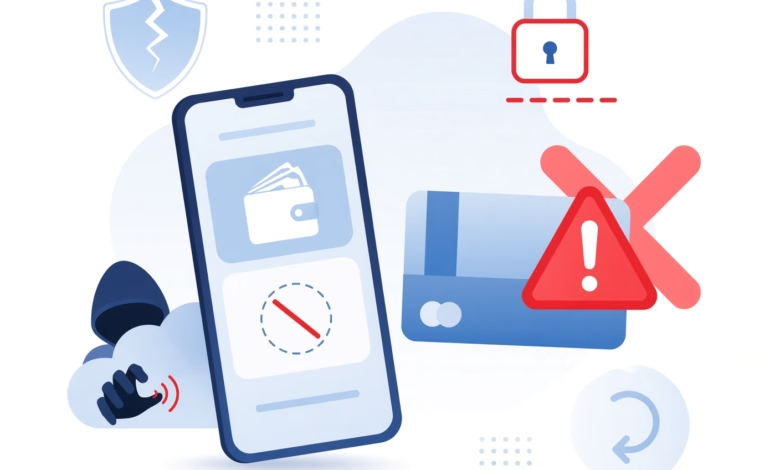
Discovering that your bank account has been compromised is a stressful experience. Financial security is fundamental to daily life, and realizing an unauthorized party has accessed your funds or personal data can trigger immediate panic. However, knowing the exact steps to take in the first few hours can significantly minimize financial damage, secure your assets, and help you recover stolen funds.
Cyber threats have evolved far beyond simple phishing emails. Today, unauthorized access can happen through various sophisticated channels, including compromised passwords, malware on personal devices, or data breaches at third-party vendors. When unauthorized transactions or suspicious activity appear on your statement, immediate action is your strongest defense. This comprehensive guide outlines the exact, actionable steps you must take to protect your finances, regain control of your accounts, and rebuild your financial security posture for the long term.
Immediate Action Steps: The First Hour After Discovery

When you first notice suspicious activity, every minute counts. Financial institutions operate under strict regulatory timelines regarding fraud reporting, and swift notification protects your legal and financial rights.
The very first step is to contact your bank immediately. Most financial institutions maintain 24/7 fraud hotlines specifically for emergency reporting. When you speak with a representative, state clearly that your account has been compromised. Ask them to freeze or temporarily suspend your debit cards, credit cards, and online banking access immediately. This halts any pending or real-time unauthorized withdrawals.
Next, change your online banking credentials. If the attacker accessed your account via your username and password, they likely tried those same credentials on other financial platforms. Update your primary password immediately, ensuring it is a strong, unique combination of letters, numbers, and symbols. If you use password reuse across multiple sites, change those immediately as well.
Finally, review all recent transactions line by line. Do not just look at your current balance; examine every pending transaction, transfer, and withdrawal made over the past thirty to sixty days. Document specific details for each unauthorized charge:
- Exact date and time of the transaction
- The merchant name or entity listed on the statement
- The exact monetary amount debited
- Any associated transaction or reference numbers provided by your bank
Having this precise information organized will streamline your fraud report and accelerate the bank’s internal investigation process.
Formalizing the Fraud Report with Your Financial Institution
Once you have secured your accounts and stopped immediate bleeding, you must formally report the incident to your bank’s fraud department. This step is critical not only for recovering your money but also for creating an official paper trail required by regulatory bodies.
When filing the formal dispute, request a fraud claim number or ticket reference. Ask the representative to outline their specific institutional timeline for investigating unauthorized transactions and issuing provisional credits. Under standard banking regulations, financial institutions are generally required to investigate reported errors and unauthorized electronic fund transfers within specified windows, often issuing temporary credits while the investigation is underway.
During this conversation, explicitly ask for the following actions:
- Closure of compromised debit and credit cards, followed by the issuance of new cards with updated numbers, expiration dates, and CVV security codes.
- Revocation of any external bank accounts or mobile payment applications (such as PayPal, Venmo, or Apple Pay) linked to your checking or savings account.
- A complete review of your contact information, security questions, and multi-factor authentication settings to ensure the scammer has not altered your recovery phone number or email address.
Keep a detailed log of every representative you speak with, including their name, employee ID number, the date, and the exact time of the call. This documentation protects you if there is any miscommunication or delay in processing your claim.
Securing Your Personal Identity and Credit Reports
Account compromise rarely stops at a single checking account. If unauthorized actors gained access to your banking portal, they likely viewed your full name, home address, date of birth, and Social Security number. Protecting your broader identity is vital to prevent secondary scams, such as fraudulent loan applications or unauthorized credit card openings in your name.
Your immediate priority is to contact the three major credit bureaus—Equifax, Experian, and TransUnion—to place a credit freeze on your profile. A credit freeze restricts access to your credit report, making it virtually impossible for identity thieves to open new lines of credit in your name, even if they have your Social Security number. Freezing and unfreezing your credit is free under federal law and can be managed easily online or over the phone.
Additionally, consider placing a fraud alert on your credit files. Unlike a freeze, a fraud alert requires potential creditors to take reasonable steps to verify your identity before extending credit, serving as an extra layer of caution.
You are also legally entitled to a free copy of your credit report from each of the major bureaus annually via official reporting channels. Review these reports carefully to identify any unfamiliar accounts, hard inquiries, or suspicious addresses associated with your identity.
Changing Passwords, PINs, and Digital Security Habits
Recovering from a breach requires a complete overhaul of your digital hygiene. Attackers often exploit weak authentication practices, making credential management your frontline barrier against future incidents.
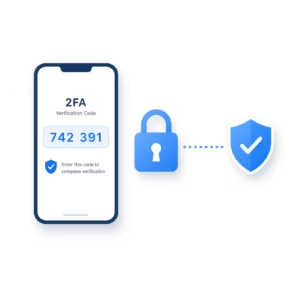
Begin by evaluating all email accounts tied to your financial institutions. If a fraudster gains access to your primary email, they can intercept password reset links, bank statements, and verification codes. Secure your email accounts first by enabling multi-factor authentication (MFA) using an authenticator application rather than SMS text messages, which can be intercepted via SIM-swapping attacks.
When creating new passwords for your financial portals, follow these best practices:
- Length over complexity: Use passphrases consisting of four or more random words, aiming for at least 16 characters.
- Absolute uniqueness: Never reuse passwords across sensitive financial accounts, email portals, or investment platforms.
- Password managers: Utilize a reputable, encrypted password manager to generate and securely store complex credentials so you do not have to memorize them.
Furthermore, update your security questions. Choose answers that cannot be easily guessed or researched via your public social media profiles. If a security question asks for your mother’s maiden name or your first pet, consider using completely randomized, unguessable text and storing the answers securely in your password manager.
Device Hygiene: Scanning for Malware and Spyware
Sometimes bank accounts are compromised not because of weak passwords, but because the personal computer, tablet, or smartphone used to access online banking has been infected with malware, keyloggers, or banking Trojans.
If you suspect your device may be compromised, take the following technical steps before logging back into any financial portal:
- Disconnect from the internet: Immediately turn off Wi-Fi or unplug your Ethernet cable to prevent malware from transmitting your data to external servers.
- Run a comprehensive antivirus scan: Use a trusted, up-to-date security program to scan your entire system for malicious software, spyware, and keyloggers.
- Update your operating system and browsers: Ensure your computer or mobile device has the latest security patches installed. Cybercriminals frequently exploit known vulnerabilities in outdated software.
- Clear browser data: Clear your browser cache, cookies, and saved login credentials to remove any residual session tokens that an attacker might hijack.
If your primary mobile phone was involved or if you received suspicious SIM-card error messages, contact your mobile carrier immediately to verify that your phone number has not been ported to a different device without your authorization.
Understanding Your Rights and Federal Consumer Protections
Navigating financial fraud can feel overwhelming, but consumers are protected by robust federal regulations that limit financial liability when accounts are compromised. Understanding these legal protections helps you advocate effectively for yourself when dealing with banking institutions.
In the United States, electronic fund transfers are governed by Regulation E (implementing the Electronic Fund Transfer Act). Under Regulation E, your liability for unauthorized electronic fund transfers depends on how quickly you report the loss:
- Timely reporting: If you report an unauthorized transfer within two business days of learning about the loss, your maximum liability is typically limited to fifty dollars.
- Delayed reporting: If you wait more than two business days after learning of the loss—but less than sixty days after your statement is sent—your potential liability can increase up to five hundred dollars.
- Severe delays: If you fail to report unauthorized transactions within sixty days of the transmittal of your periodic statement, you could face unlimited liability for subsequent losses occurring after that sixty-day window.
For credit cards, protections are even stronger under the Fair Credit Billing Act (FCBA), which limits consumer liability for unauthorized credit card use to a maximum of fifty dollars, and many major credit card issuers offer zero-liability policies for fraudulent charges reported promptly.
Knowing these timelines emphasizes why immediate reporting is not just a best practice—it is a financial necessity for securing full reimbursement.
Long-Term Strategies for Ultimate Financial Protection

Recovering from a compromised bank account is a wake-up call to fortify your overall financial architecture. Implementing proactive habits today ensures you remain resilient against future cyber threats.
First, adopt proactive account monitoring. Set up real-time transaction alerts through your banking mobile applications. Configure notifications for any transaction exceeding a specific dollar threshold, international purchases, online purchases without the physical card present, and password or contact information changes. Catching suspicious activity within minutes rather than weeks makes containment effortless.
Second, segregate your funds strategically. Avoid keeping your entire life savings in a single checking account tied to a daily debit card. Instead:
- Use a secondary checking account with a minimal balance for daily spending, online shopping, and debit card purchases.
- Keep your primary savings and emergency funds in separate accounts that do not have active debit cards attached and require intentional manual transfers to access.
Third, exercise extreme caution with communication channels. Financial institutions will never call, text, or email asking for your full account number, password, full Social Security number, or multi-factor authentication codes. If you receive an urgent message claiming to be from your bank, hang up and call the official phone number printed on the back of your debit card or statement.
Rebuilding Peace of Mind After a Financial Breach
Experiencing a security breach shatters your sense of financial privacy, but taking methodical, structured action restores control. By securing your accounts immediately, formalizing fraud reports with your bank, freezing your credit reports, disinfecting your devices, and tightening your digital hygiene, you transform a crisis into a hardened security system.
Financial security is an ongoing practice rather than a one-time setup. Stay vigilant, review your financial statements regularly, and treat your personal data with the highest level of care. With the right safeguards in place, you can navigate the digital financial landscape with confidence and resilience.