How to Avoid Losing Money to Financial Scams
Discover the warning signs of financial fraud and the practical steps you can take to avoid becoming a victim

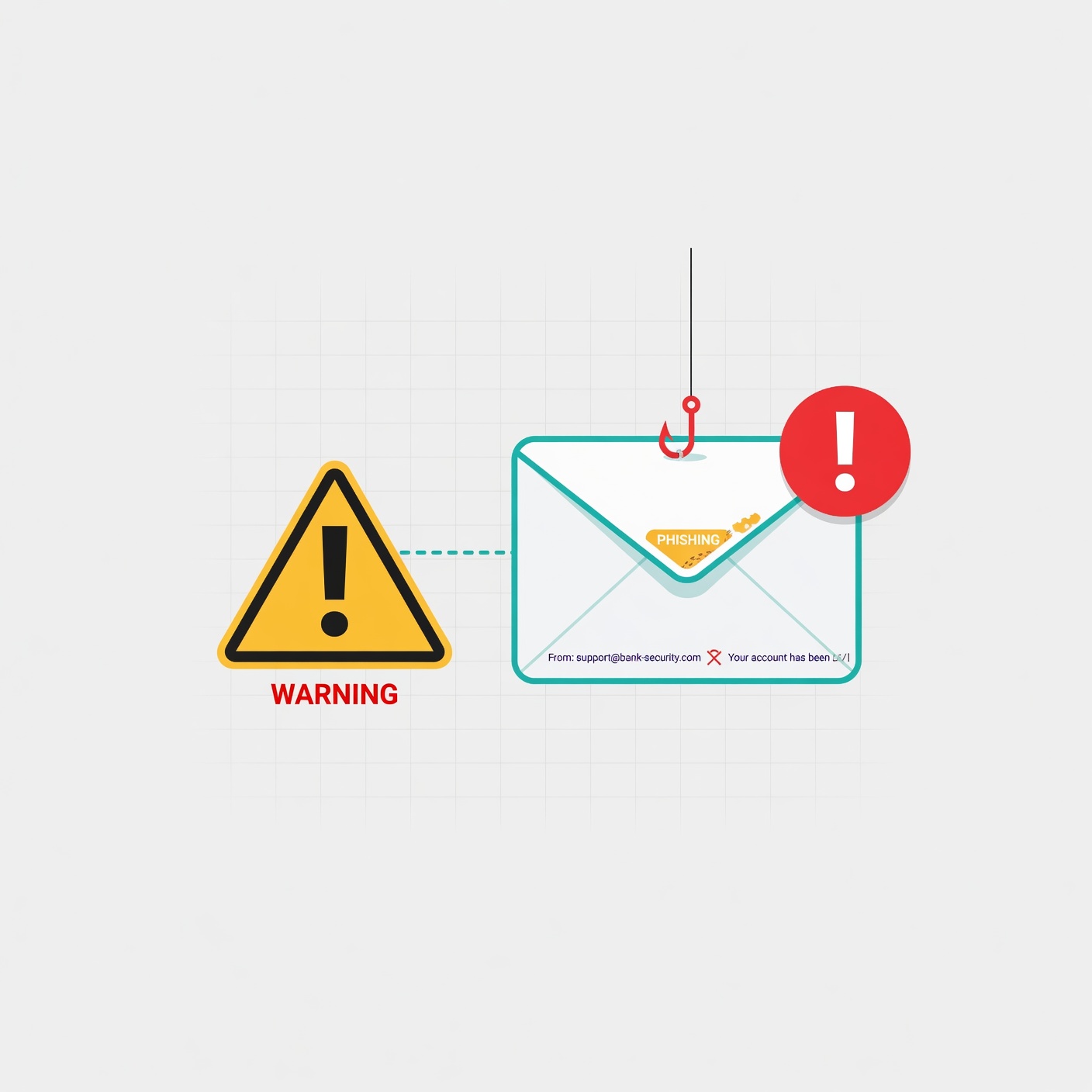
Financial security is foundational to long-term wealth building, yet digital fraud has evolved into a sophisticated, multi-billion-dollar enterprise. Modern financial scams go far beyond obvious phishing attempts or rudimentary lottery frauds; today’s perpetrators leverage artificial intelligence, deepfakes, advanced social engineering, and complex digital ecosystems to mimic legitimate financial institutions, investment platforms, and trusted acquaintances. Protecting your capital requires moving past intuitive caution and adopting a structured, proactive defense strategy grounded in cybersecurity hygiene, rigorous verification protocols, and behavioral awareness.
The Evolving Landscape of Modern Financial Fraud

The nature of financial crime has shifted dramatically over the past decade. Traditional theft relied on physical access or basic technical exploits, but contemporary fraud relies almost entirely on psychological manipulation and data aggregation. Scammers build comprehensive dossiers on targeted individuals using information harvested from social media data breaches, public registries, and corporate leaks.
This accumulated data allows fraudsters to orchestrate highly personalized attacks—often referred to as spear-phishing or CEO fraud—where communications carry precise contextual details that disarm the victim’s skepticism. Understanding that financial fraud is an enterprise business model helps reframe how individuals approach security: you are not merely protecting your account passwords; you are defending your decision-making process against professional manipulators who understand cognitive biases, urgency triggers, and fear inducement.
Recognizing the Psychological Triggers of Social Engineering
At the core of almost every financial scam lies social engineering—the art of manipulating individuals into performing actions or divulging confidential information. Fraudsters rarely break through technical encryption directly; instead, they trick the user into lowering their own defenses. Recognizing these psychological pressure points is the most effective shield available.
Manufactured Urgency and Scarcity
Scammers frequently create artificial time constraints. Messages demand immediate action—claiming that an account will be closed, a fraudulent transaction is occurring right now, or a high-yield investment opportunity is closing within the hour. This sense of emergency is designed to bypass rational, analytical thought and trigger an impulsive emotional response. Legitimate financial institutions, regulatory bodies, and law enforcement agencies will always grant you the time necessary to independently verify a claim.
Authority and Intimidation
Fraudsters frequently impersonate figures of high authority, such as tax authorities, bank security executives, or law enforcement officers. They may use aggressive language, threat of legal prosecution, or asset freezing to induce panic. True financial authorities follow strict procedural channels; they do not threaten immediate arrest via text message, demand payment via cryptocurrency ATMs, or pressure you to move funds to a “safe account” over an unverified phone call.
Familiarity and Manufactured Rapport
Sophisticated fraudsters often spend weeks or months cultivating a relationship with a target, particularly in romance scams or long-con investment schemes (sometimes known as “pig butchering”). They establish trust, share fabricated personal struggles, and gradually introduce financial concepts once emotional investment is secure. Maintaining healthy skepticism toward any online acquaintance who introduces financial topics or investment tips is vital for asset preservation.
Protecting Personal and Financial Data Hygiene
Data is the currency of modern fraud. When bad actors acquire your personally identifiable information (PII), they gain the ability to impersonate you across financial institutions. Establishing rigorous digital hygiene closes the entry vectors that lead to account takeovers and identity theft.
Authentication Infrastructure and Credential Management
Password reuse is among the leading causes of unauthorized account access. Utilizing a reputable, zero-knowledge password manager allows you to generate and store complex, unique cryptographic passwords for every online service you utilize. Furthermore, multi-factor authentication (MFA) must be enabled across every account that handles financial data, email, or sensitive personal information. Whenever possible, prioritize hardware security keys or authenticator apps over SMS-based verification codes, which remain vulnerable to SIM-swapping attacks.
Digital Footprint Minimization
Reducing the amount of personal information available publicly diminishes the raw material available to social engineers. Regularly audit privacy settings on social networking platforms, limit the sharing of milestones that reveal security question answers (such as pet names, hometowns, or birthdates), and periodically review active login sessions across your digital accounts to terminate unauthorized device access immediately.
Identifying and Defending Against Investment Fraud
Investment scams target individuals seeking to grow their wealth, exploiting aspirations for financial independence or retirement security. These schemes often promise outsized, risk-free returns that defy macroeconomic realities.
The Anatomy of Ponzi and High-Yield Investment Schemes (HYIPs)
Illegal investment schemes frequently market guaranteed returns of 10%, 20%, or more per month, masking their underlying mechanics with complex jargon involving algorithmic trading, foreign exchange arbitrage, or emerging cryptocurrencies. The golden rule of investing remains absolute: higher return inherently correlates with higher risk. If an investment opportunity promises substantial gains with zero downside exposure, it is invariably fraudulent.
Red Flags in Brokerage and Platform Selection
Before depositing capital into any online trading platform, brokerage, or digital asset exchange, investors must verify regulatory compliance. Legitimate financial intermediaries are registered with recognized financial regulatory bodies, maintain transparent corporate governance, and provide clear disclosures regarding fee structures and custodial arrangements. Always independently verify regulatory registration numbers through official government registries rather than relying on links provided directly by the platform in question.
Secure Banking and Payment Practices

Daily financial transactions represent primary interaction points with potential fraud vectors. Implementing strict protocols for managing bank accounts, credit cards, and digital money transfers prevents unauthorized capital extraction.
Credit Monitoring and Account Auditing
Routine monitoring of bank statements and credit reports is a non-negotiable component of financial security. Set up instant transaction alerts for all debit and credit card activity above nominal thresholds. Regularly check your credit reports with major credit bureaus to detect unauthorized credit inquiries or newly opened accounts established in your name.
Safe Wire Transfers and Digital Payments
When executing wire transfers or utilizing peer-to-peer payment applications, verify recipient details through an independent, trusted channel. If you receive an unexpected email or message from a contractor, vendor, or family member stating that their bank routing numbers have changed, never update the payment destination without making a direct voice call to a known, pre-established phone number to confirm the modification.
Responding and Recovering When Targeted by Fraud
Even with robust preventative measures, individuals may occasionally encounter sophisticated attacks. Knowing how to respond swiftly minimizes financial loss and limits long-term vulnerability.
Immediate Containment Steps
If you suspect that an account has been compromised or that you have authorized a fraudulent transaction, speed is paramount:
- Contact Financial Institutions: Immediately notify your bank, credit card issuer, or brokerage to freeze compromised accounts, reverse pending transactions where possible, and issue new credentials.
- Secure Uncompromised Devices: Change your primary email passwords from a clean, verified device and revoke access permissions for unknown third-party applications.
- Preserve Evidence: Save all communication logs, transaction hashes, email headers, screenshots, and chat transcripts associated with the fraudulent incident.
Reporting and Institutional Support
File formal incident reports with relevant consumer protection agencies and cybercrime authorities. While recovering lost funds from sophisticated international scams can be exceptionally challenging, official documentation is often required for tax write-offs, insurance claims, and institutional fraud investigations.
Cultivating a Long-Term Defensive Mindset
Financial security is not a one-time setup task; it is an ongoing operational discipline. By maintaining a posture of healthy skepticism, verifying through independent channels, and refusing to act under emotional duress, you construct a resilient barrier around your assets. True financial well-being depends as much on defending the capital you have already accumulated as it does on generating new wealth through strategic allocation and prudent investment decisions.