Financial Security
What Is Identity Theft and How Can You Prevent It?
Learn what identity theft is, how it happens, and how to protect your personal and financial information
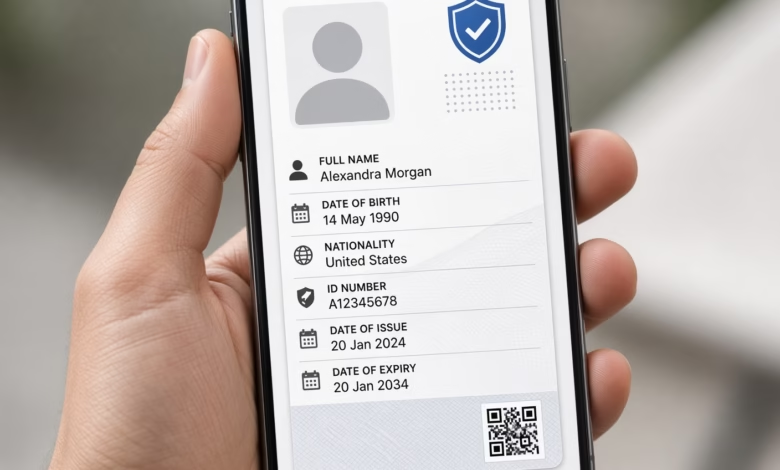
Identity theft has evolved from a simple crime of opportunity into a sophisticated, highly organized digital enterprise. In an era where our personal data is constantly transmitted, stored, and shared across countless online platforms, understanding the mechanics of identity theft is no longer optional—it is a critical component of personal financial security. Whether you are managing a household, building a business, or simply trying to navigate the modern digital economy, knowing how criminals compromise personal information and how to intercept them can mean the difference between financial stability and a multi-year recovery process.
Understanding Identity Theft: The Anatomy of Modern Digital Fraud

Identity theft occurs when an unauthorized party acquires your personally identifiable information (PII) to impersonate you for financial gain, medical access, or criminal evasion. Unlike physical theft, where a stolen wallet leaves an immediate void, digital identity theft is often silent and invisible. Victims may go months or even years without realizing their data has been compromised, discovering the breach only when applying for a mortgage, reviewing a credit report, or receiving a notice from a collection agency for an account they never opened.
The scope of PII sought by bad actors extends far beyond a social security number or a credit card digit. Modern identity thieves target full identity profiles—combining names, dates of birth, home addresses, phone numbers, mother’s maiden names, and biometric markers. Armed with this comprehensive mosaic of data, criminals can bypass standard verification protocols across banking, healthcare, employment, and government services.
To combat this effectively, it helps to understand the primary vectors through which your identity can be compromised:
-
Data Breaches: Massive corporate and institutional security failures expose millions of records containing passwords, financial details, and personal identifiers to the dark web.
-
Phishing and Social Engineering: Highly targeted digital deception via emails, SMS messages, or phone calls designed to trick individuals into voluntarily disclosing sensitive credentials.
-
Malware and Spyware: Malicious software installed on personal devices that logs keystrokes, captures screenshots, and extracts stored autofill data.
-
Credential Stuffing: Automated cyberattacks that test stolen username and password combinations across multiple websites, exploiting the common human habit of reusing passwords.
-
Physical Theft and Dumpster Diving: Traditional methods involving stolen mail, discarded bank statements, or lost wallets containing physical cards and identification documents.
The True Cost of Identity Theft: Beyond Financial Loss
When people think of identity theft, they usually visualize unauthorized charges on a credit card statement. While financial loss is the most immediate symptom, the cascading consequences of a compromised identity penetrate deeply into emotional well-being, professional life, and future planning.
When a criminal opens fraudulent lines of credit in your name, maxes them out, and defaults, your credit score plummets. A damaged credit score alters your immediate financial reality. It results in higher interest rates on auto loans, denials for housing rentals, rejections for credit cards, and inflated insurance premiums. In severe cases, employers run background checks that include credit histories, meaning a compromised identity can actively jeopardize career opportunities and job security.
Beyond financial and professional repercussions, there are specialized forms of identity theft that carry unique dangers:
Medical Identity Theft
This occurs when a criminal uses your name and insurance information to obtain medical care, prescription drugs, or surgical procedures. Not only does this leave you with thousands of dollars in medical debt, but it also corrupts your official medical records. Incompatible blood types, allergies, and diagnoses belonging to the criminal can be permanently merged into your health history, creating life-threatening hazards during future medical treatments.
Tax Identity Theft
Thieves use stolen social security numbers to file fraudulent tax returns early in the filing season, intercepting your government tax refunds. When you eventually file your legitimate return, the system rejects it as a duplicate filing, launching a bureaucratic nightmare with the tax authorities that can take upwards of a year to resolve.
Criminal Identity Theft
In rare but devastating instances, an individual arrested for a crime provides law enforcement with a stolen name and date of birth. Warrants, court dates, and criminal records are subsequently filed under the victim’s name, leading to terrifying encounters where innocent individuals are pulled over or arrested for crimes they never committed.
Advanced Digital Hygiene: Fortifying Your Personal Cybersecurity Foundation
Preventing identity theft requires shifting your mindset from reactive cleanup to proactive defense. The majority of digital compromises stem from preventable vulnerabilities in everyday online behavior. Implementing a rigorous digital hygiene routine significantly reduces your attack surface and makes you an unprofitable target for cybercriminals.
Master-Level Password Management and Multi-Factor Authentication
Password reuse is the single largest vulnerability exploited by hackers. If you use the same password across your email, banking, and utility accounts, a breach at a minor retail site instantly compromises your entire digital life.
-
Adopt a Dedicated Password Manager: Utilize reputable, zero-knowledge encrypted password managers (such as 1Password or Bitwarden) to generate and store complex, unique passwords for every service you use. You should never know your own passwords; your manager should auto-fill them securely.
-
Mandate Multi-Factor Authentication (MFA): Enable MFA on every account that offers it. Prioritize application-based authenticators (like Google Authenticator or Authy) or hardware security keys (such as YubiKey) over SMS-based text message verification, which is increasingly vulnerable to SIM-swapping attacks.
Securing Your Network and Device Ecosystem
Your devices are the gateways to your personal data. Leaving them unprotected is equivalent to leaving your front door wide open in a major city.
-
Keep Software Updated: Operating system updates, browser patches, and application upgrades frequently patch critical security flaws actively being exploited by hackers. Enable automatic updates across all personal computers, tablets, and smartphones.
-
Deploy Encrypted Browsing and VPNs: When accessing sensitive financial portals over public Wi-Fi networks (such as those in coffee shops, airports, or hotels), utilize a trusted Virtual Private Network (VPN) to encrypt your internet traffic and prevent man-in-the-middle data interception.
-
Purge Inactive Accounts: Digital clutter is a liability. Close old online shopping accounts, dormant social media profiles, and unused financial apps that continue to store your PII on external servers.
Proactive Credit Monitoring and Financial Surveillance
Waiting until you receive a fraudulent bill or notice to check your financial standing is a losing strategy. Continuous monitoring allows you to catch unauthorized activity in its infancy, limiting the damage before it can compound.
Harnessing Credit Freezes and Fraud Alerts
The single most effective legal mechanism to stop identity thieves from opening new accounts in your name is a credit freeze (also known as a security freeze).
-
How a Credit Freeze Works: Freezing your credit restricts access to your credit reports, making it nearly impossible for lenders to approve new lines of credit in your name—even if a thief possesses your complete social security number and date of birth. When you legitimately need to apply for a loan or credit card, you can temporarily lift or thaw the freeze within minutes using an online portal or phone line provided by the major credit bureaus.
-
Fraud Alerts vs. Freezes: A fraud alert requires creditors to take reasonable steps to verify your identity before opening a new account, but it does not block access as definitively as a full credit freeze. Freezes are universally recommended as the gold standard for long-term personal protection.
Routine Auditing of Financial Statements and Credit Reports
Building a habit of rigorous financial surveillance ensures that anomalies are flagged immediately.
-
Leverage Free Annual Reports: Federal legislation entitles consumers to free annual credit reports from the three major national credit bureaus—Equifax, Experian, and TransUnion. Staggering these requests across the year (e.g., ordering one every four months) allows you to monitor your credit profile continuously without cost.
-
Scrutinize Bank and Statement Line Items: Review every transaction on your checking accounts, savings accounts, and credit cards monthly. Cybercriminals often test stolen credit cards with micro-charges (such as $1.00 or $2.50 donations or streaming subscriptions) to see if the card is active before executing major fraudulent purchases. Never ignore small, unfamiliar charges.
Recognizing and Resisting Social Engineering Tactics
Technology alone cannot protect you if human psychology is manipulated. Cybercriminals frequently bypass advanced encryption and firewalls simply by tricking individuals into handing over the keys themselves. Understanding social engineering—the art of psychological manipulation—is paramount to safeguarding your identity.
Dissecting Phishing, Smishing, and Vishing
Social engineering attacks arrive across multiple digital channels:
-
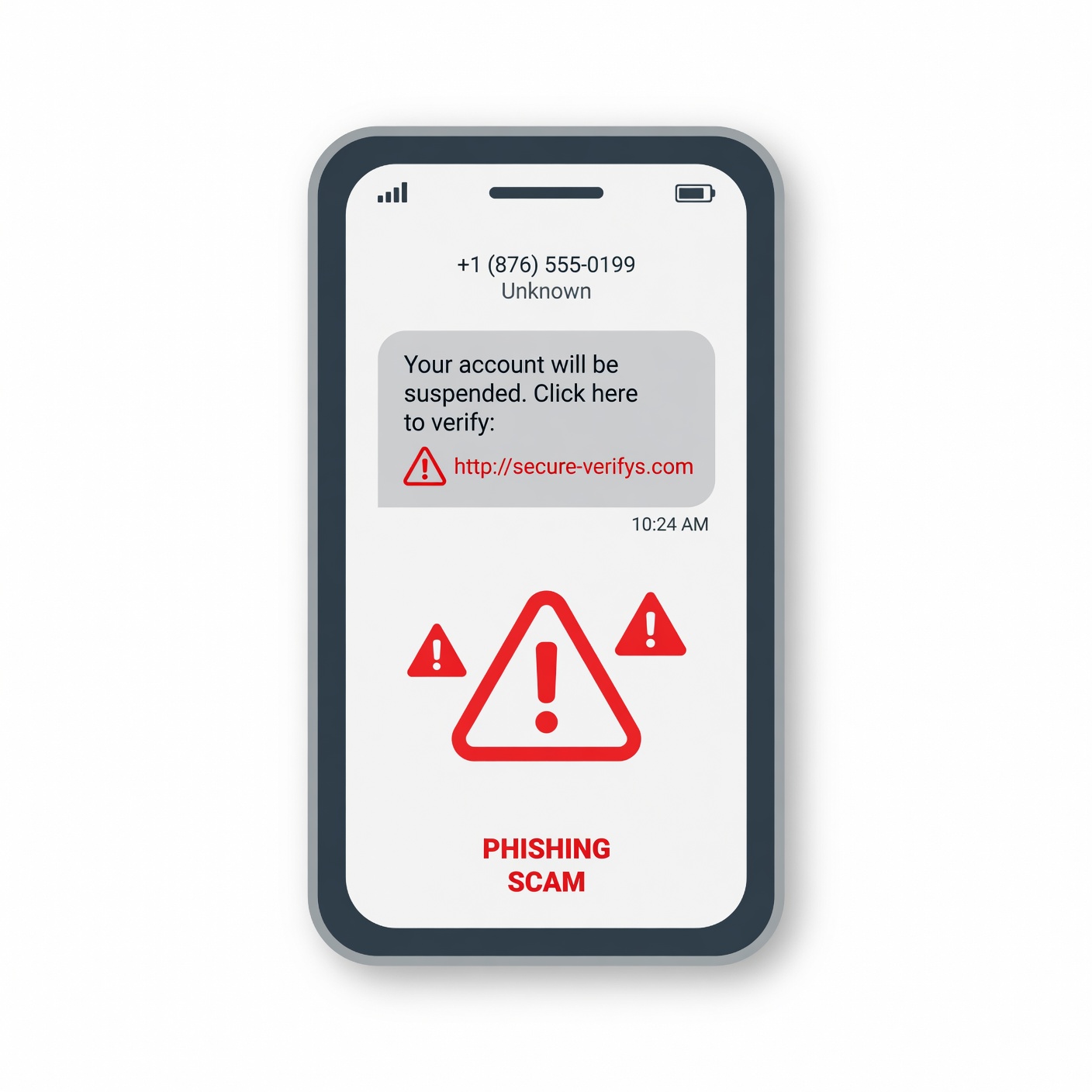
Phishing (Email): Fraudulent emails designed to impersonate trusted institutions—banks, utility companies, tax agencies, or streaming services. They often manufacture a false sense of urgency (e.g., “Your account will be suspended unless you verify your credentials immediately”) containing malicious links or attachments.
-
Smishing (SMS/Text Messages): Text-based scams notifying you of a delayed package delivery, a failed bank transfer, or a security alert, prompting you to click a shortened URL.
-
Vishing (Voice Calls): Automated or live phone calls from individuals posing as fraud investigators, government officials, or technical support representatives demanding immediate payment or personal information.
Defensive Protocols Against Manipulation
Protecting yourself against social engineering relies on establishing strict behavioral boundaries:
-
Never Click Direct Links in Communications: If you receive an alarming notification regarding an account, do not click the embedded link. Instead, open a new browser tab, navigate directly to the official website by typing the known URL, and log in securely to check your account status.
-
Verify Caller Identities Independently: If someone calls claiming to represent your bank or a government agency, hang up immediately. Locate the official customer service number on the back of your debit card or from the official institutional website, and call back directly to verify the legitimacy of the request.
-
Practice Healthy Skepticism with Personal Data: Be extremely protective of your personal information online. Avoid oversharing details on social media platforms—such as your birthdate, mother’s maiden name, pet names, hometown, or vacation itineraries—that bad actors can leverage to answer security questions or craft hyper-personalized phishing campaigns.
Physical Security and Offline Vulnerabilities
While digital threats dominate modern headlines, physical security lapses remain a prominent entry point for identity thieves. Combining physical caution with digital vigilance ensures total protection across all aspects of your life.
Safeguarding Physical Mail and Documents
Your mailbox is a treasure trove of identity data, containing pre-approved credit card offers, bank statements, tax documents, and utility bills.
-
Upgrade to a Locking Mailbox: If you live in a detached home or a neighborhood prone to mail theft, install a secure, locking mailbox to prevent thieves from stealing incoming or outgoing mail.
-
Utilize Informed Delivery Services: Sign up for postal tracking services offered by national postal networks that provide digital grayscale images of your incoming mail daily, allowing you to notice immediately if expected mail is missing.
-
Shred Sensitive Documents: Never discard un-shredded documents containing financial information, account numbers, social security numbers, or signatures. Invest in a cross-cut shredder for home use, or utilize community shredding events for bulk paper purges.
Managing Physical Wallets and Identification Cards
The loss of a physical wallet exposes you to immediate, high-risk identity theft.
-
Minimize Carried Identification: Do not carry your social security card, birth certificate, or passport in your wallet or purse on a daily basis. Store these vital documents in a secure home safe or bank safety deposit box.
-
Digitize and Photocopy Contents: Keep a secure digital inventory or physical photocopy of the contents of your wallet (front and back of credit cards, driver’s license, insurance cards) stored securely at home, noting the emergency customer service contact numbers for each financial institution in the event your wallet is lost or stolen.
Creating an Emergency Incident Response Plan
Even with meticulous preventive measures in place, no system is entirely impenetrable. If the worst happens and your identity is compromised, panicking wastes precious time. Having a pre-established, step-by-step incident response plan ensures you can act swiftly and decisively to contain the breach and minimize damage.
Immediate Containment Steps
If you detect suspicious activity, unauthorized credit inquiries, or fraudulent account openings, execute these containment protocols immediately:
-
Place Fraud Alerts and Freezes: Contact one of the three major credit bureaus (Equifax, Experian, or TransUnion) to place an extended fraud alert or security freeze on your credit reports. By law, the bureau you contact is required to notify the other two.
-
Contact Affected Financial Institutions: Call the fraud departments of the specific banks, credit card companies, or utility providers where unauthorized accounts were opened or compromised. Request that the fraudulent accounts be immediately closed, frozen, and flagged as identity theft.
-
Change All Access Credentials: Immediately update the passwords and security questions for your email accounts, financial portals, and password managers from an uncompromised, secure device. Ensure multi-factor authentication is rigorously enforced across all modified accounts.
-
File an Official Report: File a detailed identity theft report with local law enforcement to create an official paper trail. Additionally, file a formal complaint with the federal trade commission or relevant national consumer protection agency, securing an official Identity Theft Report which will be required when dealing with creditors and credit bureaus.
Long-Term Recovery and Credit Restoration
Reclaiming a compromised identity is an exercise in administrative endurance.
-
Dispute Fraudulent Entries: Submit written dispute letters along with your official Identity Theft Report to the credit bureaus to have fraudulent inquiries, collection accounts, and negative marks permanently removed from your credit history.
-
Monitor Continuously: Maintain active credit monitoring services and keep your credit freezes in place for an extended period following an incident. Review your financial statements with heightened scrutiny as you rebuild your financial baseline.
Cultivating a Culture of Lifelong Financial Security
Protecting your identity is not a one-time administrative task; it is an ongoing practice of mindful awareness and disciplined digital hygiene. As technology continues to evolve and cybercriminals develop increasingly sophisticated methods of exploitation, your defense mechanisms must adapt in tandem. By implementing robust password management, enforcing continuous credit monitoring, recognizing social engineering traps, and securing both your physical and digital environments, you construct an impenetrable fortress around your personal and financial well-being. Prioritizing your identity security today ensures financial peace of mind, stability, and security for the future.