Financial Security
How to Protect Your Bank Accounts From Online Scams
Learn how to protect your bank accounts from online scams, phishing attacks, and unauthorized access
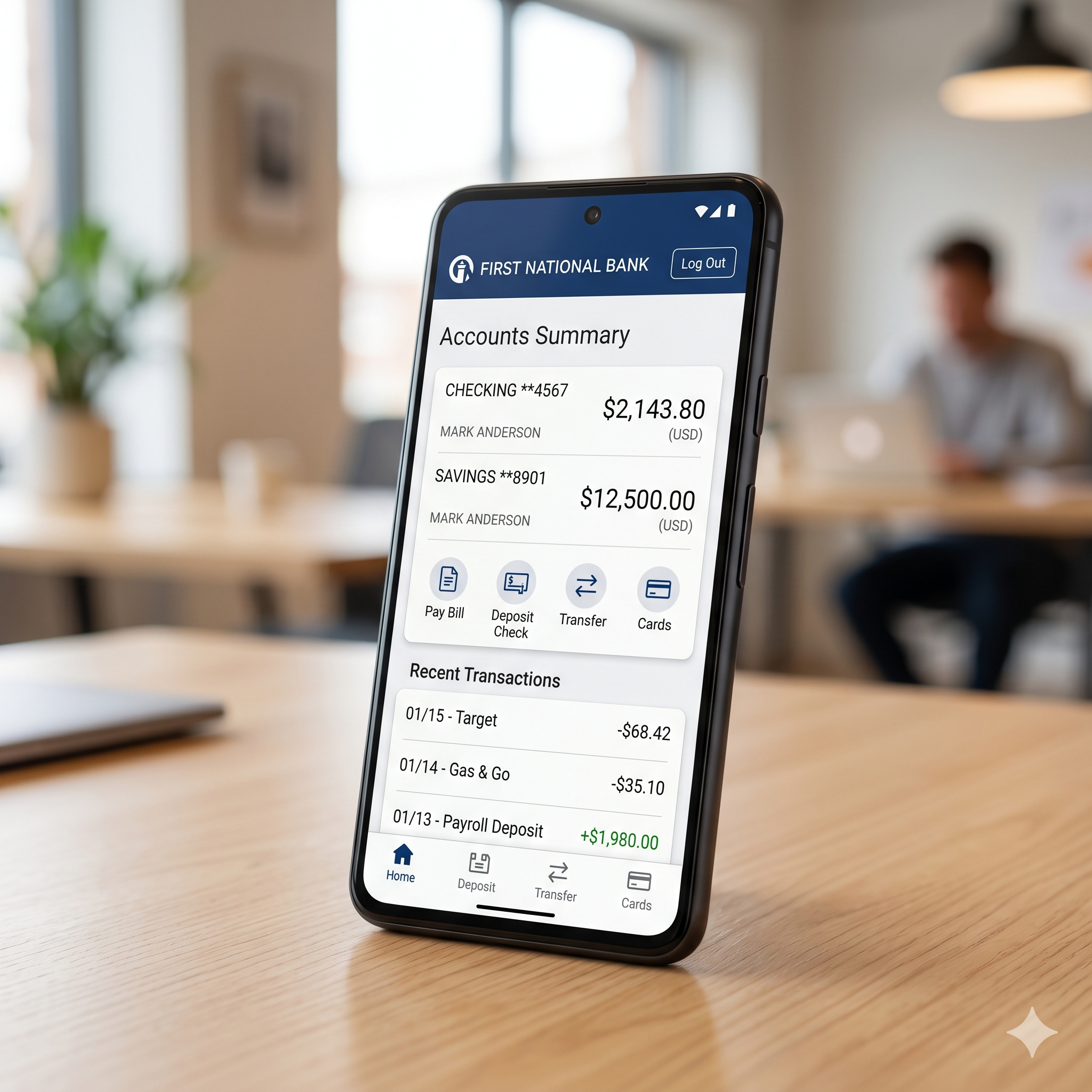
In the modern digital era, managing your finances online offers unprecedented convenience. You can pay bills, transfer funds, and monitor your investments within seconds from the palm of your hand. However, this shift toward digital-first banking has also attracted sophisticated cybercriminals. Online scams and financial fraud have evolved far beyond simple phishing emails, incorporating advanced social engineering, artificial intelligence, and automated data-harvesting tools.
Safeguarding your hard-earned money requires a proactive, multi-layered defense strategy. Understanding how modern fraudsters operate and implementing robust security habits will ensure your assets remain safe from unauthorized access. This comprehensive guide explores advanced techniques, essential protocols, and daily habits required to fortify your bank accounts against online threats.
Understanding the Anatomy of Modern Digital Banking Scams
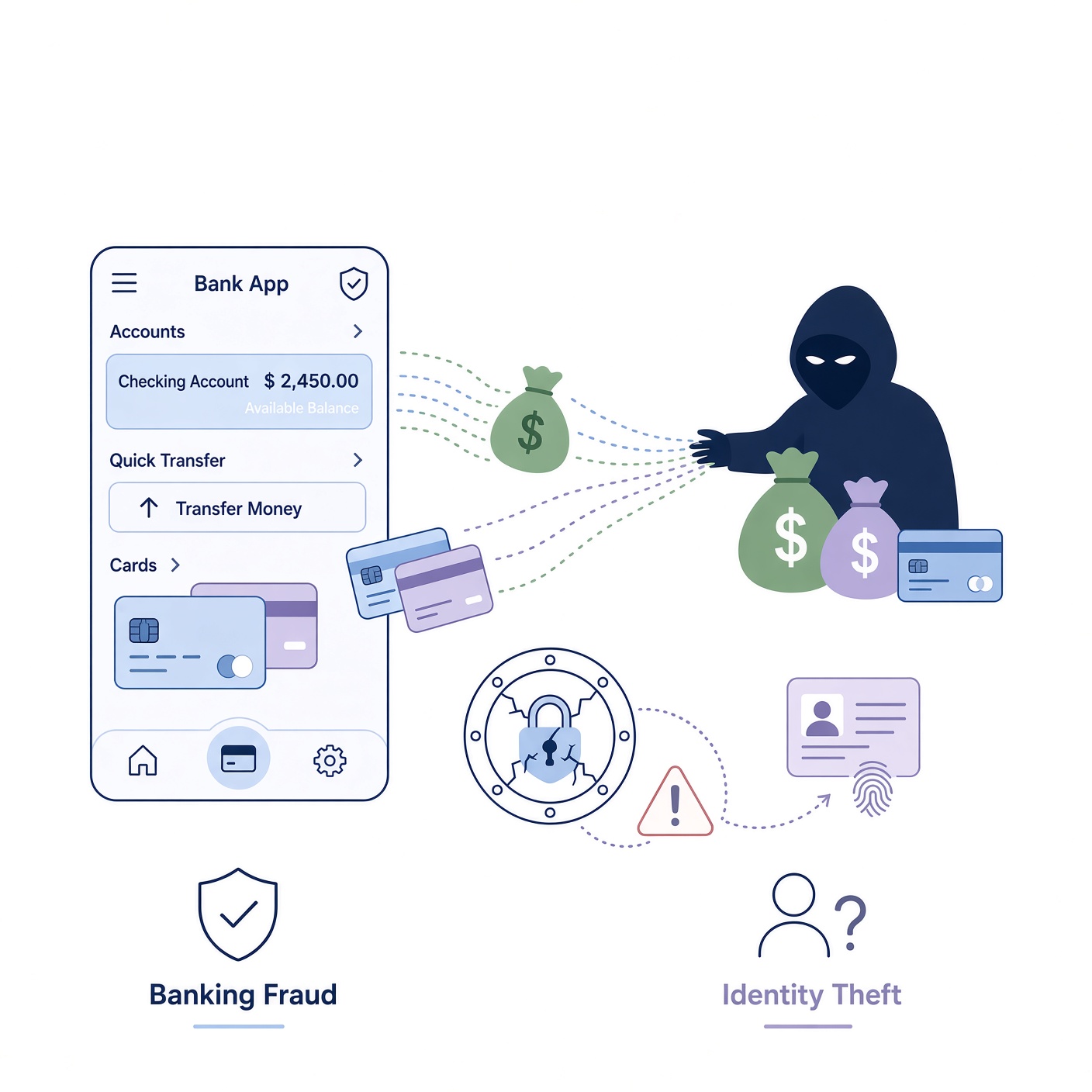
Before building a defense, it is crucial to understand what you are defending against. Cybercriminals rarely hack directly into massive banking mainframes; instead, they target the weakest link in the security chain: the individual account holder. Modern scams often rely on psychological manipulation rather than brute-force technical attacks.
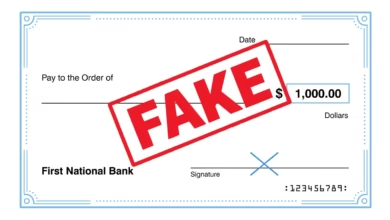
Phishing, smishing (SMS phishing), and vishing (voice phishing) have become remarkably convincing. Fraudsters frequently use spoofed phone numbers and email addresses that look identical to official communications from your financial institution. They often manufacture a false sense of urgency—claiming your account has been compromised or a fraudulent transaction has occurred—to trick you into revealing sensitive credentials, PINs, or One-Time Passwords (OTPs).
Recognizing these psychological tactics is your first line of defense. Legitimate financial institutions will never contact you out of the blue demanding your full password, PIN, or OTP. Maintaining healthy skepticism toward unexpected communications prevents cybercriminals from executing their primary weapon: human error.
Implementing Cryptographic Strength Passwords and Credential Management
Your login credentials act as the front door to your financial life. Reusing passwords across multiple websites is one of the most dangerous habits an account holder can practice. If a minor retail site you use suffers a data breach, cybercriminals will routinely take those stolen credentials and test them against major banks and financial portals through automated credential-stuffing attacks.
To neutralize this threat, every financial account must have a unique, highly complex password. A strong password should be at least sixteen characters long, combining uppercase and lowercase letters, numbers, and special symbols, completely devoid of predictable patterns like birthdays, pet names, or sequential digits.
Because memorizing dozens of complex, unique passwords is virtually impossible, utilizing a reputable, encrypted password manager is essential. These tools generate and store complex strings securely, allowing you to maintain absolute isolation between your credentials across different platforms. Furthermore, changing your financial passwords periodically—roughly every 90 days—adds an extra layer of structural protection.
Maximizing Security With Advanced Multi-Factor Authentication Protocols
Passwords alone are no longer enough to guarantee account safety. Even the strongest password can be intercepted through advanced keylogging malware or sophisticated phishing portals. This is why enabling Multi-Factor Authentication (MFA) or Two-Factor Authentication (2FA) is non-negotiable for every financial account.
MFA requires you to provide two or more verification factors to gain access to your account. These factors typically fall into three distinct categories:
-
Something you know: Your password or personal identification number.
-
Something you have: Your physical smartphone receiving an authenticator app token or text code.
-
Something you are: Biometric verification, such as facial recognition or fingerprint scanning.
When configuring MFA, prioritize hardware security keys or app-based authenticators (like TOTP apps) over standard SMS text messages whenever possible. SMS-based codes, while better than no second factor at all, can occasionally be intercepted through SIM-swapping attacks. Implementing robust biometric locks on your mobile banking applications ensures that even if your physical device is unlocked, unauthorized users cannot access your funds.
Securing Your Digital Perimeter Against Network Interception
The physical device and network connection you use to access your bank accounts play a massive role in your overall financial security. Many users underestimate the vulnerability of public internet connections, checking balances or moving funds while connected to open Wi-Fi networks at coffee shops, airports, hotels, or public transit hubs.
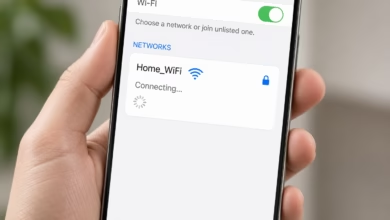
Open public routers lack proper encryption, allowing malicious actors on the same network to intercept unencrypted data packets via man-in-the-middle attacks. If you must review your finances while away from home, strictly rely on your cellular provider’s encrypted mobile data network. Alternatively, if public Wi-Fi is unavoidable, routing your traffic through a trusted Virtual Private Network (VPN) encrypts your data end-to-end, shielding your session from local eavesdroppers.
Beyond network security, maintaining the software integrity of your personal computers and mobile phones is vital. Operating systems, web browsers, and security applications frequently release patches for newly discovered zero-day vulnerabilities. Enable automatic updates across all your devices to ensure cybercriminals cannot exploit outdated software flaws to infiltrate your digital ecosystem.
Establishing Continuous Account Monitoring and Real-Time Alert Systems
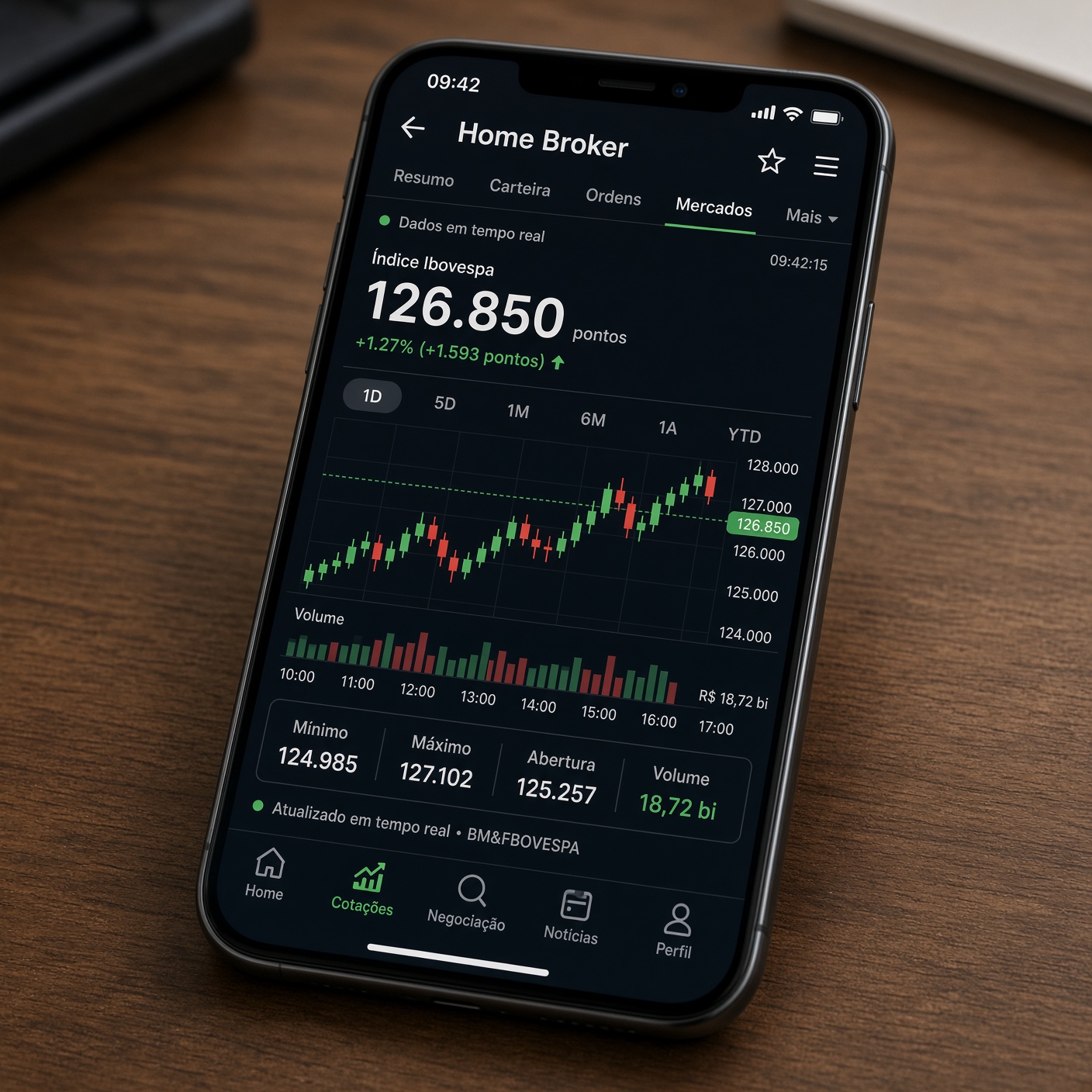
Early detection is often the defining factor between recovering stolen funds and sustaining permanent financial loss. Waiting for a monthly paper statement or manually checking your accounts once every few weeks leaves a massive window of opportunity for fraudsters to drain your balances undetected.
Modern financial institutions offer sophisticated, real-time alert systems that should be fully configured immediately upon opening an account. Set up instant push notifications, text messages, or email alerts for every significant activity, including:
-
Outgoing wire transfers and peer-to-peer payments.
-
Large point-of-sale purchases or ATM withdrawals.
-
Password changes or login attempts from unrecognized devices.
-
Low balance thresholds and overdraft activations.
By reviewing your transaction histories weekly and keeping a close eye on instantaneous alerts, you can spot microscopic unauthorized charges—often used by scammers to test active account numbers before executing large-scale thefts—and freeze your accounts within seconds.
Navigating Safe Browsing and Avoiding Advanced Social Engineering Traps
The digital landscape is populated with lookalike websites engineered to deceive even attentive users. Cybercriminals utilize typo-squatting—registering domain names that closely mimic popular banks with subtle spelling errors—along with malicious search engine advertisements designed to push fake banking portals to the top of search results.
Never click on direct links inside emails or text messages to access your online banking dashboard. Instead, establish the habit of typing your bank’s official web address directly into your browser or utilizing a secure, pre-saved bookmark. Always verify that the web address bar displays the secure protocol (
https://) accompanied by a valid SSL padlock symbol before entering any personal data.Furthermore, remain exceptionally cautious regarding unsolicited phone calls or screen-sharing requests. No legitimate customer service agent or bank representative will ever ask you to download remote-access software or share your live device screen while logged into your financial applications. If you receive an unsettling call regarding your account, hang up immediately, locate the official customer service hotline printed on the back of your debit card, and place an independent call to verify the situation.
Creating an Emergency Response Plan for Suspected Compromises
Despite maintaining rigorous personal security habits, sophisticated cyber attacks can still occasionally breach initial defenses. Having a pre-planned emergency response protocol minimizes potential damage and accelerates asset recovery.
If you suspect your credentials have been compromised or notice unfamiliar transactions, execute the following steps immediately:
-
Freeze or Lock Your Cards: Utilize your mobile banking app to instantly freeze debit and credit cards to halt further unauthorized transactions.
-
Contact Your Financial Institution: Report the incident to your bank’s fraud department immediately. Prompt notification maximizes your protection under consumer banking liability laws.
-
Change All Access Credentials: Update your primary online banking passwords and security questions from a clean, secure device.
-
Notify Credit Bureaus: Consider placing a temporary security freeze or fraud alert on your credit reports to prevent scammers from opening new lines of credit in your name.
Financial security is not a single milestone to achieve, but an ongoing commitment to mindful habits and technological awareness. By integrating these advanced protective measures into your daily routine, you can navigate the digital financial world with confidence, ensuring your wealth remains secure against emerging online threats.