Financial Security
What to Do If Someone Gains Access to Your Bank Account
Discover the steps to take after unauthorized access to your bank account and how to secure your finances
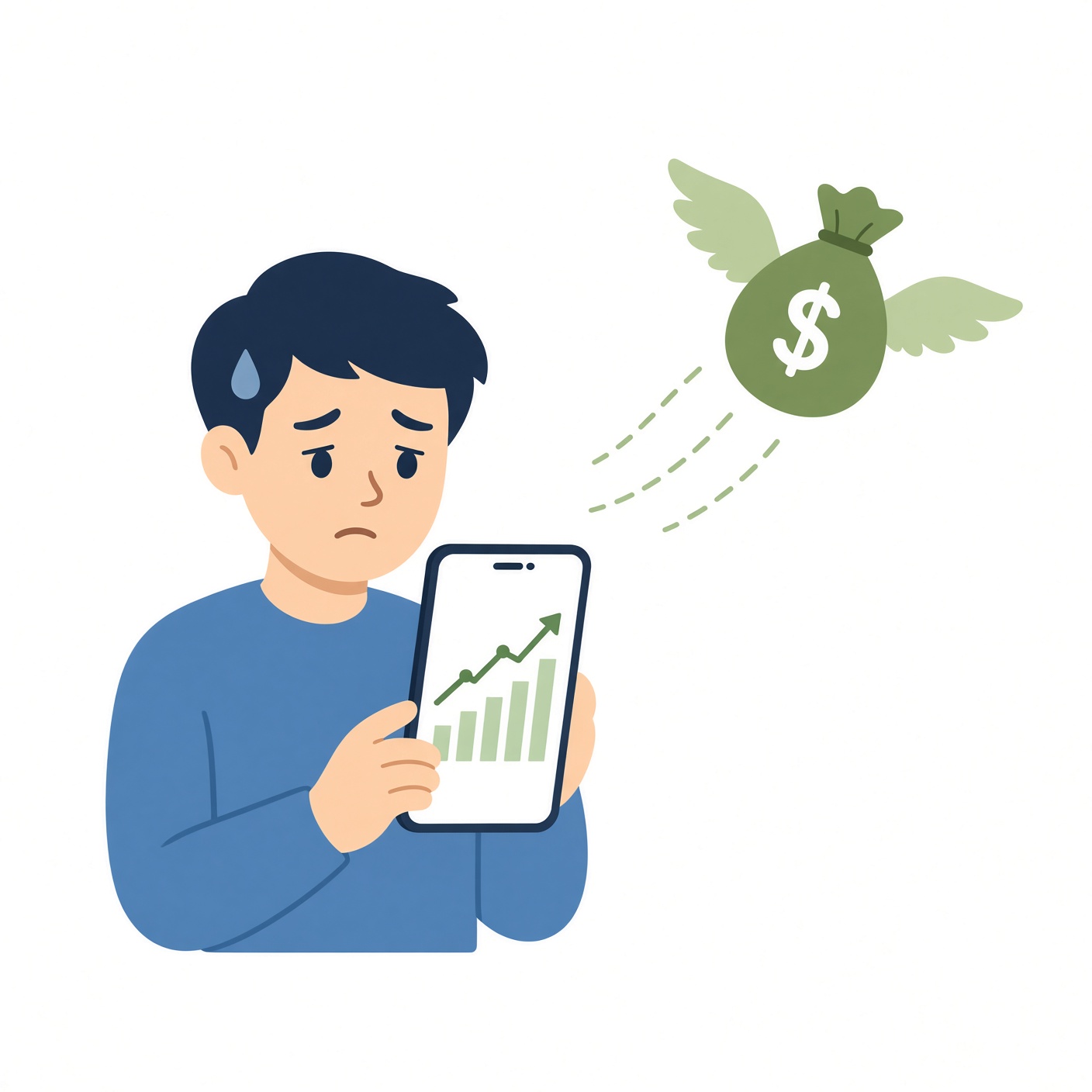
Discovering that an unauthorized party has gained access to your bank account is a terrifying experience. In a matter of seconds, years of hard work, savings, and financial stability can feel compromised. However, panic is your worst enemy in this scenario. The speed and precision of your response dictate whether you can recover your stolen funds or minimize the long-term damage to your financial health.
Cybercriminals and financial fraudsters have evolved significantly, moving far beyond simple phishing emails to sophisticated account takeovers (ATOs), SIM-swapping, credential stuffing, and malware-driven banking trojans. Protecting yourself requires an immediate, methodical, and comprehensive crisis-management strategy.
Immediate Emergency Actions to Secure Your Compromised Bank Account
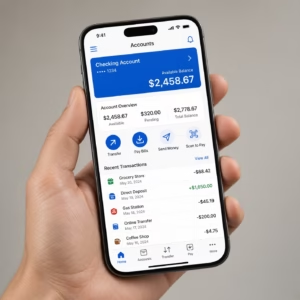
The first few minutes after discovering a security breach are critical. Every second you delay gives malicious actors more time to drain accounts, open fraudulent lines of credit, or export your personal identifying information (PII).
Revoke Digital Access Instantly
Your primary objective is to lock the intruder out of your digital ecosystem.
-
Log Out All Active Sessions: Most modern banking apps and portals allow you to terminate all active sessions remotely. Navigate to your security settings and force a global logout across all devices.
-
Change Your Online Banking Password: If you still have access, change your password immediately. Ensure the new password is complex, long, unique, and utilizes a random string of characters, numbers, and symbols. Do not reuse passwords across multiple financial platforms.
-
Freeze Your Credentials: If the breach is severe, lock or temporarily freeze your online banking profile entirely through your bank’s emergency protocol features.
Contact Your Financial Institution Without Delay
Banks have specialized fraud departments that operate around the clock, but time is of the essence regarding legal liability and fraud protection laws.
-
Report Unauthorized Transactions: Inform the representative of every single transaction you did not authorize. Be precise about dates, times, and amounts.
-
Request a Complete Account Freeze: Ask the institution to freeze your checking, savings, and linked credit accounts to halt any pending or future automated clearing house (ACH) transfers, wire transfers, or debit card purchases.
-
Close Compromised Accounts: In many severe takeover scenarios, simply changing the password is insufficient. Request that the bank close the compromised account entirely and open a brand-new account with a fresh account number, routing number, and new debit cards.
Document Every Detail of the Breach
As you navigate the recovery process, meticulous record-keeping is vital for investigations, insurance claims, and regulatory disputes.
-
Take screenshots of unauthorized transactions, suspicious login alerts, and unauthorized profile changes (such as a changed phone number or email address).
-
Write down the names and employee identification numbers of every bank representative you speak with, along with the exact timestamps of your conversations and reference numbers for your fraud claims.
Understanding How the Breach Happened: Common Vectors of Attack
To prevent future incidents, you must understand how malicious actors successfully bypassed your defenses. Financial fraud rarely happens by accident; it is usually the result of specific vulnerabilities exploited by cybercriminals.
Credential Stuffing and Data Breaches
If you reuse passwords across multiple websites, a data leak on a completely unrelated shopping or social media site can expose your banking credentials. Automated bots take leaked username and password pairs from dark web databases and test them systematically against major banking portals until they find a match.
Advanced Phishing and Social Engineering
Modern phishing attacks are hyper-targeted (spear phishing) and often involve convincing communication that mimics your bank’s fraud department. Fraudgers use spoofed phone numbers, realistic text message alerts, and counterfeit login pages that look identical to official financial institutions, tricking users into revealing multi-factor authentication (MFA) codes or full login credentials.
Malware and Infostealers
Malicious software downloaded inadvertently through pirated software, cracked video games, or malicious advertisements can quietly install infostealer trojans on your computer or smartphone. These stealthy programs harvest saved browser credentials, session cookies, cryptocurrency wallet keys, and two-factor authentication tokens directly from your device memory.
SIM-Swapping and Mobile Vulnerabilities
In a SIM-swap attack, fraudsters manipulate your mobile carrier’s customer service into transferring your phone number to a SIM card controlled by them. Once they control your phone number, they can intercept all SMS-based multi-factor authentication codes sent by your bank, effectively bypassing your secondary security layer.
Legal Rights and Financial Protections: Getting Your Money Back
Navigating the financial fallout involves understanding the regulatory frameworks designed to protect consumers from unauthorized electronic fund transfers. Knowing your legal standing empowers you when dealing with reluctant bank representatives.
Federal Protections for Electronic Fund Transfers
For traditional bank accounts and debit card transactions, consumer liability is largely dictated by federal consumer protection guidelines (such as Regulation E in the United States).
-
The Two-Day Rule: If you report a lost or stolen debit card or unauthorized electronic transfer within two business days of learning about the loss, your maximum potential liability is typically limited to fifty dollars.
-
The Sixty-Day Window: If you fail to report unauthorized transactions appearing on your periodic bank statement within sixty days after the statement was transmitted to you, you could face unlimited liability for subsequent losses that the bank could have prevented had you reported it on time.
-
Credit Card Protections: If unauthorized charges occurred on a credit card rather than a debit card linked to your bank account, federal regulations (such as the Fair Credit Billing Act) cap consumer liability for unauthorized use at fifty dollars, and many major credit card issuers offer zero-liability protection policies.
Navigating Provisional Credits
When you report fraudulent transactions, your bank is generally required to investigate the claim. During this investigation period, the institution often issues a “provisional credit” to your account, restoring the stolen funds temporarily while they determine the outcome of the dispute.
-
Keep in mind that provisional credits can take up to ten business days—or longer in complex international cases—to resolve.
-
If the bank concludes after investigation that you authorized the transaction or were grossly negligent, they reserve the right to reverse the provisional credit, making continued vigilance and documentation crucial.
Securing Your Broader Financial Ecosystem
A bank account breach rarely exists in isolation. Because financial institutions are interconnected, a compromised checking account often serves as a gateway to your wider financial identity.
Place Fraud Alerts and Credit Freezes
To prevent fraudsters from opening fraudulent loans, credit cards, or utility accounts in your name using your compromised personal information, you must secure your credit profile immediately.
-
Contact the Major Credit Bureaus: Reach out to the three major credit reporting agencies—Equifax, Experian, and TransUnion—to place an initial fraud alert or a security freeze on your credit reports.
-
Understand the Difference: A fraud alert requires creditors to take extra steps to verify your identity before opening new accounts, while a security freeze completely locks your credit report, preventing lenders from accessing it entirely until you temporarily or permanently lift the freeze using a secure PIN.
Audit Linked Financial Services and Fintech Apps
Modern personal finance relies heavily on third-party integrations, budgeting applications, payment services, and peer-to-peer transfer apps.
-
Review all connected apps linked to your primary bank account via Open Banking APIs or direct credential sharing.
-
Revoke access for any unfamiliar, outdated, or unused applications immediately.
-
Check your linked payment methods on digital wallets like Apple Pay, Google Pay, PayPal, and Venmo to ensure no unauthorized cards or bank accounts have been added by the intruder.
Review Retirement Accounts, Investment Portfolios, and Loans
Do not limit your audit to your checking and savings accounts. Check all auxiliary financial portals immediately.
-
Log into your brokerage accounts, retirement funds (such as 401k or IRA portals), and peer-to-peer lending accounts.
-
Check for unauthorized beneficiary changes, address modifications, contact detail updates, or pending asset liquidations and withdrawals.
Eradicating Digital Threats from Your Personal Devices
If your bank account was accessed without your physical security key or deliberate consent, your personal devices may be compromised. Restoring financial security is impossible if the backdoor on your phone or computer remains wide open.
Comprehensive Malware Scans
Run a deep, comprehensive scan of all your computing devices using reputable, up-to-date anti-malware and antivirus software.
-
Disconnect infected devices from the internet (unplug ethernet cables and turn off Wi-Fi) while running the initial scan to prevent potential data exfiltration by active trojans.
-
Quarantine and delete all identified malicious files, trojans, and suspicious browser extensions.
Complete Device Wiping and Operating System Reinstallation
For severe compromises—such as confirmed infostealer infections, persistent rootkits, or unauthorized remote desktop access—antivirus software may not be enough.
-
Back up essential, non-executable personal files (like family photos and documents) to an offline external drive.
-
Perform a complete factory reset or a clean operating system reinstallation on compromised laptops, desktop computers, and secondary mobile devices.
Hardening Your Mobile Device Security
Your smartphone is the ultimate control center for your digital life, frequently housing your email accounts, authenticator apps, and banking portals.
-
Ensure your phone’s operating system is updated to the latest security patch version.
-
Enable biometric authentication (Face ID or fingerprint recognition) across all financial and email applications.
-
Set a strong, alphanumeric screen lock PIN rather than a simple four-digit code or pattern lock that can be easily observed or guessed.
Rebuilding and Upgrading Your Personal Cybersecurity Posture

Once the immediate crisis has resolved and your accounts are secure, you must build robust preventive habits to ensure you never experience a financial breach again.
Implement Zero-Trust Password Management
The human brain is fundamentally incapable of remembering dozens of long, complex, unique passwords.
-
Adopt a reputable, zero-knowledge password manager (such as 1Password, Bitwarden, or Dashlane) to generate and store complex cryptographic passwords for every online service you use.
-
Change your master password immediately and ensure it is memorized securely without being written down on physical sticky notes near your workspace.
Upgrade from SMS to Hardware-Based Multi-Factor Authentication
Text message (SMS) multi-factor authentication is notoriously insecure due to vulnerabilities like SIM-swapping and cellular intercept techniques.
-
Transition all critical accounts—especially your primary email addresses, financial portals, and password managers—to app-based authenticators (like Aegis, Google Authenticator, or Authy).
-
For ultimate security, invest in physical hardware security keys (such as YubiKey) that utilize FIDO2/WebAuthn protocols. These physical keys make remote phishing virtually impossible because they require physical presence and tactile interaction to authenticate a login attempt.
Secure Your Digital Communication Hubs
Your email inbox is the master key to your entire digital identity. If a hacker gains access to your primary email address, they can easily click “forgot password” on all your financial accounts, intercept password reset links, and lock you out permanently.
-
Secure your email account with a hardware security key or advanced authenticator app.
-
Review your email account settings for hidden email forwarding rules, automated filters, or secondary recovery phone numbers that an intruder may have added to intercept your alerts.
Monitor Your Financial Health Continuously
Proactive monitoring is the bedrock of long-term financial security.
-
Set up real-time transaction alerts via push notifications and SMS for every single purchase, transfer, or withdrawal exceeding zero dollars.
-
Regularly review your monthly bank statements, credit card reports, and annual free credit reports from AnnualCreditReport.com to catch anomalous activity before it escalates into a full-scale crisis.
Recovering from a bank account breach requires patience, persistence, and unwavering attention to detail. By taking immediate emergency action, understanding your legal consumer protections, securing your broader digital footprint, and upgrading your personal security infrastructure, you can transform a devastating breach into an opportunity to build an impenetrable defense for your financial future.