What to Do If Someone Opens a Credit Card in Your Name
Learn what to do if someone opens a credit card in your name, including how to report fraud and protect your credit
Discovering that someone has opened a credit card in your name is one of the most stressful experiences in modern personal finance. Identity theft can happen silently, often remaining undetected until a collections notice arrives in the mail, your credit score suddenly plummets, or a suspicious charge appears on your record.
When an unauthorized person uses your personal information—such as your Social Security number, date of birth, or full name—to secure credit, it is a serious federal crime. However, panicking will not solve the issue. Taking immediate, methodical action can limit the financial damage, restore your reputation, and prevent future fraudulent activity.
This comprehensive guide walks you through every step you must take if you discover a fraudulent credit card account opened under your identity. From securing your credit files to dealing with law enforcement, following this process will help you regain control of your financial security.
Immediate Action Plan: What to Do in the First 24 Hours
Time is critical when dealing with identity theft. The faster you act, the easier it will be to contain the damage and prove that you were not responsible for the fraudulent activity. Here are the immediate steps you should execute right away.
1. Contact the Issuing Bank or Credit Card Company
The moment you identify an unfamiliar credit card on your credit report or receive a welcome letter for an account you never opened, reach out to the issuing creditor immediately. Locate the official customer service number from the bank’s main website or official communication.
When you get in touch with the fraud department, inform them explicitly that the account was opened fraudulently through identity theft. Ask them to perform the following actions:
- Close the Account: Immediately shut down the fraudulent credit card to prevent additional charges.
- Flag the Account as Fraudulent: Ensure the bank marks the account internally as an identity theft incident rather than a simple default or non-payment.
- Send Written Confirmation: Request a formal letter or email stating that the account has been closed, that you are not liable for any balances, and that the bank will request the removal of this inquiry and account from all major credit bureaus.
2. Place a Fraud Alert on Your Credit Reports
A fraud alert is a free notification placed on your credit file that alerts potential lenders to take extra steps to verify your identity before extending new credit. Placing a fraud alert with one credit bureau automatically requires them to notify the other two.
You can contact any of the three major national credit reporting agencies to set up an initial fraud alert, which lasts for one year:
- Equifax: Visit their online portal or call their dedicated identity theft department.
- Experian: Access their security center online to enable an immediate alert.
- TransUnion: Utilize their online fraud portal to submit your request.
Once active, any creditor attempting to open an account in your name must contact you directly at the phone number you provided to confirm your authorization.
3. Freeze Your Credit Files Completely
While a fraud alert adds a layer of verification, a credit freeze (also known as a security freeze) provides the highest level of protection. A credit freeze restricts access to your credit report entirely, preventing lenders from viewing your file to approve new lines of credit.
Unlike fraud alerts, you must manually request a security freeze with each of the three credit bureaus individually. Freezing and unfreezing your credit is guaranteed free by federal law and does not negatively impact your credit score. Keep your freeze active permanently and only lift (“thaw”) it temporarily when you legitimately apply for credit, loans, or services.
Reporting the Theft to Federal Authorities and Law Enforcement
Documenting identity theft through official channels creates a legal paper trail. This documentation is crucial when proving to financial institutions and credit bureaus that you are a victim of a crime.
How to File an Official Identity Theft Report with the FTC
The Federal Trade Commission (FTC) is the primary federal agency handling identity theft claims. Filing a report with the FTC generates an official Identity Theft Report and a customized recovery plan.
To file your report, navigate to IdentityTheft.gov, the government’s official portal. Step through the guided questionnaire, detailing how your information was used and providing any known specifics about the fraudulent account. Once completed, print and download your official FTC Identity Theft Affidavit. Keep multiple copies of this document, as creditors and credit reporting agencies will request it to clear fraudulent debts.
Filing a Local Police Report for Identity Theft
While local law enforcement may not always have the resources to actively investigate digital identity theft, filing a police report is a critical administrative step. Many banks and credit bureaus require a formal police report number before removing fraudulent records permanently.
Visit your local police department with the following documents in hand:
- A copy of your official FTC Identity Theft Affidavit.
- A government-issued photo ID (driver’s license or passport).
- Proof of your address (utility bill or mortgage statement).
- Proof of the identity theft (credit reports, letters from the creditor, or statements showing the fraudulent account).
Be persistent and request a physical copy of the police report or, at minimum, an official police report reference number. Keep this record in your master identity theft file.
Clearing Your Name with the Three Major Credit Bureaus
Removing fraudulent accounts and unauthorized hard inquiries from your credit reports is essential to restoring your credit score and financial standing.
Disputing Fraudulent Accounts and Inquiries
Obtain a copy of your credit reports from all three bureaus—Equifax, Experian, and TransUnion. Carefully review every section of each report to locate:
- The unauthorized credit card account itself.
- Hard credit inquiries generated when the fraudster applied for the card.
- Incorrect addresses, phone numbers, or name variations associated with the fraud.
Submit a formal dispute with each credit bureau displaying the inaccurate data. You can submit disputes online, but sending a written dispute via Certified Mail with Return Receipt Requested provides proof of delivery. Include your FTC Identity Theft Affidavit, the police report, clear copies of your ID, and a letter specifying exactly which items must be deleted due to fraud.
Under federal credit regulations, credit reporting bureaus are generally required to block or remove fraudulent items within 30 days of receiving a complete dispute accompanied by a valid identity theft report.
Advanced Identity Protection and Future Defense Strategies

Once you have initiated the cleanup of the immediate fraudulent card, you must fortify your digital and financial life to prevent recurring attacks.
Securing Your Financial Accounts and Personal Data
If a cybercriminal successfully opened a credit card using your details, they may possess additional sensitive information, such as your full Social Security number, password combinations, or email access. Take these immediate digital security measures:
- Change All Online Passwords: Update the login credentials for all banking, investment, email, and shopping accounts. Use strong, unique passphrases for every platform.
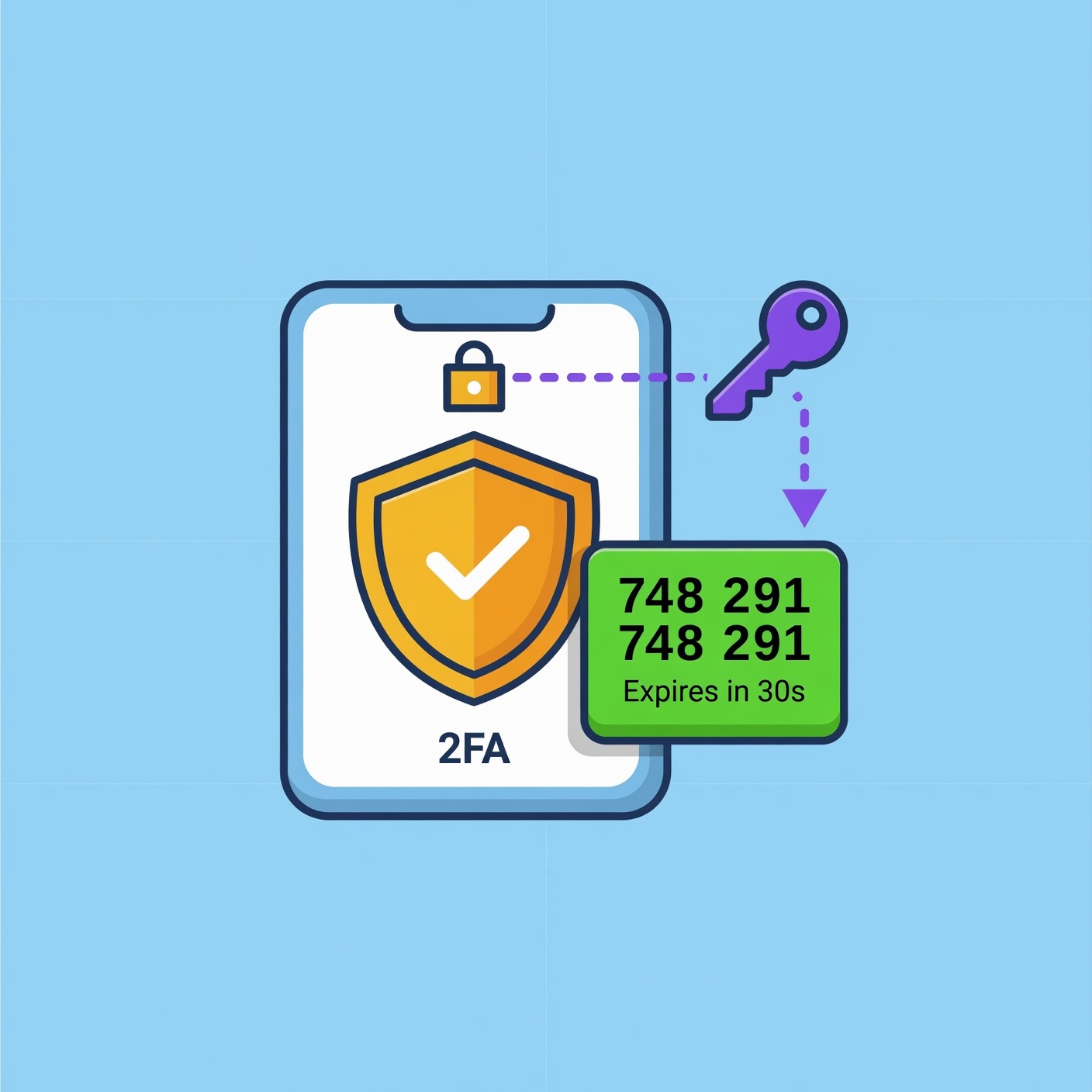
- Enable Two-Factor Authentication (2FA): Require a secondary verification step—preferably using an authenticator app rather than SMS text messages—for all vital online logins.
- Review Personal Devices: Run comprehensive malware and antivirus scans on your mobile devices and computers to ensure keyloggers or spyware are not harvesting your credentials.
- Request a New Social Security Number (Extreme Cases): If identity theft remains persistent and severe, you can contact the Social Security Administration to evaluate if your situation qualifies for issuing a new number, though this is reserved for extreme scenarios.
Understanding How Fraudsters Obtain Your Personal Information
Preventing future incidents requires understanding how bad actors harvest private data. Common vectors of compromise include:
Corporate Data Breaches: Large-scale cyberattacks on databases often expose millions of names, addresses, and Social Security numbers onto dark web marketplaces.
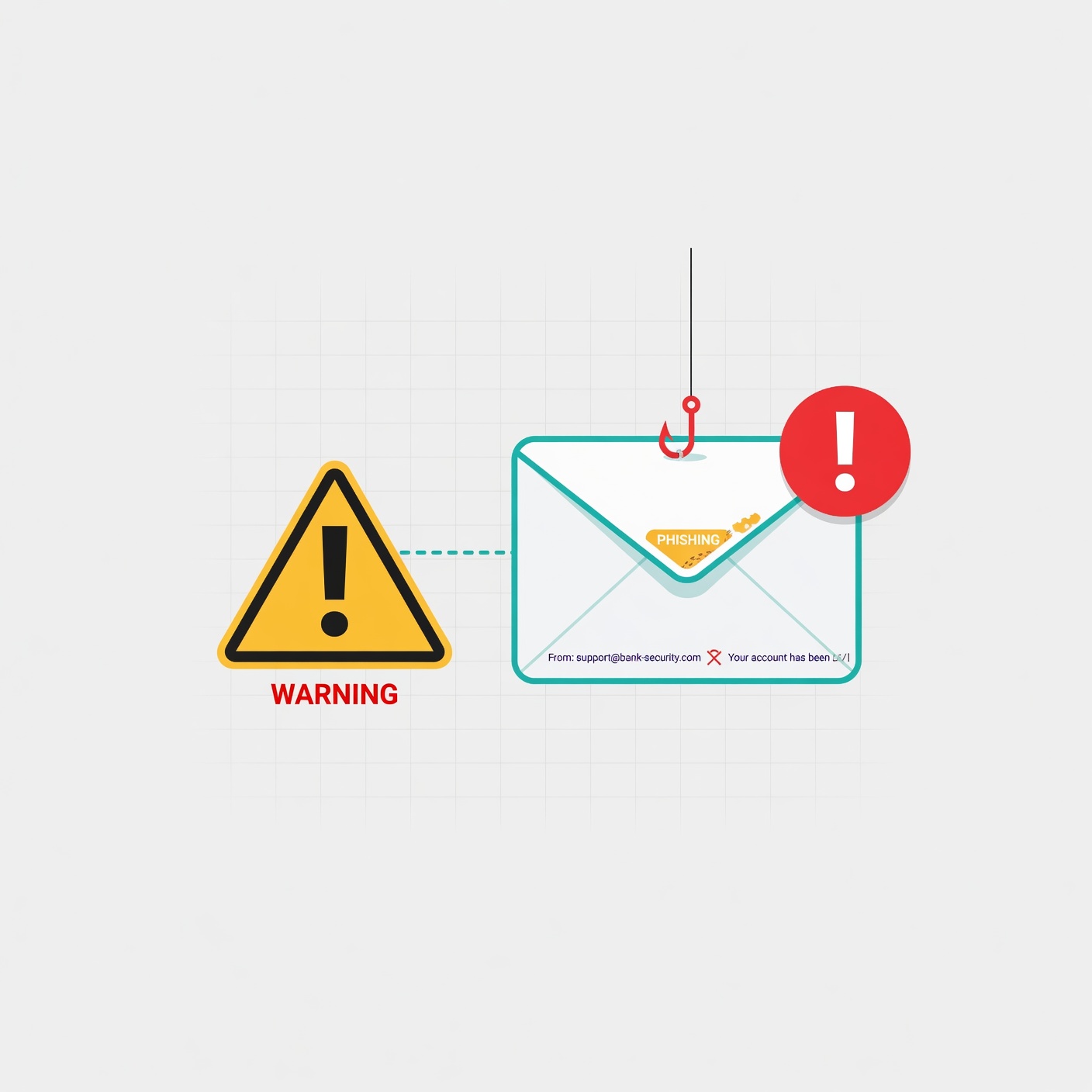
Phishing Attacks: Deceptive emails, text messages, or phone calls mimicking legitimate institutions trick individuals into revealing sensitive personal data.
Physical Mail Theft: Stolen mail, discarded financial documents, or intercepted credit card pre-approval letters offer easy access to sensitive records.
Public Wi-Fi Interception: Unsecured networks allow attackers to intercept unencrypted data transmitted from personal laptops or mobile phones.
Long-Term Monitoring and Financial Hygiene
Recovering from identity theft is an ongoing process that demands continued vigilance. Implementing long-term monitoring habits ensures early detection of any future unauthorized attempts.
Establish Routine Credit Monitoring
Check your credit reports regularly to catch unauthorized activity as soon as it happens. Federal law allows consumers to access free weekly credit reports from Equifax, Experian, and TransUnion through the official portal at AnnualCreditReport.gov.
Consider enabling free monitoring alerts through your existing credit cards or trusted financial platforms. Many credit card issuers now offer complimentary dark web scanning and automatic real-time alerts whenever a new inquiry or account appears on your credit profile.
Opt Out of Unsolicited Credit Offers
Pre-approved credit card offers sitting in your mailbox are prime targets for physical mail thieves. You can significantly lower this risk by opting out of prescreened credit and insurance offers permanently or for a period of five years via the official consumer site OptOutPrescreen.com.
Additionally, register your phone number with the National Do Not Call Registry to decrease fraudulent solicitation calls and reduce your exposure to social engineering scams.
Key Legal Rights Protecting Identity Theft Victims
As a victim of financial identity theft, federal consumer protection laws provide powerful legal safeguards:
- Zero Liability Rules: Under federal law and major card network rules, consumers are generally not responsible for unauthorized credit card transactions or fraudulent debts opened in their name.
- Fair Credit Reporting Act (FCRA): Gives you the right to dispute inaccurate or fraudulent data on your credit file, requiring reporting agencies to investigate and remove verified fraud.
- Fair Debt Collection Practices Act (FDCPA): Prevents debt collectors from using abusive or misleading practices to collect debts caused by identity theft once proper documentation is submitted.
Steps to Take When Fraud Occurs

To keep your recovery organized, follow this prioritized execution checklist:
- Contact the card issuer’s fraud department to cancel the account and request written confirmation of non-liability.
- Place a temporary fraud alert on your credit files through any major credit bureau.
- Implement a permanent credit freeze across Equifax, Experian, and TransUnion.
- File an official Identity Theft Report at IdentityTheft.gov.
- Obtain a local police report using your FTC documentation.
- Submit written disputes to all three credit bureaus to remove fraudulent inquiries and accounts.
- Update passwords and enable multi-factor authentication across all sensitive financial accounts.
- Continuously monitor your credit reports via AnnualCreditReport.gov.
Navigating identity theft requires patience and methodical documentation, but acting decisively ensures that fraudulent accounts are removed, your credit rating is fully restored, and your long-term financial security remains protected.