Financial Security
How Social Engineering Can Put Your Money at Risk
Understand the most common social engineering techniques and how to protect yourself from financial fraud

In the digital age, safeguarding your wealth requires much more than monitoring account balances and setting strong banking passwords. While firewalls and encryption protocols continue to fortify financial institutions against direct code-based breaches, modern fraudsters have shifted their focus to a much softer target: human psychology.
This manipulative methodology, commonly known as social engineering, relies on deception rather than technical vulnerabilities to separate individuals from their hard-earned money. Understanding how these psychological traps operate is the first step toward building an impenetrable defense around your personal finances.
The Psychology Behind Financial Manipulation and Deception
At its core, social engineering exploits fundamental human traits such as trust, helpfulness, fear, and urgency. Cybercriminals understand that technology is often secured, but human behavior remains predictable under pressure. When an individual receives an unexpected alert claiming that their primary checking account has been compromised, the immediate psychological response is often panic.
This manufactured panic bypasses critical rational thinking, prompting the victim to act swiftly to protect their assets. Fraudsters masterfully orchestrate these scenarios to make themselves appear as trusted saviors—such as bank fraud investigators, tech support representatives, or government officials. By establishing a false sense of authority and urgency, they manipulate targets into willingly handing over sensitive credentials, authorizing wire transfers, or installing malicious remote-access applications.
Advanced Phishing and Smishing Tactics Targeting Bank Accounts
Phishing emails and smishing text messages have evolved far beyond the poorly formatted, typo-ridden messages of the past. Today’s digital impersonations are polished, highly professional, and meticulously targeted.
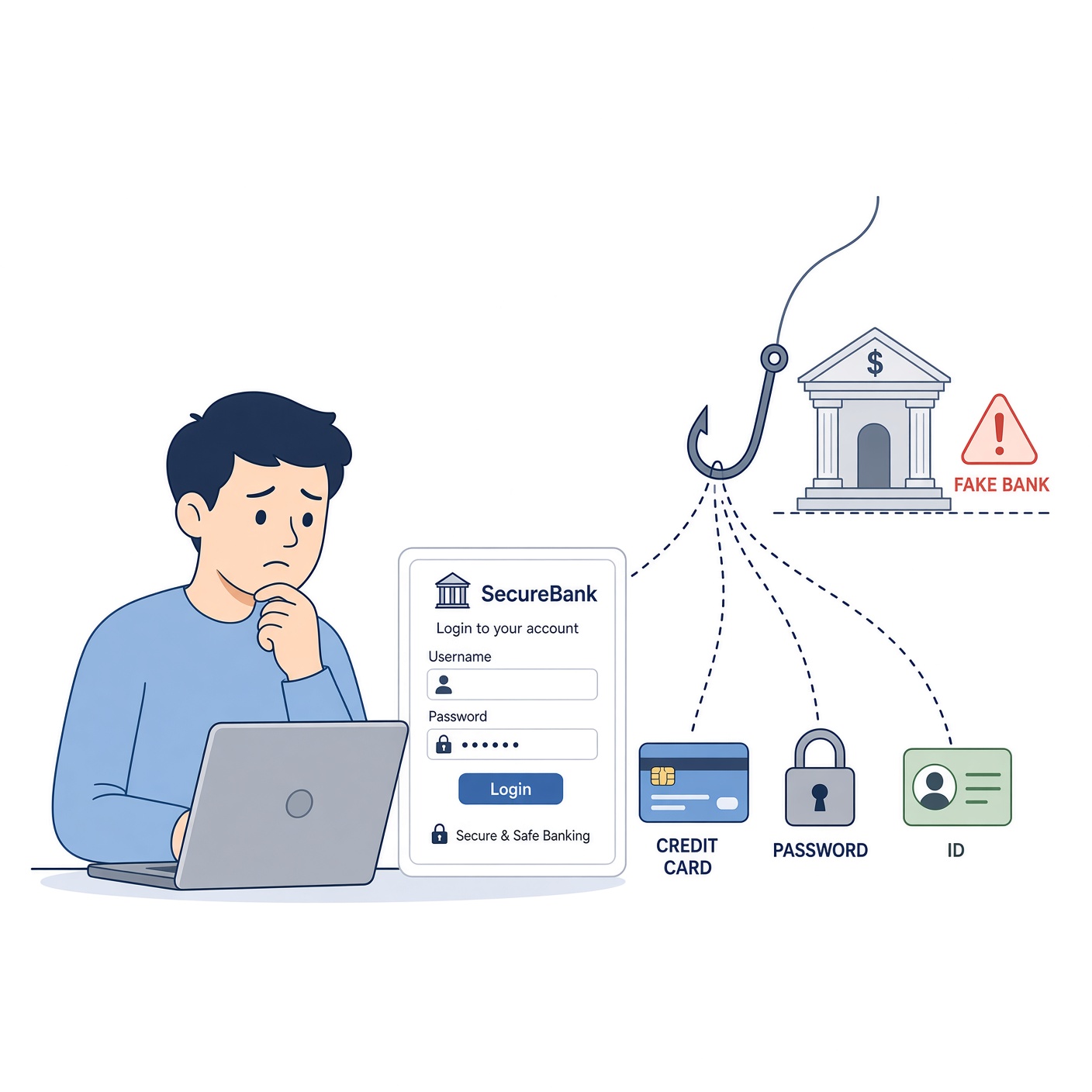
An attacker might send a text message mimicking your credit union or major retail bank, warning of an unauthorized purchase or a locked debit card. The message typically includes a convenient link directing you to a pixel-perfect replica of your bank’s login portal. Once you enter your username, password, and multi-factor authentication codes, the criminals capture these credentials in real time and drain your accounts within minutes.
To compound the risk, modern threat actors utilize malicious QR codes—a tactic known as quishing—embedded in digital statements or physical mail to route unsuspecting users to credential-harvesting websites that bypass traditional security filters.
Vishing and Audio Impersonation Threats to Personal Wealth
While text-based scams are prevalent, voice phishing—commonly known as vishing—remains one of the most effective ways for bad actors to manipulate account holders. Through advanced artificial intelligence and voice cloning technologies, criminals can replicate the cadence, tone, and accent of a specific individual or corporate representative using only a brief audio sample extracted from social media.
Imagine receiving a frantic phone call from someone sounding precisely like your adult child or a wealth manager, claiming to be in an urgent legal or financial emergency requiring an immediate wire transfer. The emotional weight of the situation frequently overrides skepticism. Victims execute these transfers voluntarily, believing they are helping a loved one or averting a financial catastrophe, only to discover later that they fell victim to an automated synthetic-voice scam.
Business Email Compromise and High-Value Wire Fraud
Social engineering is equally devastating on a corporate and high-net-worth scale, frequently manifesting as Business Email Compromise (BEC). In these scenarios, attackers infiltrate or spoof the email accounts of executives, attorneys, or real estate brokers. They quietly monitor communications for months, waiting for a high-stakes transaction—such as a property purchase or a major corporate acquisition—to reach its final closing phase.
At the critical moment, the fraudster intercepts the communication or sends a polished directive detailing updated wire transfer instructions due to an “audit” or “administrative change.” Because the message arrives during an active, expected transaction and matches the communication style of the trusted professional, the victim executes the transfer to an offshore mule account. Recovery options for these types of authorized transactions are exceptionally narrow, making prevention paramount.
The Danger of Remote Access Scams and Tech Support Traps
Another widespread vector involves unsolicited pop-up warnings or phone calls claiming that your computer network, brokerage account, or cryptocurrency wallet has been infected with malware. The caller offers to connect remotely to your device to help you “secure” your funds.
Once granted remote access, the impostor navigates through your browser tabs, open financial applications, and saved password vaults. They may manipulate your screen to display fake account balances, making it appear as though an accidental refund was issued, followed by intense pressure to transfer funds to a “safe holding account” to correct the error. In reality, they are silently transferring your capital to wallets under their control, leaving your actual portfolio completely compromised.
Recognizing Red Flags and Behavioral Warning Signs

Defending against sophisticated psychological manipulation requires cultivating a healthy sense of skepticism regarding any unsolicited communication involving your money. Common red flags include:
-
Artificial Urgency: Demands for immediate action, threats of account closure, or impending legal penalties designed to prevent you from pausing to verify the claims.
-
Unusual Payment Methods: Requests to move funds via cryptocurrency ATMs, peer-to-peer payment applications, gift cards, or wire transfers to unfamiliar recipient names.
-
Inconsistent Contact Information: Discrepancies between the sender’s displayed name and the actual underlying email address or phone number.
-
Secrecy Pressure: Instructions from supposed bank officials or law enforcement officers telling you not to discuss the transaction with family members, friends, or local branch personnel.
Implementing Robust Multi-Layered Financial Defenses
Protecting your capital from social engineering demands a proactive posture that combines strict technical controls with disciplined personal habits. First, transition away from vulnerable authentication methods like SMS-based one-time codes toward phishing-resistant security keys or hardware-based passkeys whenever possible.
Establish personal verification protocols for any movement of capital. If an institution, family member, or advisor contacts you with instructions to alter financial arrangements, independently look up their official published phone number—never use the contact details provided in the incoming message—and confirm the request through an alternative communication channel.
Furthermore, treat your personal data with extreme caution. Cybercriminals frequently scour public social media profiles to gather biographical details—such as pet names, birth dates, employment histories, and travel plans—to craft hyper-personalized narratives that disarm your suspicions.
By understanding the psychological mechanisms behind modern fraud, recognizing the warning signs of deceptive communications, and enforcing strict verification habits, you can significantly mitigate risk and ensure your wealth remains secure against evolving social engineering threats.