Financial Security
What to Do After Falling for a Financial Scam
Find out how to report a financial scam, secure your accounts, and protect yourself from additional losses
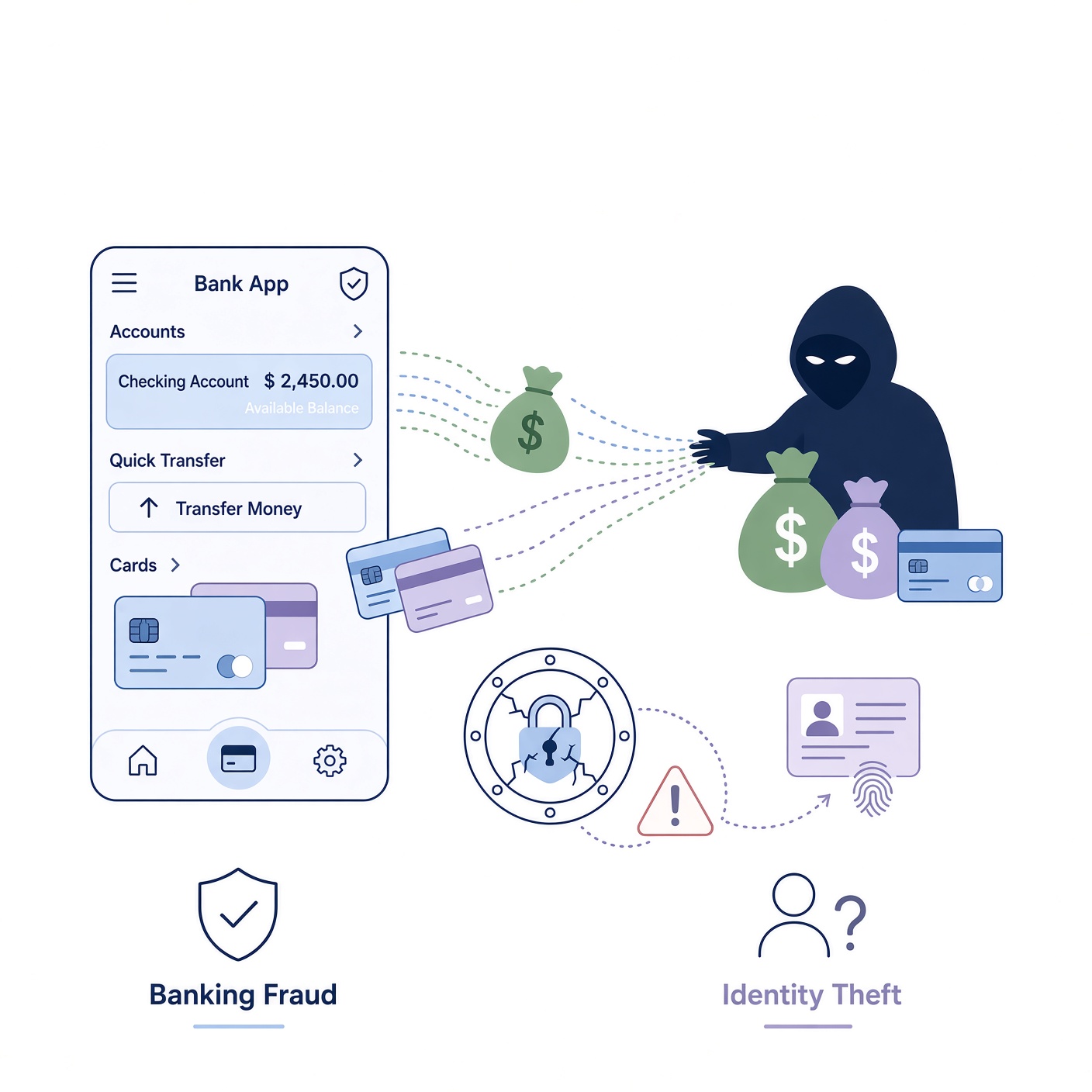
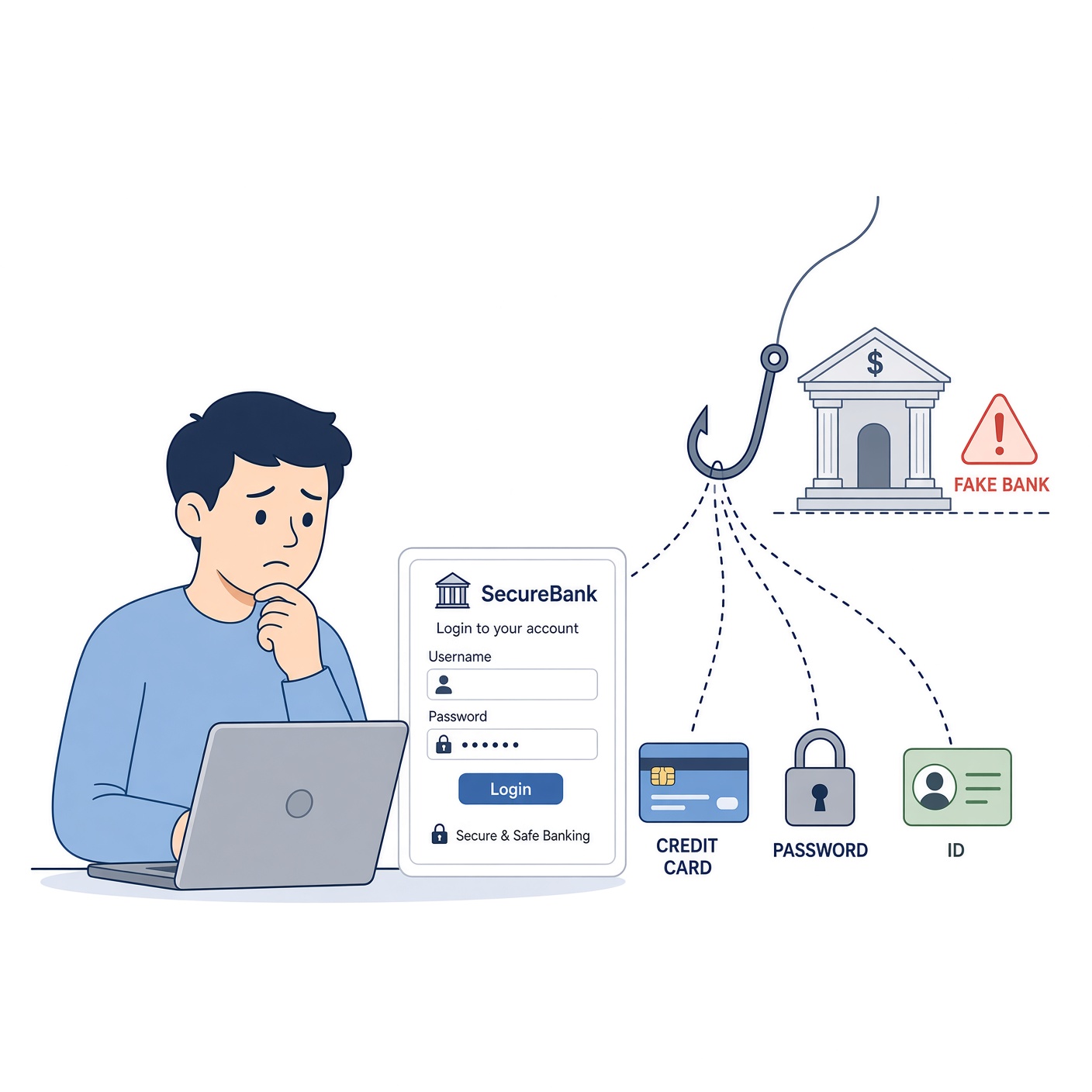
Falling victim to a financial scam can feel deeply unsettling, overwhelming, and emotionally draining. Whether it is a sophisticated phishing attack, an unauthorized investment scheme, a compromised bank account, or identity theft, the immediate aftermath is a critical window. Knowing exactly how to respond can dramatically minimize financial losses, secure your remaining assets, and help you regain peace of mind.
Scammers continuously refine their tactics, making deception harder to spot even for cautious individuals. When a fraudulent transaction or a manipulated transfer occurs, panic is natural, but swift, methodical action is your greatest defense. This guide outlines a step-by-step roadmap to navigate the recovery process, secure your digital footprint, work effectively with financial institutions, and rebuild your long-term financial security.
Immediate Actions to Take in the First 24 Hours

The first day following a discovered scam is vital. Time is often the most significant factor in whether stolen funds can be intercepted, frozen, or recovered.
-
Stop All Communication with the Scammers: Cut off all contact immediately. Do not answer their calls, reply to their emails, or engage in negotiations. Scammers often attempt secondary scams—sometimes posing as recovery agents—to extract more money from distressed victims.
-
Contact Your Financial Institutions Immediately: Call the fraud departments of your bank, credit card companies, or digital payment platforms involved in the incident. Report unauthorized transactions, request account freezes, and ask to dispute fraudulent charges or wire transfers.
-
Secure Your Primary Accounts: Change the passwords and PINs for your online banking portals, email addresses, and password managers. If you use the same password across multiple platforms, update those immediately as well.
-
Enable Multi-Factor Authentication (MFA): Ensure that two-factor or multi-factor authentication is active on all financial, email, and sensitive utility accounts, preferably using an authenticator app rather than SMS text messages, which can be intercepted through SIM swapping.
-
Document Everything: Gather and preserve all evidence. Take screenshots of fraudulent websites, text messages, emails, transaction receipts, chat logs, and phone records. This documentation will be essential for bank disputes and investigative reports.
Reporting the Fraud to Relevant Authorities and Agencies
Once immediate containment measures are in place, official reporting is necessary to create an official record of the crime and assist law enforcement in tracking down fraudulent operations.
-
File a Local Police Report: Contact your local law enforcement agency to file a formal complaint. Even if local authorities cannot recover international funds, having an official police report is frequently required by banks and credit bureaus to process fraud claims and dispute forms.
-
Report to National Fraud and Cybercrime Centers: Submit detailed reports to centralized government or consumer protection agencies that track cybercrime and financial fraud. In the United States, agencies like the Federal Trade Commission (FTC) and the Internet Crime Complaint Center (IC3) collect vital data that aids in larger cross-border investigations.
-
Notify Credit Bureaus and Freeze Your Credit: Contact major credit reporting agencies to place a credit freeze or fraud alert on your profile. A credit freeze restricts lenders from opening new lines of credit in your name without explicit authorization, effectively neutralizing identity theft risks.
-
Inform Specialized Consumer Protection Networks: If the scam involved specific industries—such as cryptocurrency exchanges, investment brokerages, or peer-to-peer payment networks—file separate compliance and fraud complaints directly through their official support channels.
Securing Your Digital Footprint and Devices
Financial scams often rely on compromised devices, malware, or stolen credentials. Securing your technological environment prevents ongoing unauthorized access.
-
Run Comprehensive Antivirus and Anti-Malware Scans: Use reputable security software to scan all computers, smartphones, and tablets for keyloggers, remote access trojans (RATs), or malicious software that may have been installed during the scam.
-
Review Connected Apps and Browser Extensions: Inspect your web browsers and mobile device settings for unauthorized extensions, untrusted applications, or unrecognized third-party apps that have permission to access your accounts or data.
-
Audit Email Settings and Forwarding Rules: Check your email account settings to ensure scammers have not set up hidden forwarding rules, alternate recovery addresses, or automatic deletion filters designed to hide alerts from your bank.
-
Update Operating Systems and Firmware: Ensure all your devices are running the latest software updates and security patches to close known vulnerabilities exploited by bad actors.
Managing the Psychological and Emotional Impact of Financial Fraud
The toll of financial fraud extends far beyond monetary loss; it frequently triggers intense stress, anxiety, embarrassment, and self-doubt. Acknowledging these emotional dimensions is a crucial component of recovery.
-
Overcome the Stigma and Silence: Many victims suffer in silence due to shame or the mistaken belief that they are solely at fault. Remember that modern scammers employ sophisticated psychological manipulation, social engineering, and professional-grade deceptions designed to trick anyone.
-
Talk to Trusted Confidants: Share your experience with a trusted friend, family member, or partner. External support reduces isolation and helps you process the emotional shock constructively.
-
Seek Professional Counseling If Needed: If anxiety, insomnia, or persistent stress begins to interfere with your daily life, consider speaking with a mental health professional specializing in trauma, stress management, or financial wellness counseling.
-
Focus on What You Can Control: Shift your mindset from regret over past actions to proactive management of your current security, future safeguards, and financial rebuilding plan.
Navigating Bank Disputes, Chargebacks, and Recovery Limitations
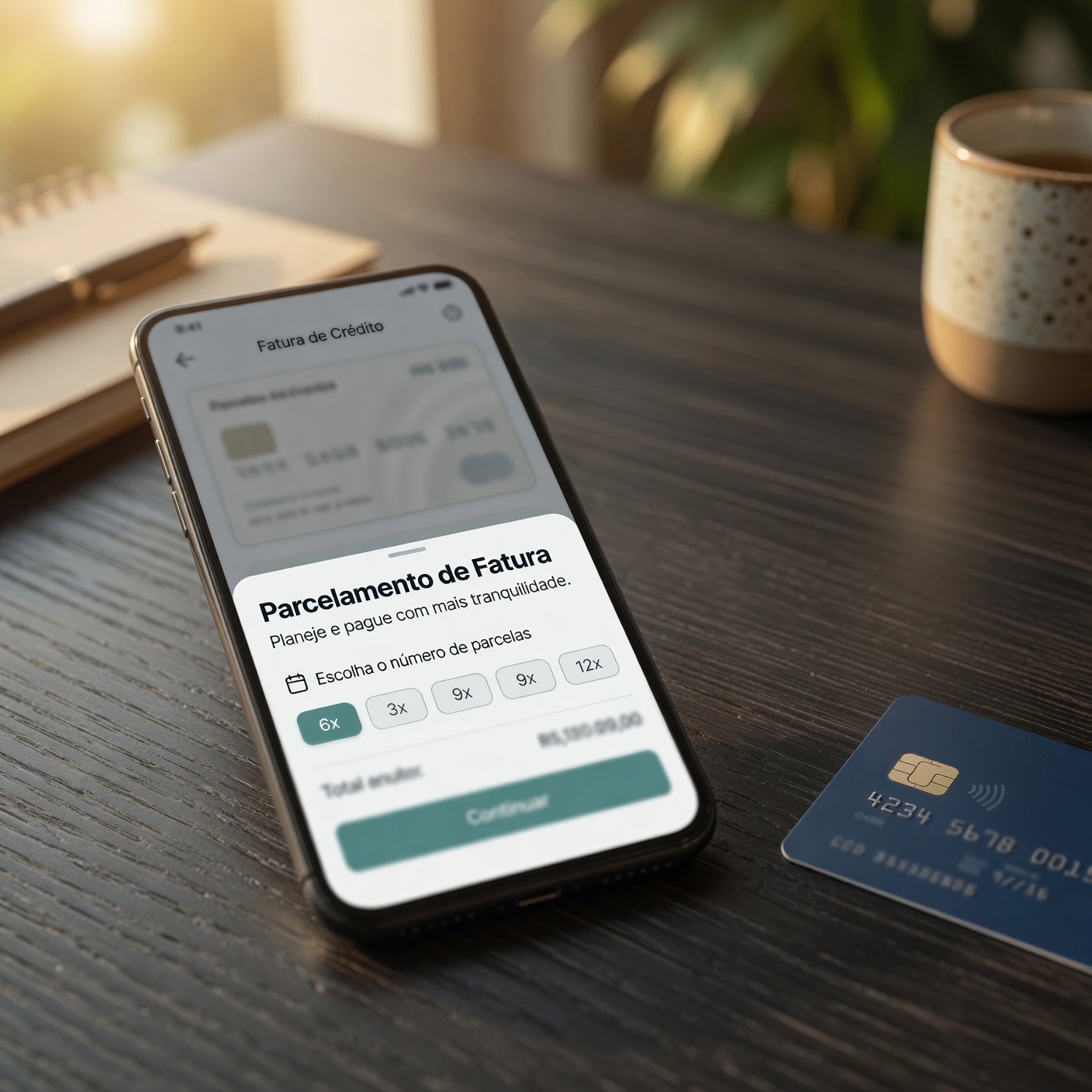
Working through the formal recovery mechanisms provided by financial institutions requires patience, clarity, and persistence.
-
Understand Chargeback Rights and Protections: Credit cards typically offer robust consumer protection and zero-liability policies for unauthorized charges under consumer protection laws, making chargebacks a powerful tool for reversing fraudulent purchases.
-
Challenges with Wire Transfers and Cryptocurrency: Wire transfers and cryptocurrency transactions are significantly harder to reverse due to their irreversible and decentralized nature. Once funds leave a traditional bank via wire or are converted on a blockchain network, recovery options narrow considerably, highlighting why immediate action is critical.
-
Beware of Recovery Scams: Be extremely suspicious of third-party companies, independent investigators, or social media accounts claiming they can guarantee the recovery of lost funds for an upfront fee. These are almost always secondary scams targeting vulnerable individuals.
-
Maintain Detailed Correspondence Logs: Keep a chronological record of every conversation, email, claim number, and representative name associated with your bank dispute investigations. Follow up consistently according to institutional timelines.
Rebuilding Financial Health and Establishing Long-Term Security
Recovering from a scam involves more than just plugging immediate leaks; it requires establishing robust defensive habits to ensure long-term resilience.
-
Conduct a Comprehensive Financial Audit: Review all active bank accounts, investment portfolios, retirement accounts, and credit reports to verify that no secondary vulnerabilities exist.
-
Establish Emergency Savings Buffers: Rebuilding your financial cushion over time provides psychological security and acts as a buffer against unexpected future shocks or emergencies.
-
Adopt Zero-Trust Digital Habits: Treat unsolicited communications, unexpected investment opportunities, high-pressure sales tactics, and unverified links with extreme skepticism. Always independently verify identities before sharing personal or financial information.
-
Utilize Password Managers and Unique Credentials: Eliminate the reuse of passwords across different websites. Use a trusted password manager to generate, store, and manage complex, unique cryptographic passwords for every account.
Recognizing Advanced Scam Tactics to Prevent Future Incidents
Education is the ultimate shield against evolving financial threats. Understanding the psychology and mechanics of modern fraud helps you spot red flags before any damage occurs.
-
Phishing and Spear Phishing: Fraudsters impersonate legitimate organizations—such as banks, tax authorities, or utility companies—using urgent language to trick you into revealing login credentials or sensitive personal data.
-
Investment and Romance Scams: Perpetrators build long-term trust through online relationships or fake high-yield investment platforms, gradually convincing victims to transfer large sums into fraudulent accounts disguised as legitimate trading dashboards.
-
Tech Support and Impersonation Scams: Scammers call or pop up warnings claiming your computer is infected or your bank account has been breached, tricking you into granting remote access to your device.
-
Identity Theft and Synthetic Fraud: Criminals combine stolen fragments of real personal data—such as Social Security numbers, dates of birth, and addresses—to create synthetic identities or open fraudulent credit lines.
Creating Your Personal Financial Safety Plan
Designing a personal safety protocol ensures that you and your household remain resilient against future attempts at financial manipulation.
-
Educate Your Household: Discuss common fraud tactics with family members, particularly aging relatives or younger dependents who may be targeted by aggressive social engineering schemes.
-
Set Up Account Alerts: Configure real-time transaction alerts, SMS notifications, and email alerts for every debit card swipe, credit purchase, wire transfer, or password change across all financial accounts.
-
Review Privacy Settings: Regularly audit the visibility of your personal data on social media platforms, public registries, and data broker websites to reduce the footprint available to scammers.
-
Establish a Trusted Advisor Network: Maintain relationships with reputable financial advisors, certified public accountants, and legal professionals who can provide objective guidance during complex financial decisions.
Conclusion
Falling for a financial scam is a challenging ordeal, but it does not define your financial future. By taking immediate containment steps, securing your devices, reporting the incident to the appropriate authorities, and calmly executing a structured recovery plan, you can successfully mitigate the damage.
Use the experience as a powerful catalyst for tightening your digital security, adopting vigilant financial habits, and fortifying your overall resilience. With patience, discipline, and proactive management, you can restore your financial stability and protect your assets moving forward.