Financial Security
How to Protect Your Savings From Banking Fraud
Learn how to protect your savings from banking fraud, scams, and unauthorized access
In an era where digital banking has revolutionized how we manage money, financial fraud has evolved from simple check-forgeries into sophisticated, multi-layered cyber operations. Protecting your hard-earned savings requires more than just changing your password once a year. Modern security demands a proactive, comprehensive defense strategy that anticipates how criminals exploit technology, human psychology, and banking infrastructure.
Whether you are managing personal wealth, retirement funds, or a small business account, understanding the mechanics of financial fraud is your first line of defense. This guide explores advanced methodologies to fortify your accounts, secure your digital footprint, and safeguard your financial future against emerging threats.
Understanding the Evolving Landscape of Modern Banking Fraud
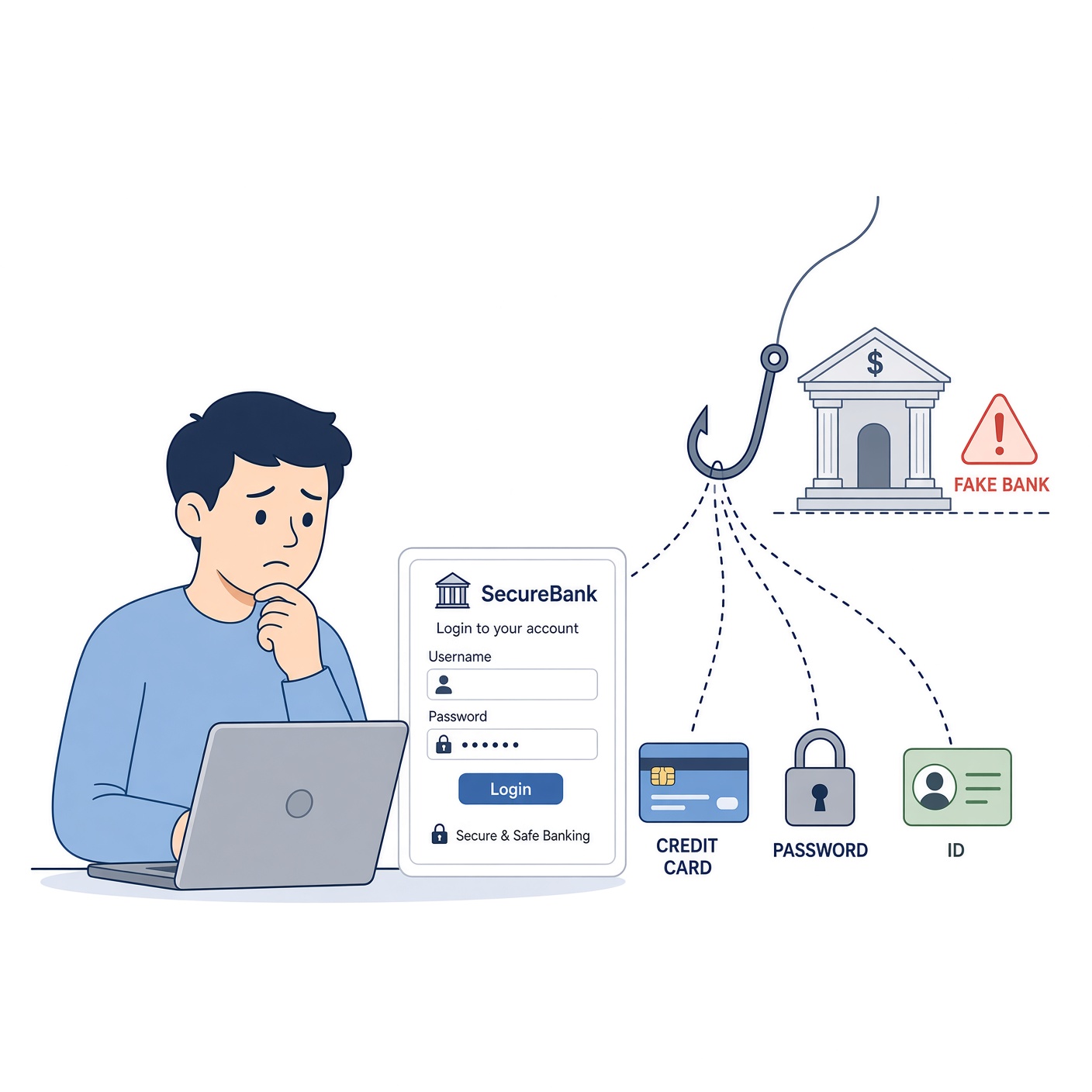
Financial fraud is no longer confined to stolen wallets or compromised physical cards. Today’s fraudsters operate globally, utilizing automation, artificial intelligence, and psychological manipulation to bypass traditional security perimeters. To protect your savings effectively, you must first understand the primary attack vectors utilized by modern cybercriminals.
Modern threats generally fall into three distinct categories:
-
Technological Exploits: Breaches involving malware, keyloggers, API vulnerabilities, and compromised third-party vendor systems connected to financial institutions.
-
Social Engineering: Sophisticated psychological manipulation tactics designed to coerce victims into voluntarily transferring funds or revealing sensitive authentication credentials.
-
Identity Theft and Synthetic Fraud: The assembly of stolen personal identifiable information (PII) to open fraudulent accounts, secure loans, or intercept legitimate transactions.
Recognizing that financial security is a continuous process rather than a static setup is critical. Cybercriminals constantly adapt their techniques, meaning your protective measures must evolve concurrently.
Fortifying Digital Authentication and Access Controls
The foundation of secure banking lies in how you authenticate your identity to financial institutions. Traditional username and password combinations are inherently vulnerable to credential stuffing attacks, data breaches, and brute-force cracking. Implementing robust, multi-layered access controls drastically reduces unauthorized entry points.
Transitioning Beyond Standard Multi-Factor Authentication (MFA)
While standard Two-Factor Authentication (2FA)—such as receiving an SMS code—is better than a password alone, it is vulnerable to SIM-swapping attacks and interception.
-
Prioritize Hardware Security Keys: Utilize FIDO2-compliant physical security keys (such as YubiKeys) for high-value financial accounts. These cryptographic keys require physical presence and cannot be phished remotely.
-
Adopt Biometric Verification: Leverage fingerprint and facial recognition technologies securely stored on local hardware devices rather than cloud servers.
-
Ditch SMS-Based Verification: Whenever your bank permits, disable SMS-based 2FA in favor of authenticator applications (e.g., TOTP generators) or push-notification verifications that require explicit device confirmation.
Password Hygiene and Vault Management
Reusing passwords across multiple platforms remains one of the leading causes of account compromise.
-
Deploy Enterprise-Grade Password Managers: Generate unique, highly complex, pseudo-random passwords for every financial portal you access.
-
Regular Security Audits: Conduct periodic reviews of all active login sessions, trusted devices, and linked third-party applications associated with your primary banking dashboards.
Identifying and Defeating Advanced Social Engineering Tactics
Social engineering bypasses technological firewalls by targeting the human element. Modern fraudsters deploy highly coordinated campaigns that induce panic, urgency, or excitement, forcing victims to make irrational financial decisions under pressure.
The Anatomy of Vishing and Smishing Campaigns
Voice phishing (vishing) and SMS phishing (smishing) have reached unprecedented levels of sophistication, often utilizing AI-generated deepfake audio to mimic bank executives, fraud department representatives, or family members in distress.
-
Verify via Outbound Communication: If you receive an urgent call or message claiming to be from your bank regarding suspicious activity, hang up immediately. Do not call back the number provided in the message; instead, dial the verified customer service number printed on the back of your debit or credit card.
-
Recognize Artificial Urgency: Legitimate financial institutions will never threaten immediate account closure, demand instant wire transfers to “safe accounts,” or ask for your full online banking password, PIN, or multi-factor authentication codes.
Combating Authorized Push Payment (APP) Fraud
Authorized Push Payment fraud occurs when a victim is tricked into willingly authorizing a transfer of funds directly to a fraudster’s account. Because the customer initiates the transaction, recovering these funds can be exceptionally difficult.
-
Implement Dual-Authorization Workflows: For substantial transfers, establish a mandatory cooling-off period or require secondary verification from a trusted partner or family member.
-
Verify Payee Details Rigorously: Double-check routing numbers, account numbers, and beneficiary names, especially when executing wire transfers or utilizing peer-to-peer (P2P) payment networks.
Securing Your Digital Infrastructure and Network Environment
Your financial accounts are only as secure as the devices and networks you use to access them. A compromised smartphone or laptop can expose your banking credentials regardless of how strong your passwords are.
Hardening Personal Devices
-
Maintain Rigorous Software Updates: Operating systems, browsers, and security software contain patches for newly discovered zero-day vulnerabilities. Enable automatic updates across all personal computers, tablets, and smartphones.
-
Endpoint Protection and Malware Defense: Install reputable, active anti-malware software that scans for keyloggers, screen-recappers, and trojans designed to capture banking session tokens.
-
Secure Device Encryption: Ensure full-disk encryption (such as BitLocker for Windows or FileVault for macOS) is active on all computers, and ensure mobile devices utilize secure, encrypted pin codes and biometric locks.
Navigating Public Networks Safely
-
Avoid Public Wi-Fi for Financial Transactions: Never access online banking portals while connected to unsecured public Wi-Fi networks in airports, coffee shops, or hotels.
-
Deploy a Trusted Virtual Private Network (VPN): When network access is unavoidable, utilize an encrypted, zero-logs VPN service to tunnel your internet traffic securely, protecting data packets from man-in-the-middle (MitM) interception.
-
Leverage Cellular Data: When in doubt, disconnect from local Wi-Fi hotspots and perform sensitive banking tasks over your mobile carrier’s encrypted 4G/5G network.
Implementing Proactive Account Monitoring and Alert Systems
Early detection is critical in mitigating financial damage when a breach occurs. Waiting for monthly paper statements is no longer viable in a fast-paced digital economy. You must transform your accounts into real-time monitored environments.
Configuring Granular Real-Time Notifications
Most modern financial institutions offer customizable alert systems. Take full advantage of these features by setting strict notification parameters:
-
Transaction Thresholds: Set alerts for every transaction above a minimal amount (e.g., $50 or $100), rather than waiting for large sums to clear.
-
Geographic Restrictions: Enable location-based alerts and card-locking features that instantly decline transactions originating outside your current geographic area.
-
Channel-Specific Alerts: Receive instantaneous SMS, push notifications, or email alerts for password resets, email address changes, new device logins, and international wire transfers.
Regular Reconciliation Practices
-
Weekly Audits: Review your transaction histories weekly rather than monthly to catch unauthorized micro-transactions or subscription renewals immediately.
-
Statement Verification: Cross-reference digital ledger entries with physical or downloaded statements to ensure no discrepancies exist in account balances or fee structures.
Protecting Your Credit Profile and Identity Infrastructure
Fraudsters frequently target personal identity data to establish synthetic credit lines, open secondary bank accounts, or execute tax refund fraud. Securing your broader identity profile is a vital component of protecting your core savings.
Credit Freezes and Fraud Alerts
-
Freeze Your Credit Reports: Contact the major credit bureaus (Equifax, Experian, and TransUnion) to place a formal credit freeze on your files. A credit freeze prevents lenders from accessing your credit report, effectively stopping identity thieves from opening new loans or credit cards in your name. You can temporarily lift the freeze when you legitimately need to apply for credit.
-
Monitor Credit Monitoring Services: Utilize reputable identity monitoring services that track dark web forums, data broker lists, and credit inquiries for unauthorized activity.
Managing Personal Data Footprints
-
Data Minimization: Limit the amount of personal identifiable information (PII) you share across social media platforms, public forums, and unverified commercial websites.
-
Secure Document Disposal: Shred physical documents containing banking details, social security numbers, or tax information before disposal. Digitally wipe hard drives and mobile devices thoroughly prior to resale, donation, or recycling.
Establishing an Emergency Incident Response Plan

Even with robust preventive measures in place, no system is entirely impenetrable. Knowing exactly how to respond within the first few golden hours of a suspected security breach can mean the difference between recovering your funds and permanent financial loss.
Immediate Action Checklist
If you suspect your accounts have been compromised, execute the following steps immediately:
-
Freeze or Lock Your Cards: Use your banking mobile application to instantly freeze debit and credit cards to halt pending and future charges.
-
Contact Your Financial Institution: Call the official fraud department of your bank immediately. Report unauthorized transactions, request account suspension, and inquire about zero-liability fraud protection policies.
-
Revoke Device Access: Force log-out sessions across all active devices through your security dashboard settings.
-
Change Core Credentials: Update your primary online banking password and associated email account credentials using a secure, uncompromised device.
-
File Formal Reports: Depending on the severity of the breach, file reports with local law enforcement, the Federal Trade Commission (FTC), or relevant national regulatory bodies to establish an official paper trail.
Cultivating a Culture of Vigilance
Protecting your savings from banking fraud is not a one-time setup task; it is an ongoing commitment to digital hygiene, critical skepticism, and proactive account management. By implementing multi-layered authentication protocols, hardening your personal devices, recognizing social engineering traps, and establishing rigorous real-time monitoring, you build an impenetrable fortress around your wealth. Stay informed, remain vigilant, and ensure your financial future remains secure against the evolving threats of the digital age.