Financial Security
What to Do If Money Disappears From Your Bank Account
Discover the steps to take after suspicious withdrawals, unexpected charges, or unauthorized transfers from your bank account
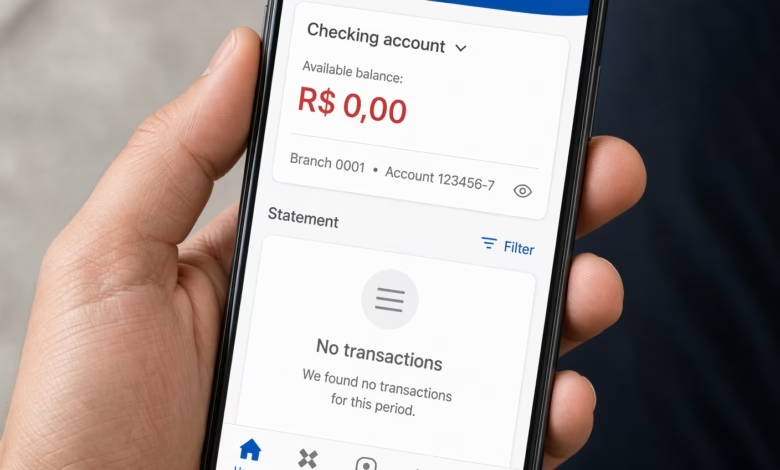
Checking your bank statement or logging into your mobile banking app to discover missing money is a stomach-dropping experience. Whether it is a small unrecognized transaction or a substantial balance drop, unauthorized activity on your account requires immediate, calm, and strategic action.
In today’s digital banking landscape, funds can vanish for several reasons, ranging from cyber fraud and stolen card details to simple merchant billing errors or administrative bank holds. Regardless of the underlying cause, federal banking consumer protection laws and prompt communication with your financial institution can significantly increase your chances of recovering every dollar.
This comprehensive guide provides a step-by-step roadmap on how to respond if money suddenly disappears from your bank account, how federal protections safeguard your funds, and how to prevent future unauthorized transactions.
1. Take Immediate Action: The First 24 Hours After Funds Go Missing

Time is your most valuable asset when dealing with unauthorized bank withdrawals. Taking immediate steps limits your financial liability and stops further unauthorized access.
Step 1: Lock Your Cards and Account Access
Before calling customer service, use your bank’s mobile application or online banking portal to temporarily freeze or lock your debit card, credit card, and online banking access. Most major financial institutions offer a instant “lock card” toggle within their app settings. This prevents scammers from initiating additional charges while you investigate the issue.
Step 2: Contact Your Bank’s Fraud Department
Call your bank directly using the official telephone number printed on the back of your debit card or listed on your official bank statements. Avoid using phone numbers found in unverified text messages, emails, or third-party web search results, as these could lead to phishing scams.
When speaking with the fraud department:
-
Inform the representative clearly that unauthorized transactions have occurred on your account.
-
Ask them to freeze all compromised accounts, cancel existing debit cards, and reissue new payment credentials.
-
Request a temporary credit while the investigation is underway.
Step 3: Change All Security Credentials
If unauthorized funds were moved via online banking or transfer services, your credentials may have been compromised through phishing or malware. Immediately change:
-
Your online banking passwords and PIN numbers.
-
Security questions and answers (choose non-obvious answers).
-
The password for the primary email account linked to your banking portal.
Enable Multi-Factor Authentication (MFA) or Two-Factor Authentication (2FA) using an authenticator app or hardware key rather than SMS text messages, which are susceptible to SIM-swapping attacks.
2. Common Reasons Why Money Disappears From Your Account
Not every missing balance is the result of direct theft. Before assuming criminal activity, review these common non-fraudulent scenarios that cause sudden balance fluctuations.
| Potential Cause | What Happened | How to Resolve |
| Pending Holds & Pre-Authorizations | Gas stations, hotels, or rental car agencies place temporary security holds on funds. | Wait 24 to 72 hours for the hold to drop off automatically. |
| Merchant Billing Errors | A legitimate store double-charges you or processes a subscription charge under an unfamiliar corporate name. | Contact the merchant directly or submit a billing error dispute with your bank. |
| Automatic Recurring Payments | Annual memberships, free trials that converted to paid subscriptions, or utility auto-pay setups. | Review monthly subscriptions and cancel unused recurring payments. |
| Bank Fees & Overdraft Charges | Monthly maintenance fees, out-of-network ATM surcharges, or wire transfer processing fees. | Review fee schedules with your bank and set up balance alerts. |
| Legal Garnishments or Bank Levies | Court orders, unpaid tax debts, or child support obligations enforced directly through your bank. | Contact your bank’s legal process department for details on the creditor. |
3. How Federal Protections Limit Your Liability for Lost Funds
If your funds disappeared due to unauthorized electronic transactions, consumer protection laws protect your deposits—provided you report the loss quickly.
Understanding the Electronic Fund Transfer Act (EFTA)
In the United States, electronic fund transfers—including debit card transactions, ATM withdrawals, ACH transfers, and online bill payments—are regulated under Regulation E / The Electronic Fund Transfer Act (EFTA).
Your financial liability for unauthorized transfers depends entirely on how rapidly you report the loss after noticing it:
-
Reported within 2 business days: Your maximum liability is capped at $50.
-
Reported between 2 and 60 calendar days: Your maximum liability rises to $500.
-
Reported after 60 calendar days: You risk unlimited liability, meaning you could lose all money taken from the account, plus potential overdraft lines of credit linked to it.
Provisional Credit Rules
Under federal guidelines, once you officially report an unauthorized electronic transfer, your bank generally has 10 business days to investigate the claim. If the bank cannot complete its investigation within 10 business days, it must issue a provisional (temporary) credit to your account for the disputed amount while completing the full inquiry.
4. How to Document and File an Official Dispute
Winning an unauthorized transaction claim requires thorough documentation. Presenting a clear, organized record makes it significantly easier for your bank to resolve the dispute in your favor.
Step 1: Create a Transaction Timeline
Open a spreadsheet or document and list every suspicious detail:
-
Dates and exact timestamps of unauthorized withdrawals.
-
Merchant names, locations, and transaction IDs.
-
The exact amounts deducted from your account.
-
A list of legitimate transactions made right before and after the suspicious activity.
Step 2: Request a Written Dispute Confirmation
Whenever you report fraud over the phone, ask the agent for a claim reference number or dispute tracking code. Follow up with a formal written letter or secure message sent through your bank’s online messaging portal.
Include:
-
Your full account number and primary contact details.
-
A clear statement that you did not authorize or benefit from the specified transactions.
-
Copies of your bank statement highlighting the fraudulent items.
Step 3: File a Police Report for Identity Theft
If a significant amount of money was stolen or if you suspect identity theft (e.g., someone opened accounts in your name or accessed your online credentials), file a report with your local police department. Obtain a official copy of the police report, as banks often require a police report number to process high-value fraud claims.
5. What to Do If Your Bank Denies Your Claim
If your financial institution denies your fraud claim, you still have options to challenge their decision.
Request the Investigation Documents
Under Federal Regulation E, if a bank denies your claim or determines that no unauthorized transaction occurred, they are legally required to send you a written explanation. You have the right to request all documents, records, and evidence the bank used to arrive at their decision.
Submit an Appeal
Review the bank’s evidence carefully. Often, claims are initially denied due to missing information, incorrect merchant codes, or simple misunderstandings. Submit a formal appeal letter providing additional context, such as:
-
Proof of location (e.g., receipts or travel records showing you were elsewhere when a physical card purchase occurred).
-
Police report documentation.
-
Affidavit of fraud statements signed and notarized.
File a Complaint with Financial Regulators
If your bank refuses to cooperate or acts unfairly, you can file a complaint with governmental regulatory agencies:
-
Consumer Financial Protection Bureau (CFPB): The primary federal agency regulating consumer financial products. Submitting a complaint online often prompts a formal response from your bank’s executive resolution team within 15 days.
-
Office of the Comptroller of the Currency (OCC): Regulates national banks and federal savings associations.
-
Federal Deposit Insurance Corporation (FDIC) or NCUA: For state-chartered banks or credit unions, respectively.
6. Cyber Fraud Tactics Behind Missing Bank Funds
Understanding how criminals gain access to financial accounts empowers you to recognize and avoid future threats. Modern bank fraud relies on both technical exploits and psychological manipulation.
Phishing, Smishing, and Vishing
Scammers use fraudulent emails (phishing), text messages (smishing), or phone calls (vishing) impersonating your bank’s fraud department. They create artificial urgency—claiming your account is compromised—and convince you to share one-time passcodes, PINs, or login credentials.
Account Takeover (ATO) Attacks
In an Account Takeover, cybercriminals obtain compromised login credentials from public data breaches or credential-stuffing attacks. Once inside your account, they change contact details, update password retrieval settings, and systematically drain funds via wire transfers or Peer-to-Peer (P2P) payment apps.
SIM Swapping
Attackers trick mobile carriers into transferring your phone number to a SIM card under their control. Once the phone number is intercepted, the scammer receives all your security verification codes, allowing them to reset your online banking passwords.
7. Advanced Strategies to Protect Your Money in the Future

Protecting your hard-earned funds requires a multi-layered security approach combining technological settings, smart banking habits, and active monitoring.
1. Set Up Real-Time Account Alerts
Configure instant text message, push, or email notifications for all banking activity. Set up triggers for:
-
Any transaction over a specific dollar amount (e.g., $1.00 or more).
-
International or card-not-present transactions.
-
Account setting modifications (password changes, new contact info added).
-
Low balance thresholds.
2. Separate Emergency Savings from Daily Checking Accounts
Avoid keeping large balances in daily checking accounts that are linked directly to a physical debit card. Keep primary savings in a separate, secure account—preferably with debit access completely disabled or at a separate financial institution—and transfer funds to checking only as needed.
3. Use Virtual Credit or Debit Cards for Online Shopping
When shopping online, use virtual card services provided by major banks or card issuers. Virtual cards generate temporary card numbers linked to your account, allowing you to set spending limits or lock the virtual card after a single purchase.
4. Limit the Use of Debit Cards in Unsecured Environments
Debit cards pull funds directly from your liquid cash reserves, leaving you without cash while a fraud investigation takes place. Credit cards offer stronger statutory protection and use the credit issuer’s money during disputes, ensuring your operational cash balance remains intact. Limit debit card usage to ATMs inside secure bank branches, and use credit cards or digital wallets (Apple Pay, Google Pay) for general retail purchases.
Final Thoughts
Discovering missing money from your bank account is stressful, but acting quickly, remaining organized, and leveraging federal consumer protection regulations puts you in the strongest position to recover your cash. Lock your credentials immediately, notify your financial institution’s fraud unit without delay, document every interaction, and follow up relentlessly until your funds are fully restored.