How Fake Financial Advisors Trick Investors
Discover the warning signs that can help you identify investment scams

The dream of financial independence drives millions of people to seek professional guidance for their investments. We want our money to grow, we want to save for retirement, and we want to ensure our families are provided for. However, this desire for wealth creation often leaves individuals vulnerable to a specific type of predator: the fake financial advisor.
Investment fraud is a sophisticated, multi-billion-dollar industry. Unlike a mugging or a car theft, financial fraud is often a “slow burn.” It is a crime of manipulation, deception, and psychological warfare. Fake advisors do not look like stereotypical villains; they look like successful, friendly, and trustworthy professionals. Understanding their tactics is the most effective way to protect your hard-earned assets.
The Modern Face of Financial Fraud

Gone are the days when financial scammers relied solely on cold-calling strangers from a basement. Today, the fake financial advisor is a master of the “digital persona.” They are active on social media, they maintain professional-looking websites, and they often speak the language of modern finance—sprinkling their conversations with jargon about “decentralized finance,” “exclusive pre-IPO opportunities,” and “wealth optimization.”
Their primary goal is to establish trust, and they do this by mirroring your values. If you are conservative, they will talk about safety. If you are ambitious, they will talk about high-growth potential. By the time you realize they are a fraud, they have often convinced you to move your money into accounts they control, making recovery incredibly difficult.
How Fake Financial Advisors Build Artificial Trust
To trick an investor, a scammer must first lower your defenses. They don’t jump straight to asking for your life savings. Instead, they build a facade of authority through several calculated steps.
The Appearance of Success
Fake advisors know that investors trust “successful” people. They curate an image of wealth—often through rented office spaces, flashy social media photos, or by claiming to be part of an exclusive club or network. This “lifestyle signaling” is intended to make you feel that if they can make themselves rich, they can certainly do the same for you.
The “Guru” Persona
Many scammers position themselves as financial gurus. They publish blog posts, record podcasts, or host webinars that offer sound, generic financial advice (e.g., “save early,” “diversify your portfolio”). This gives them a thin veneer of credibility. Once they have hooked you with useful, benign advice, they move in with a “special opportunity” that only you, as a valued client, can access.
Key Warning Signs You Are Being Targeted
Recognizing the signs of a fraudulent advisor before you hand over a cent is critical. Financial regulators have identified several universal “red flags” that almost every investment scam shares.
1. The Promise of High Returns with Low Risk
This is the single most significant warning sign in the financial world. Legitimate investing operates on a fundamental principle: risk and return are correlated. If an investment offers a high potential return, it must carry a high level of risk. If an “advisor” promises you consistent, double-digit returns with “guaranteed” safety or “no risk,” you are not talking to a professional—you are talking to a thief.
2. Pressure and Urgency
Legitimate financial planning is a marathon, not a sprint. A real financial advisor will encourage you to take your time, read the documentation, and think about your long-term goals. A scammer, by contrast, relies on urgency. They will tell you that an investment is “closing soon,” “limited to a few investors,” or that you must act “by the end of the week” to secure your spot. This manufactured pressure is designed to prevent you from doing your own research.
3. Unsolicited Contact
Be highly skeptical of anyone who reaches out to you out of the blue, whether through email, direct message on a social platform, or an unexpected phone call. Legitimate firms rarely need to hunt for clients through cold outreach in this manner. If someone reaches out to you promising to manage your portfolio, treat the interaction with extreme caution.
The “Guaranteed Return” Myth
The siren song of the “guaranteed return” is what fuels the majority of Ponzi schemes and investment frauds. It is important to remember that in the world of legitimate markets—stocks, bonds, real estate—there is no such thing as a guaranteed 15%, 20%, or 30% annual return.
When an advisor suggests that they have a “proprietary strategy” or a “secret algorithm” that beats the market consistently without risk, they are lying. The market is efficient, and if such a strategy existed, large institutional banks would have capitalized on it long ago. Scammers use this “secret knowledge” narrative to make you feel like you are getting an unfair advantage, which is a powerful psychological trigger that often overrides logical thinking.
How to Verify the Credentials of Your Financial Advisor
Before you ever share personal financial information or transfer funds, you must perform due diligence. This is not about being suspicious; it is about being a responsible steward of your own money.
Check Regulatory Databases
In the United States, investment advisors must be registered with either the Securities and Exchange Commission (SEC) or state regulators. You can use official government portals—such as the Investment Adviser Public Disclosure (IAPD) website or FINRA’s BrokerCheck—to search for the name of the advisor or the firm.
If they are not listed, or if their profile shows a history of regulatory actions, disciplinary measures, or criminal complaints, do not proceed. Always ensure the person you are speaking with is the person listed on the official registry. Scammers often use the names of real, reputable advisors to hide their own identity.
Ask Hard Questions
A real financial advisor will welcome questions about their background, their fee structure, and their strategy. A scammer will become evasive or annoyed. Ask the following:
-
“How are you compensated? Is it a flat fee, an hourly rate, or a commission?”
-
“Are you a fiduciary? (This means they are legally required to act in your best interest).”
-
“Can I see a copy of your Form ADV?” (This is a mandatory disclosure document for registered investment advisors).
-
“Where will my money be held? Which custodian will be holding my assets?”
If the answer to the last question is “with us” or “in our proprietary account,” proceed with extreme caution. Your assets should almost always be held by a reputable third-party custodian (like a major brokerage firm or a bank), not directly by the advisor.
The Danger of Alternative Assets and Crypto Scams
In recent years, we have seen a massive surge in scams involving alternative assets, particularly cryptocurrencies and “pre-IPO” shares. These asset classes are often less regulated and harder for the average person to value, making them a playground for fraudsters.
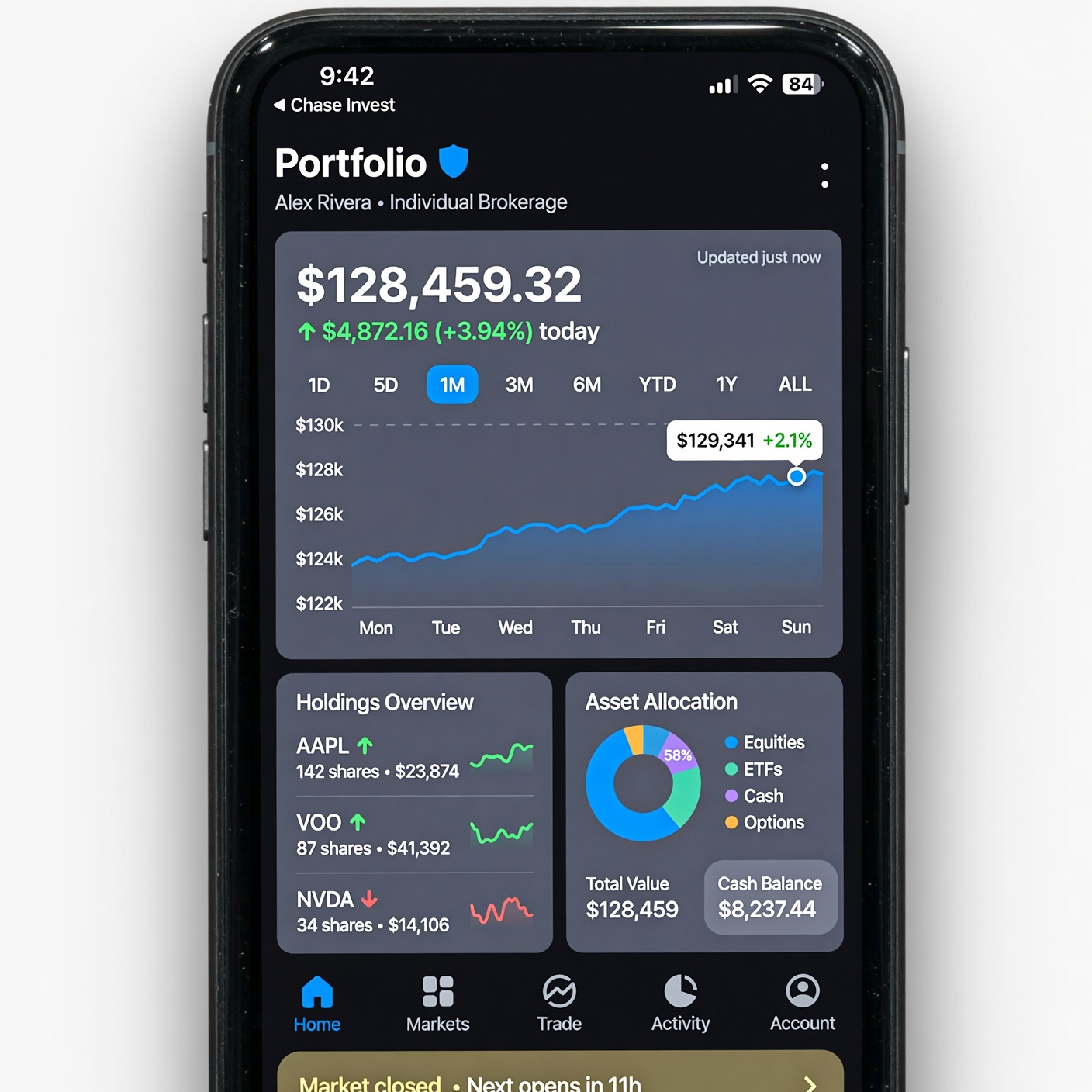
An advisor might convince you to move your savings into a crypto wallet they control, promising to trade it for you. Once the money is in their wallet, it is effectively gone. They might even show you a fake website that displays your “account balance” growing every day to keep you invested and potentially convinced to send more money. When you finally try to withdraw, they will demand “taxes” or “fees” to release your funds, which is another common scam tactic known as the “advance-fee fraud.”
The Psychology of the Sunk Cost Fallacy
One reason victims of investment fraud struggle to report the crime is the “sunk cost fallacy.” When you realize you have been scammed, the immediate reaction is often to try to “win back” the money. The scammer might offer to “recover” your funds if you just pay a fee, or if you invest a little bit more to “unlock” the account.
Understand this clearly: if you have been scammed, never send more money to recover what you have already lost. Scammers will often target previous victims with the promise of “recovery services,” only to rob them a second time.
Protecting Your Retirement and Savings
Financial security is built on a foundation of sound, boring, and consistent habits. It is not built on secret tips or high-pressure opportunities.
-
Keep Control of Your Assets: Never transfer funds to an account solely controlled by an individual advisor. Use established brokerage firms where you have your own login and visibility into your holdings.
-
Understand Your Fees: Transparent advisors are happy to explain exactly how they get paid. If the fees are hidden or seem excessively complex, walk away.
-
Trust Your Instincts: If an investment opportunity sounds too good to be true, it is. If you feel pressured to make a decision, walk away. There will always be another investment opportunity, but your savings are finite.
-
Educate Yourself: The best defense against a fake financial advisor is a basic understanding of how markets work. When you understand the basics of asset allocation, diversification, and market risk, it becomes much harder for a scammer to sell you a fantasy.
Vigilance is Your Best Asset

The vast majority of financial professionals are honest, hardworking individuals who genuinely want to help their clients succeed. However, the presence of bad actors means that you cannot afford to be passive. Your financial future is your responsibility.
By verifying credentials, demanding transparency, questioning “guaranteed” returns, and maintaining control over your own accounts, you can enjoy the benefits of professional financial guidance while minimizing the risk of falling victim to fraud. Treat your money with the respect it deserves, and always perform your due diligence before you commit your capital. Remember, in the world of finance, the most valuable asset you have is your skepticism. Stay informed, stay cautious, and prioritize the security of your assets above all else.