Credit Card
Chase Freedom Unlimited: Is It a Good Everyday Credit Card?
See how the Chase Freedom Unlimited compares with other popular everyday credit cards
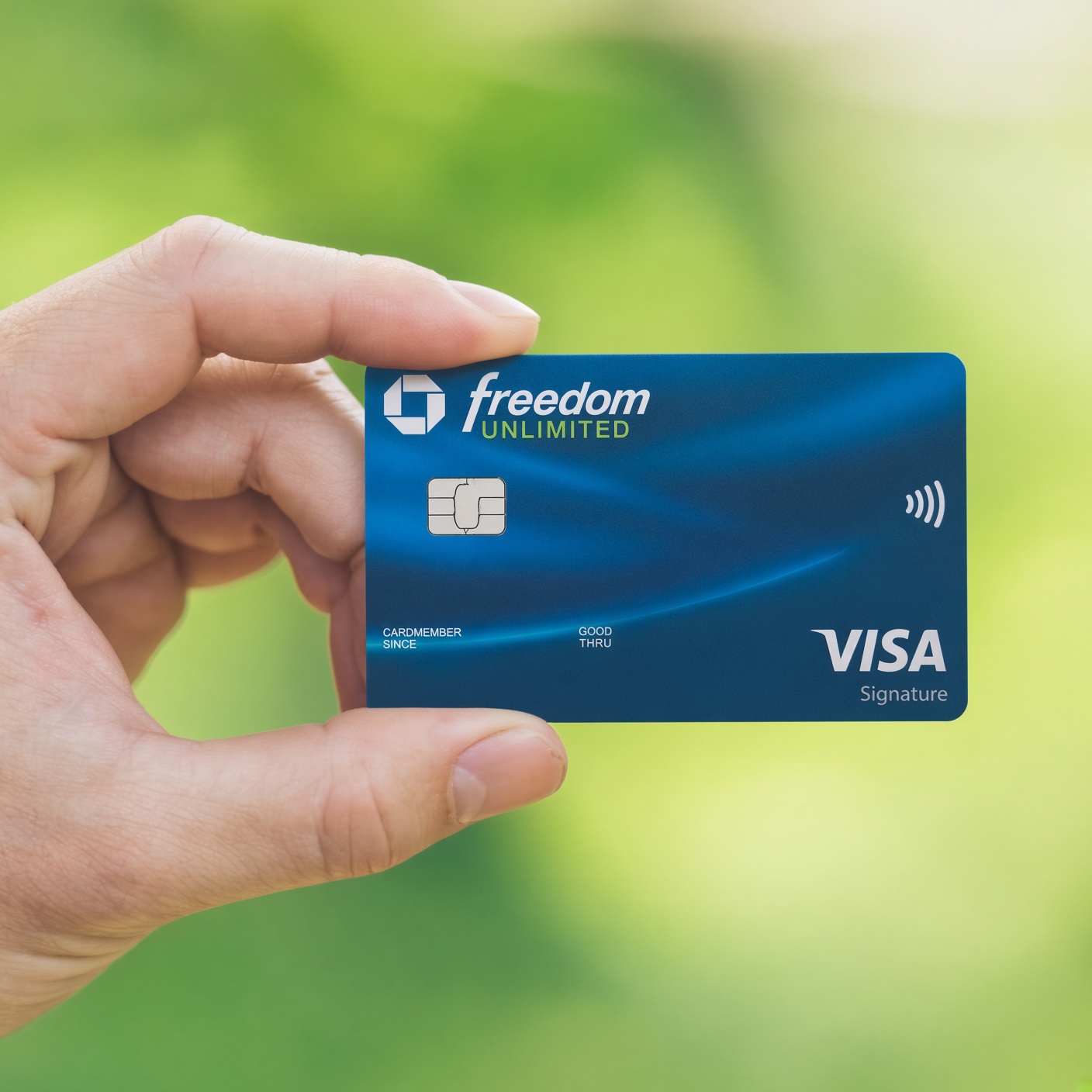
When it comes to managing personal finances and maximizing your spending power, choosing the right credit card can feel like navigating a maze. With countless options offering sign-up bonuses, tiered rewards, and complex fine print, finding a simple yet rewarding piece of plastic for your wallet is challenging. If you are looking for a reliable, no-annual-fee card that rewards you for everyday purchases without making you jump through hoops, the Chase Freedom Unlimited often sits at the top of the conversation.
In this comprehensive guide, we will break down everything you need to know about this popular credit card. Whether you are a college student building credit, a busy professional looking to streamline your finances, or someone simply trying to get more value out of grocery shopping, gas, and dining, this review will help you decide if the Chase Freedom Unlimited deserves a spot in your wallet.
What is the Chase Freedom Unlimited?
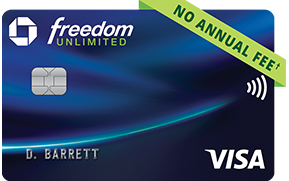
The Chase Freedom Unlimited is a cash-back credit card issued by Chase, one of the largest financial institutions in the United States. Unlike traditional credit cards that require you to track rotating quarterly categories—remembering to activate rewards every three months—the Freedom Unlimited offers a flat, predictable earning structure across all purchases, combined with elevated rewards on specific categories like travel and dining.
For beginners and everyday spenders, this card is celebrated for its simplicity. You do not have to worry about complex point valuations or restrictive merchant networks just to earn a decent return on your money. Every time you swipe, tap, or insert your card, you are accumulating valuable rewards that can be redeemed for cash back, statement credits, gift cards, or travel.
Key Features and Earning Structure: How You Earn Rewards
Understanding how a credit card earns rewards is the first step in determining its value. The Chase Freedom Unlimited features a multi-tiered earning structure designed to cover both everyday essentials and specialized spending categories:
-
5% Cash Back on Travel: Purchased through the Chase Travel portal, making it an excellent option for booking flights, hotels, and car rentals through a centralized platform.
-
3% Cash Back on Dining: This includes sit-down restaurants, takeout, and eligible delivery services, catering to anyone who frequently dines out or orders food.
-
3% Cash Back on Drugstore Purchases: Perfect for picking up prescriptions, toiletries, and everyday pharmacy essentials.
-
1.5% Cash Back on All Other Purchases: This is the core engine of the card. Every time you buy gas, clothing, home goods, or pay recurring bills, you earn an unlimited 1.5% back.
To put this into perspective, many standard cash-back cards offer a flat 1% on non-category spending. Getting 1.5% back on every single miscellaneous purchase might not sound like a massive difference on a five-dollar coffee, but over the course of a year across thousands of dollars in spending, that extra half-percent adds up significantly.
Welcome Offers and Sign-Up Bonuses for New Cardholders
One of the most exciting aspects of applying for a new credit card is the welcome offer. Chase regularly updates its promotional sign-up bonuses for the Freedom Unlimited to attract new cardholders.
Typically, these bonuses take the form of an extra cash-back boost after spending a specified amount within the first few months of account opening. For example, a common offer might give you an extra 1.5% cash back on everything you buy up to a certain spending limit during your first year, effectively turning your base rate into 3% on everyday purchases, 4.5% on dining and drugstores, and 6.5% on travel booked through Chase.
Always check the current live offer before applying, as these promotions fluctuate throughout the year to remain competitive in the personal finance market.
No Annual Fee: Maximizing Value Without Hidden Costs
One of the greatest deterrents for everyday consumers looking into rewards credit cards is the annual fee. Cards that charge hundreds of dollars per year require you to do complex mental math to ensure the rewards you earn outweigh the cost of keeping the card active.
The Chase Freedom Unlimited comes with a $0 annual fee. This means you can keep the card open indefinitely—even if your spending habits change or you decide to pivot to a different card later—without worrying about eating into your hard-earned rewards. For beginners, a zero-annual-fee card is a stress-free entry point into the world of credit card rewards, as there is zero financial pressure to “break even” each year.
Understanding the APR, Interest Rates, and Introductory Offers
While earning cash back is exciting, responsible credit card management requires a close look at potential costs, specifically the Annual Percentage Rate (APR).
-
Regular Variable APR: The card carries a standard variable APR that applies to balances carried from month to month. Because credit card interest rates can be high, it is always best financial practice to pay your statement balance in full every single month to avoid paying interest.
-
Introductory 0% APR Periods: Chase frequently pairs the Freedom Unlimited with an introductory 0% APR period on purchases and/or balance transfers for a set number of months after account opening. This can be an incredible financial tool if you have a large upcoming purchase—such as furniture, medical bills, or car repairs—or if you want to pay down existing high-interest debt interest-free over time. Once the introductory period ends, the standard variable APR applies to any remaining balance.
How to Redeem Your Cash Back: Flexibility at Your Fingertips

Earning rewards is only half the battle; knowing how to redeem them efficiently ensures you extract maximum value. The Chase Freedom Unlimited offers incredible flexibility when it comes to cashing out your rewards:
-
Statement Credits: You can apply your cash back directly as a credit against your card’s balance, lowering your monthly bill.
-
Direct Deposit: You can have your cash earnings deposited straight into a checking or savings account (with no minimum redemption amount required for cash back).
-
Gift Cards: Redeem your rewards for gift cards to popular retailers, restaurants, and entertainment venues, sometimes at a discounted promotional rate.
-
Shopping via Amazon or Apple: You can use your rewards to check out directly on partner merchant sites.
The Ultimate Travel Secret: The “Chase Ecosystem”
If you are a casual cash-back earner, the redemption methods listed above are more than enough. However, if you ever decide to step up your travel game, the Freedom Unlimited holds a secret weapon.
Cash back earned on the Freedom Unlimited is actually awarded in the form of Chase Ultimate Rewards points (where 1 cent equals 1 point). If you pair your Freedom Unlimited with a premium travel card like the Chase Sapphire Preferred or Chase Sapphire Reserve, you can transfer your points from your Freedom card to your Sapphire card. From there, you can redeem them through the Chase travel portal for increased value or transfer them directly to airline and hotel loyalty programs like United Airlines, Southwest, Hyatt, and Marriott. This transforms a simple cash-back card into a powerhouse travel rewards generator.
Pros and Cons of the Chase Freedom Unlimited
To give you an honest and balanced review, let’s weigh the major advantages and disadvantages of adding this card to your wallet:
Pros:
-
No Annual Fee: Keep the card long-term without worrying about yearly costs.
-
Great Base Earning Rate: A flat 1.5% cash back on all non-category purchases beats many competitor cards.
-
Valuable Bonus Categories: Earn 3% on dining and drugstores, and 5% on travel through Chase.
-
Flexible Redemption: No minimums for cash back; redeem for statement credits, direct deposits, or gift cards.
-
Potential for Advanced Travel Hacking: Points can be combined with Chase Sapphire cards for high-value travel redemptions.
-
Introductory APR Offers: Great for financing large purchases or tackling balance transfers interest-free.
Cons:
-
Foreign Transaction Fees: The card typically carries a foreign transaction fee (usually around 3%), making it a poor choice for international travel or purchases made in foreign currencies.
-
Requires Good to Excellent Credit: Approval generally requires a strong credit score (typically 690 or higher), meaning complete beginners with zero credit history might need to start elsewhere.
-
Variable APR Can Be High: Carrying a balance month-to-month will incur significant interest charges that can quickly wipe out your cash-back earnings.
Who is the Ideal Cardholder for the Chase Freedom Unlimited?
Not every credit card is built for every person. The Chase Freedom Unlimited shines brightest for specific types of consumers:
-
The Everyday Spender: If you want one primary card that handles everything from grocery shopping and gas to online shopping and utility bills without making you track changing categories, the flat 1.5% rate is fantastic.
-
Foodies and Diners: Anyone who frequently eats out at restaurants, orders takeout through apps, or buys daily coffee will benefit heavily from the 3% dining multiplier.
-
The Minimalist: If you hate having a bulky wallet filled with half a dozen different cards for specific stores or categories, the Freedom Unlimited serves as an excellent all-in-one daily driver.
-
Intermediate Rewards Maximizers: Individuals who want a strong cash-back card now, with the flexibility to scale up into full-fledged travel hacking later by pairing it with a Chase Sapphire card.
Who Should Skip the Chase Freedom Unlimited?
While versatile, you might want to look at alternative options if you fall into one of these categories:
-
Frequent International Travelers: Because of the foreign transaction fees, anyone traveling outside the United States should look for a card with $0 foreign transaction fees (such as the Chase Sapphire Preferred or Capital One Venture).
-
People with Low or Limited Credit Scores: If you are brand new to credit or recovering from financial hardships, you may not meet Chase’s approval criteria. Secured credit cards or student credit cards would be a better starting point.
-
Mega-Spenders in Specific Categories: If your budget is heavily weighted toward specific categories like groceries (at traditional supermarkets) or gas stations, you might earn more with cards that offer dedicated 3% to 6% back on those specific sectors year-round.
How It Compares to Competitors
To truly understand the value of the Chase Freedom Unlimited, it helps to see how it stacks up against other heavy-hitters in the personal finance space:
-
Citi Double Cash: The primary rival to the Freedom Unlimited. The Citi Double Cash offers a flat 2% cash back on all purchases (1% when you buy, 1% when you pay). On pure flat-rate spending, Citi wins with 2% compared to Chase’s 1.5%. However, Chase counters with 3% on dining and drugstores, 5% on travel, and access to the lucrative Chase Ultimate Rewards ecosystem.
-
Capital One Quicksilver Cash Rewards: Another popular flat-rate card that typically offers 1.5% cash back on all purchases with no annual fee. While very similar in base earning power, the Capital One Quicksilver often lacks the elevated dining and drugstore multipliers found on the Chase Freedom Unlimited, though it frequently features $0 foreign transaction fees depending on the specific card tier.
Tips and Best Practices for Maximizing Your Cash Back
If you decide to apply for and use the Chase Freedom Unlimited, following a few golden rules of personal finance will ensure you get the absolute most out of your plastic:
-
Always Pay Your Balance in Full: Credit card rewards are only “free money” if you never pay interest. Carrying a balance and paying 20% to 25% APR will instantly negate any 1.5% or 3% cash back you earned. Treat your credit card like a debit card—only spend what you can afford to pay off immediately.
-
Leverage Authorized Users Wisely: If you have a spouse, partner, or family member, adding them as an authorized user allows all of their everyday household spending to accumulate points into your central account much faster.
-
Keep an Eye Out for Chase Offers: Log into your Chase mobile app regularly to check the “Chase Offers” section. You can activate extra cash-back discounts (ranging from 5% to 20% back) at popular merchants, restaurants, and streaming services you likely already use.
-
Never Let Cash Back Expire: Your Chase cash back does not expire as long as your account remains open in good standing, but it is always wise to redeem periodically or let it build up for a major financial goal.
Final Verdict: Is It Worth It?

So, is the Chase Freedom Unlimited a good everyday credit card? Absolutely.
For the vast majority of consumers looking for a straightforward, zero-annual-fee card that rewards them for living their daily lives, the Freedom Unlimited is a masterclass in credit card design. It bridges the gap between simplicity and reward value, offering guaranteed earnings on miscellaneous purchases while rewarding you handsomely when you grab dinner with friends or book your next vacation.
While it does carry foreign transaction fees and requires good credit for approval, its pros vastly outweigh its cons. Whether used as a standalone card for minimalist spenders or as a foundational cornerstone in a larger rewards strategy, the Chase Freedom Unlimited easily earns its reputation as one of the best everyday credit cards on the market today.