Best Credit Cards for People With Excellent Credit
Compare top credit cards designed for people with excellent credit scores

Having an excellent credit score—typically defined as a FICO® Score of 740 or higher—puts you in the top tier of financial profiles. Credit card issuers actively compete for your business because a strong payment history and low credit utilization signal exceptional financial responsibility.
For consumers in this bracket, credit cards are far more than convenient tools for daily transactions. When used strategically, premium credit cards function as high-yielding wealth optimization tools that offer luxury travel perks, cash back rewards, elite concierge services, and robust consumer protections.
This comprehensive guide breaks down the best credit cards for excellent credit, how to select the ideal option for your lifestyle, strategic reward-stacking techniques, and common pitfalls to avoid when managing top-tier accounts.
What Defines an Excellent Credit Score for Premium Credit Cards?

Before reviewing specific card options, it helps to understand how financial institutions evaluate an application. While credit scoring models vary slightly, major credit bureaus (Equifax, Experian, and TransUnion) generally categorize credit scores into distinct tiers:
- Exceptional Credit (800–850): Guaranteed eligibility for lowest interest rates and premium card approvals (subject to income and debt-to-income limits).
- Very Good / Excellent Credit (740–799): Meets or exceeds underwriting standards for top-tier travel, cash back, and rewards cards.
- Good Credit (670–739): Qualifies for competitive rewards cards, though high-end luxury products may require additional review.
- Fair to Poor Credit (Below 670): Usually limited to entry-level, building, or secured credit cards.
  [Credit Score Range Breakdown]
  ┌─────────────────────────────────────────────────────────┐
  │ 800 - 850 : Exceptional (Auto-Approve Zone)             │
  │ 740 - 799 : Excellent (Unlocks Premium Rewards)         │
  │ 670 - 739 : Good (Standard Cards)                       │
  │ 580 - 669 : Fair (Building/Rebuilding)                  │
  │ 300 - 579 : Poor (Secured Credit Line)                  │
  └─────────────────────────────────────────────────────────┘
Beyond your numeric score, card issuers evaluate your overall debt-to-income (DTI) ratio, monthly housing expenses, total credit lines, and recent account openings.
Top Credit Cards for Excellent Credit Comparison
The table below outlines key features across top-tier credit card categories:
| Credit Card | Primary Category | Annual Fee | Key Rewards & Perks |
|---|---|---|---|
| Chase Sapphire Preferred® Card | Starter Premium Travel | $95 | 3x Dining, 2x Travel, 1:1 Point Transfers |
| Capital One Venture X Rewards | Premium Travel Value | $395 | 2x Miles Everything, $300 Travel Credit, Lounge Access |
| The Platinum Card® from American Express | Luxury Travel Perks | $695 to $895 | Centurion Lounge Access, $1,500+ Annual Credits |
| Blue Cash Preferred® Card from Amex | Family & Groceries | $95 ($0 Intro Year 1) | 6% U.S. Supermarkets (up to $6k/yr), 6% Streaming |
| Wells Fargo Active Cash® Card | Flat-Rate Cash Back | $0 | Unlimited 2% Cash Back on all purchases |
| Citi Double Cash® Card | No-Fuss Cash Back | $0 | 2% Total (1% when buying, 1% when paying) |
Best Travel Credit Cards for High Credit Scores
Travel cards for excellent credit generally fall into two categories: flexible point-earning cards and high-end luxury perks cards.
1. Chase Sapphire Preferred® Card: Best Flexible Travel Card

The Chase Sapphire Preferred® Card remains an industry benchmark for mid-tier travel rewards.
- Annual Fee: $95
- Earning Structure: 5x on travel booked through Chase Travel℠, 3x on dining, select streaming, and online groceries, 2x on general travel.
- Why It Stands Out: Chase Ultimate Rewards® points transfer at a 1:1 ratio to high-value travel partners, including World of Hyatt, United Airlines, and Air Canada Aeroplan. The card includes primary auto rental collision coverage, trip cancellation insurance, and a 25% point redemption bonus when booking travel through Chase.
2. Capital One Venture X Rewards Credit Card: Best Luxury Travel Value

The Capital One Venture X offers premium travel benefits at a competitive net cost.
- Annual Fee: $395
- Earning Structure: 10x on hotels and rental cars booked through Capital One Travel, 5x on flights booked through Capital One Travel, and an unlimited 2x miles on all other purchases.
- Why It Stands Out: The card includes a $300 annual Capital One Travel credit and 10,000 anniversary bonus miles (valued at $100), effectively offsetting the $395 annual fee. Cardholders also gain complimentary access to Capital One Lounges, Plaza Premium Lounges, and Priority Pass networks.
3. The Platinum Card® from American Express: Best for Premium Airport Lounge Access
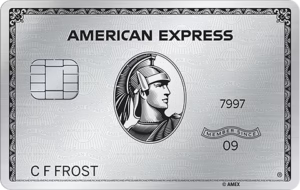
For frequent travelers seeking luxury service and extensive airport lounge network access, the Amex Platinum remains a top choice.
- Annual Fee: Premium Annual Fee (See Issuer Terms)
- Earning Structure: 5x Membership Rewards® points on flights booked directly with airlines or via Amex Travel (up to $500,000 per calendar year), 5x on prepaid hotels booked through Amex Travel.
- Why It Stands Out: Unlocks access to the Global Lounge Collection, including American Express Centurion Lounges, Priority Pass, and Delta Sky Clubs (when flying Delta). It offers extensive annual statement credits for prepaid hotels, digital entertainment, Uber rides, and Global Entry or TSA PreCheck application fees.
Best Cash Back Credit Cards for Top-Tier Applicants
If you prefer straightforward cash rewards over managing travel transfer points, these cards offer competitive, low-maintenance earning structures.
1. Blue Cash Preferred® Card from American Express: Best for Household & Grocery Spending

For families spending significantly on groceries, fuel, and home entertainment, this card delivers strong category cash back rates.
- Annual Fee: $0 intro annual fee for the first year, then $95.
- Earning Rates:
- 6% cash back at U.S. supermarkets (on up to $6,000 per year, then 1%).
- 6% cash back on select U.S. streaming subscriptions.
- 3% cash back on transit (taxis, rideshares, parking, tolls, trains, buses).
- 3% cash back at U.S. gas stations.
- 1% cash back on general purchases.
2. Wells Fargo Active Cash® Card: Best Flat-Rate Simplicity

For broad-spectrum spending without category tracking, flat-rate 2% cash back cards provide consistent value.
- Annual Fee: $0
- Earning Rates: Unlimited 2% cash back on eligible purchases.
- Why It Stands Out: Simple rewards structure paired with up to $600 in cell phone protection against damage or theft when paying your monthly wireless bill with the card (subject to deductible).
3. Citi Double Cash® Card: Best for Consistent Everyday Rewards
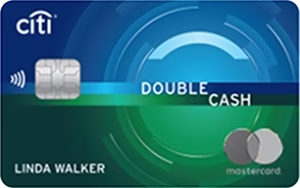
A long-standing staple in the flat-rate cash back space.
- Annual Fee: $0
- Earning Rates: Earn 2% total cash back—1% when you buy, plus 1% as you pay off those purchases.
- Why It Stands Out: Converts cash back into Citi ThankYou® Points, allowing cardholders to pair it with premium Citi cards to access transfer partners.
How to Choose the Right Premium Credit Card for Your Lifestyle
To select the ideal card, evaluate your spending patterns and reward preferences across these three areas:
                  [Card Selection Matrix]
                            │
       ┌────────────────────┴────────────────────┐
       ▼                                         ▼
[Travel-Focused Rewards]              [Cash Back & Simplicity]
  • Flexible Points (Chase/Amex)        • Flat 2% Rate (Wells Fargo/Citi)
  • Luxury Perks & Lounge Access        • Focused Categories (Groceries/Gas)
  • Transfer Partners & Upgrades        • No Annual Fee Structure
1. Match Your Highest Spending Categories
Review your financial statements over the past 3 to 6 months to identify your primary expense categories:
- Heavy Dining out & Groceries: Target cards like the Amex Gold Card or Blue Cash Preferred®.
- Frequent Airline & Hotel Travel: Look at Chase Sapphire Reserve®, Capital One Venture X, or Amex Platinum.
- Mixed Everyday Expenses: Opt for flat-rate 2% cards like Wells Fargo Active Cash® or Citi Double Cash®.
2. Evaluate Net Annual Fees vs. Gross Fees
Do not dismiss high annual fee cards immediately. Calculate the Net Annual Fee by subtracting built-in credits you naturally use from the sticker price:
Net Fee = Annual Fee – (Statement Credits + Valued Perks)
If a card charges $395 annually but includes $300 in travel credits and $100 in anniversary miles, your net annual cost is negative $5, assuming full utilization.
3. Select Points vs. Cash Back
- Choose Points: If you enjoy redeeming rewards for international business-class flights, hotel upgrades, or transfer partner redemptions.
- Choose Cash Back: If you prefer straightforward rewards applied directly as statement credits or bank deposits.
Advanced Rewards Strategies: The “Multi-Card Stack” Method
Applicants with excellent credit can maximize returns by using complementary card combinations rather than relying on a single card.
Strategy A: The “Chase Trifecta”
Combining three Chase cards allows you to earn high multiplier rewards across multiple categories and pool points into a single transferrable Ultimate Rewards® account:
- Chase Sapphire Preferred® or Reserve®: Used for travel purchases, dining, and transferring points to airline/hotel partners.
- Chase Freedom Flex®: Used for quarterly 5% rotating bonus categories (up to $1,500 quarterly spend).
- Chase Freedom Unlimited®: Used for non-category spend to earn 1.5% back on all general purchases.
Strategy B: The Two-Card Hybrid (Travel + Cash Back)
Pair a primary flat-rate card with a dedicated category card to maintain a high base earning rate:
- Card 1: Capital One Venture X (Earns 2x miles everywhere).
- Card 2: Amex Blue Cash Preferred® (Earns 6% back on U.S. groceries and streaming).
Essential Rules for Card Approvals: Understanding Issuer Constraints

Even with an 800+ credit score, applications can be declined if you exceed internal card issuer rules.
The Chase 5/24 Rule
Chase automatically declines most credit card applications if you have opened 5 or more personal credit cards from any bank within the past 24 rolling months.
- Strategy: Apply for essential Chase credit cards before opening cards with other financial institutions.
American Express “Once per Lifetime” Welcome Offer Rule
American Express restricts introductory welcome bonuses to once per card structure per lifetime per cardholder.
- Strategy: Wait to apply for Amex cards until their introductory welcome bonuses reach historical highs.
Capital One Velocity & Card Limits
Capital One typically limits cardholders to two personal branded credit cards at a time and requires a minimum waiting period (often 6 months) between applications.
How to Protect and Maintain an Excellent Credit Score
Opening new credit card accounts temporarily impacts credit profiles. Follow these practices to maintain your score:
- Keep Credit Utilization Below 10%: Your credit utilization ratio accounts for roughly 30% of your FICO® Score. Keep total balance usage low relative to your cumulative limit.
- Automate Full Monthly Payments: Payment history comprises 35% of your credit score. Set up autopay for the statement balance to prevent missed due dates.
- Preserve Older Accounts: The length of credit history contributes to your overall score. Keep no-annual-fee accounts open long-term to protect your average age of accounts.
- Space Out Applications: Limit hard credit inquiries by spacing new card applications 90 to 180 days apart.