Financial Security
Why You Should Never Share a Verification Code Over the Phone
Understand how verification code scams work and how to protect your accounts from unauthorized access
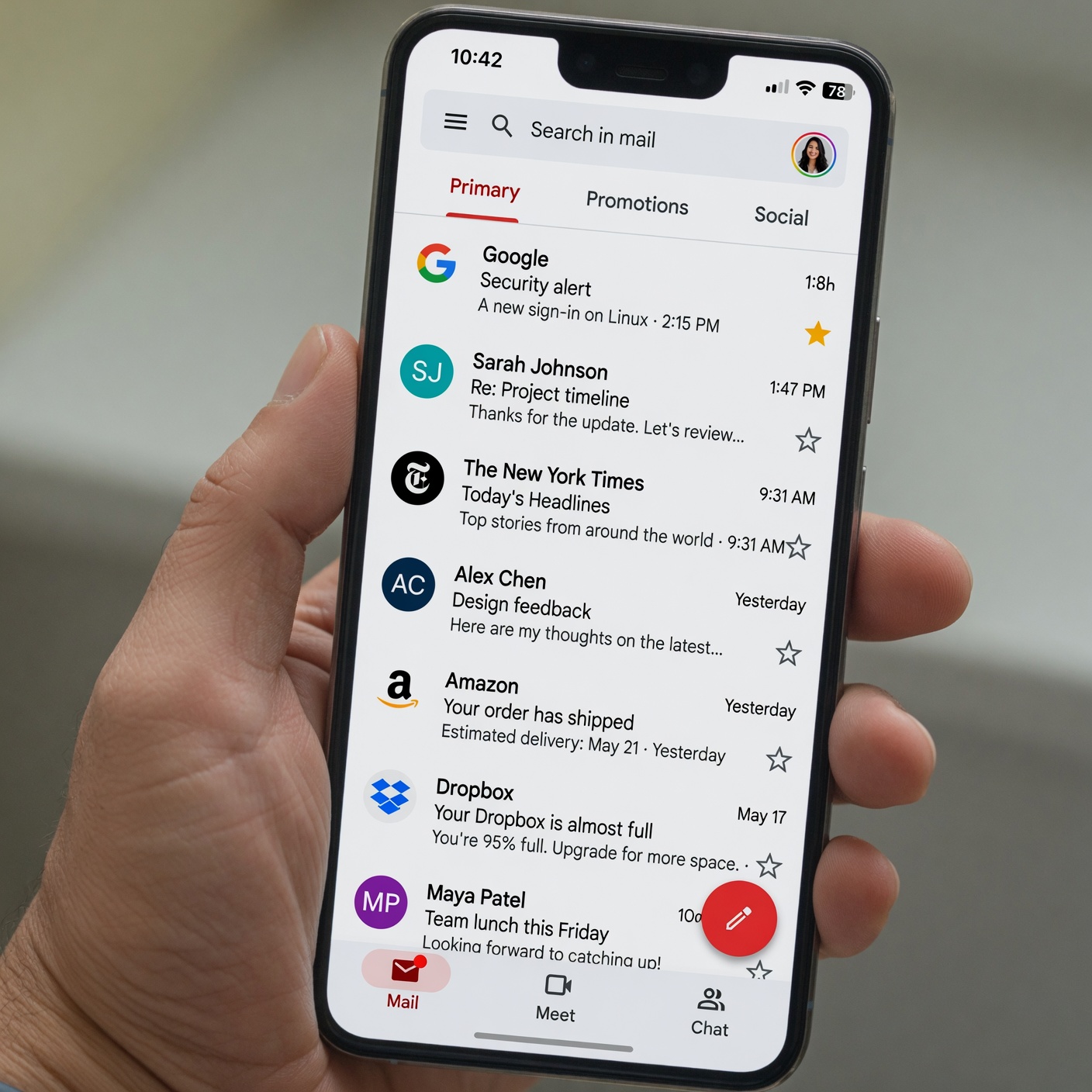
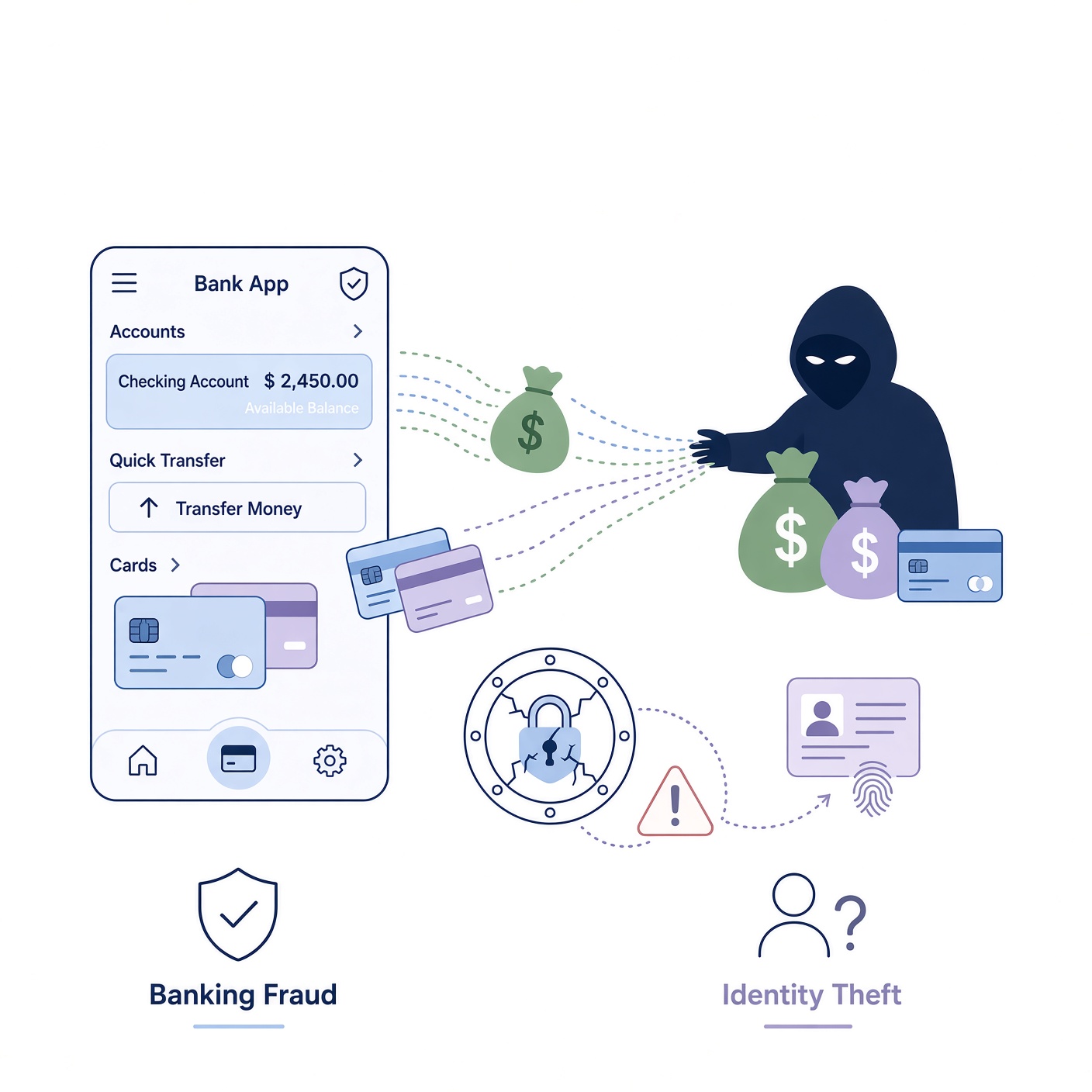
In an era where digital transactions dominate daily life, security measures have evolved to protect our most sensitive assets. Among the most common defenses are multi-factor authentication (MFA) and two-factor authentication (2FA), typically verified through a unique code sent via SMS, email, or an authenticator app. These codes act as digital keys, standing between unauthorized intruders and your financial accounts, personal data, and digital identity.
Despite widespread awareness campaigns, social engineering attacks continue to target these very defenses. One of the most insidious and prevalent tactics involves attackers tricking individuals into revealing their verification codes over the phone. Understanding the mechanics of these scams, the psychological triggers they exploit, and the structural protocols behind modern security can help you safeguard your financial wellness.
The Anatomy of a Verification Code Scam

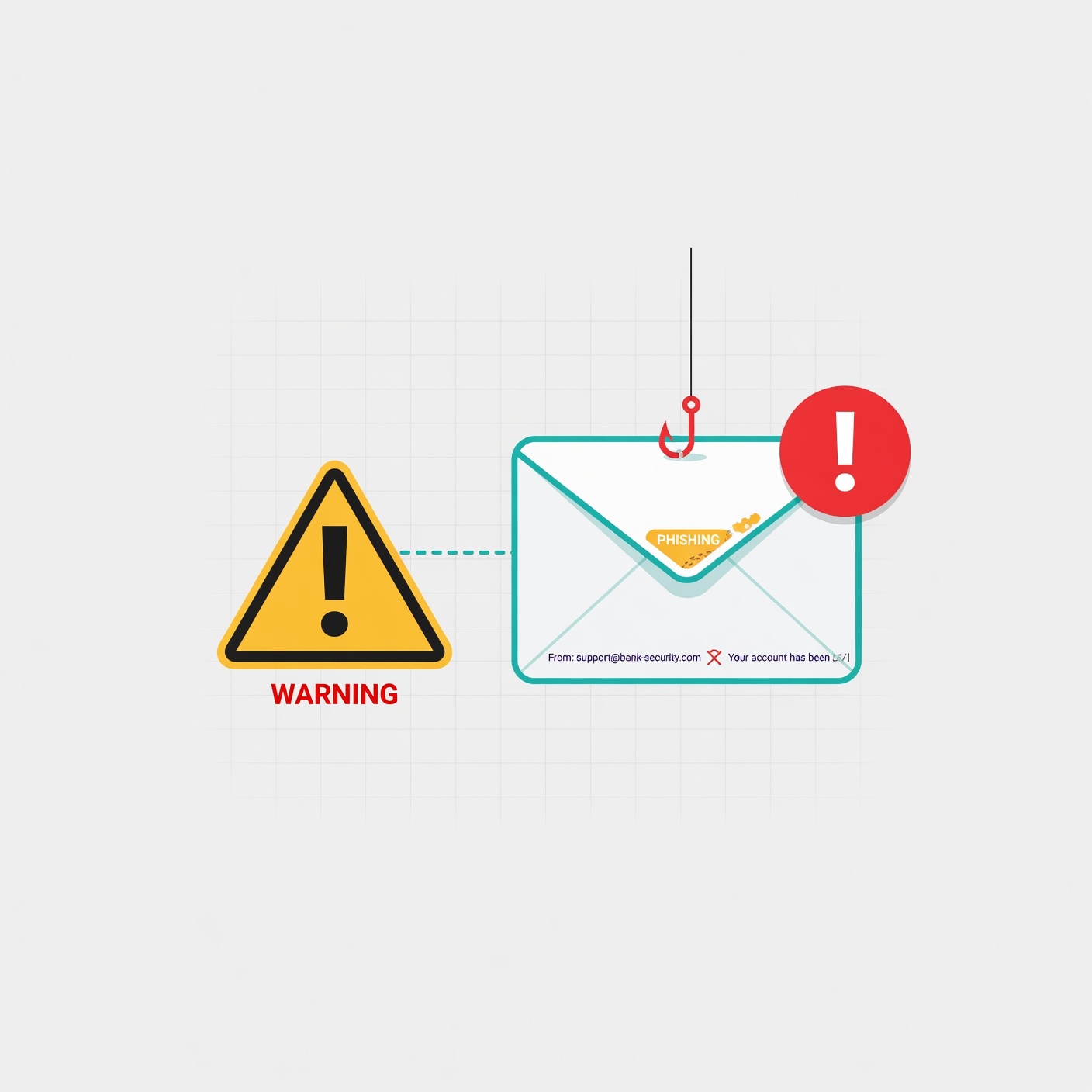
Scammers rarely rely on brute-force technological attacks when human manipulation is far easier and more effective. Phone-based verification code scams—often categorized as a form of “vishing” (voice phishing)—usually follow a carefully scripted playbook designed to induce panic, urgency, or artificial trust.
Typically, the attack begins with an unexpected phone call. The caller ID might be spoofed to display the name of a trusted institution, such as your bank, a credit card issuer, a major tech company, or a government agency. The voice on the other end is often calm, professional, and authoritative.
The scammer will typically claim that an emergency has occurred:
-
Suspicious Activity: They allege that a fraudulent transaction or unauthorized login attempt is currently in progress on your account.
-
Account Compromise: They claim your security settings have been breached and immediate action is required to freeze or secure your funds.
-
Service Interruption: They warn that your account will be locked or permanently closed unless you verify your identity right away.
To “resolve” the crisis, the scammer requests the one-time passcode (OTP) that has just been sent to your mobile device. They might frame this request innocently, saying, “I am sending a security prompt to your phone right now; just read me the six digits so I can cancel this fraudulent charge.”
The moment you read those numbers aloud, you hand over the cryptographic key granting access to your account. The scammer immediately inputs the code into their own device, bypassing your secondary authentication layer and locking you out of your own financial ecosystem.
Psychological Triggers: Why Smart People Fall for Vishing
Security vulnerabilities are rarely purely technical; they are deeply psychological. Vishing operators are skilled manipulators who understand how human cognition responds to stress and authority. To protect yourself, it is essential to recognize the psychological triggers these scammers exploit.
1. The Power of Urgency and Panic
When individuals receive a warning that their financial security is in immediate jeopardy, the brain’s emotional center (the amygdala) activates, often overriding rational, analytical thought. Scammers deliberately manufacture a high-pressure environment where pausing to think feels dangerous. They rush you, demanding immediate compliance to “save” your money.
2. Appeal to Authority
Humans are culturally conditioned to respect and obey authority figures, including bank representatives, fraud investigators, and law enforcement officers. Scammers weaponize this trust by using formal jargon, referencing internal security policies, or transferring you through simulated automated phone trees to make the interaction feel authentic.
3. Compliance and the Desire to Cooperate
Most people are naturally cooperative and polite. When an individual on the phone speaks to you with extreme courtesy and offers to solve a stressful problem for you, a psychological contract of reciprocity is formed. You want to be helpful, and the scammer exploits that instinct to turn you into an unwitting accomplice in your own breach.
The Golden Rule of Digital Security: No Legitimate Institution Will Ever Ask for Your Code
The single most powerful rule in digital financial security is deceptively simple: No legitimate bank, credit card issuer, payment processor, or technical support service will ever call you and ask for your verification code.
Verification codes are designed strictly for self-service authentication. They are meant to be entered solely by you, into a verified application, website, or automated system that you initiated.
-
If you initiated the contact: Calling your bank’s official customer service number because you need assistance with a login is a secure action. Even in these scenarios, customer service agents do not need your password or your real-time SMS verification code to assist you; they verify your identity through alternative means, such as account numbers, security questions, or biometric verification within a secure banking app.
-
If the institution initiated the contact: An incoming call, text message, or email claiming to be from your bank should always be treated with profound skepticism. If the caller asks for a code, pin, or password, it is a definitive indicator of fraudulent activity.
The Mechanics of Multi-Factor Authentication and Why Codes Matter
To appreciate why verification codes are so fiercely targeted, it helps to understand how modern authentication frameworks operate.
Authentication is fundamentally built upon three primary factors:
-
Something you know: Passwords, PINs, or security questions.
-
Something you have: A smartphone, a hardware security key, or a physical token.
-
Something you are: Biometric data like fingerprints or facial recognition.
Traditional passwords (“something you know”) have proven inherently vulnerable due to data breaches, credential stuffing, and weak human memory. Passwords can be stolen, guessed, or intercepted. To counteract this, multi-factor authentication was introduced to require a second, distinct factor—typically “something you have,” represented by a temporary verification code sent to your trusted device.
When a scammer tricks you into reading a verification code over the phone, they successfully bridge the gap between “something you know” (your stolen or guessed password) and “something you have” (your phone). By acquiring your code, the attacker convinces the financial institution’s servers that the login attempt originating from their unauthorized device is genuinely coming from you. Once that barrier is crossed, the security architecture treats the attacker as the legitimate account holder, granting them full permissions to transfer funds, change passwords, and update recovery information.
Advanced Social Engineering Tactics Used by Modern Fraudsters

Phone-based scams have evolved far beyond simple guessing games. Modern fraud syndicates employ sophisticated technology and rigorous reconnaissance to make their attacks nearly indistinguishable from reality.
Caller ID Spoofing
Technology allows bad actors to manipulate the caller ID data transmitted over telecommunication networks. When your phone rings, the display may show the exact toll-free customer service number printed on the back of your debit card. Never trust caller ID alone; malicious actors can make a call appear to come from any number worldwide.
Synthetic Voices and Artificial Intelligence
Advanced operations have begun experimenting with voice cloning and generative artificial intelligence. While traditional vishing relied on human actors with varying accents or scripts, emerging threats involve synthesized voices that can mimic real corporate executives, customer service representatives, or even family members with startling accuracy.
Piggybacking on Previous Data Breaches
Scammers rarely call completely blind. They frequently cross-reference data dumps from previous corporate security breaches. Before making the call, they may already know your full name, home address, email, partial social security number, and the name of your primary banking institution. When they recite this accurate personal information at the beginning of the call, it disarms your skepticism, making you much more vulnerable when they eventually ask for the verification code.
Defensive Strategies to Protect Your Financial Accounts
Safeguarding your financial life requires a proactive security posture. Implementing structural defenses and behavioral habits can drastically reduce your vulnerability to phone-based social engineering.
1. Hang Up and Call Back
If you receive an unexpected call claiming to be from your bank, utility provider, or any financial institution regarding an urgent security issue, do not engage.
-
Politely state that you will handle the matter yourself.
-
Hang up the phone immediately.
-
Locate the official, verified customer service number printed on the back of your payment card or official account statement.
-
Dial that number from your own phone to independently verify whether the institution actually attempted to contact you.
2. Recognize That Banks Do Not Act Like Scammers
Real financial institutions understand the severe risks of social engineering. Fraud departments are trained to guide customers toward secure internal workflows. A genuine fraud representative will never pressure you to read a code aloud, nor will they ask you to download remote-desktop software, transfer money to a “safe account,” or purchase cryptocurrency to secure your assets.
3. Upgrade to Advanced Authentication Methods
While SMS-based verification codes are vastly superior to having no multi-factor authentication at all, they remain vulnerable to SIM-swapping and interception. Whenever possible, upgrade your accounts to secure authentication alternatives:
-
Authenticator Apps: Apps like Google Authenticator, Microsoft Authenticator, or Authy generate time-based one-time passwords (TOTP) locally on your device without relying on cellular SMS networks.
-
Hardware Security Keys: Physical security keys (such as YubiKeys) utilize cryptographic protocols that are completely immune to remote phishing and vishing attacks, as they require physical touch or near-field communication to authorize access.
4. Educate Your Network
Financial fraud frequently targets vulnerable demographics, including older adults or younger individuals who may be less familiar with evolving digital threats. Share these safety principles with family members, friends, and colleagues. Open conversations about the mechanics of vishing create a community barrier against manipulation.
What to Do If You Fall Victim to a Scam
Even the most vigilant individuals can occasionally fall prey to sophisticated manipulation under extreme stress. If you realize you have shared a verification code over the phone, swift, decisive action can mitigate the damage.
Step 1: Secure Your Accounts Immediately
If you still have access to your primary login, log in immediately and change your account passwords. Terminate any active sessions across all devices. If the scammer has already changed your credentials, use the automated account recovery tools provided by the platform.
Step 2: Contact Your Financial Institution
Call your bank or financial service provider’s dedicated fraud department immediately. Inform them that your account has been compromised via social engineering and request that they freeze unauthorized transactions, place a temporary hold on your accounts, and monitor for suspicious activity.
Step 3: Review Recovery Information
Check your account security settings to ensure the scammer has not added their own phone number, recovery email address, or trusted device to your profile. Remove any unauthorized contact methods immediately.
Step 4: Report the Incident
Reporting fraudulent activity helps authorities track emerging criminal networks. Depending on your jurisdiction, report the incident to consumer protection agencies, internet crime complaint centers, or local law enforcement authorities to create an official record.
Maintaining Long-Term Digital Resilience
Financial security is not a single action, but an ongoing practice of mindfulness, skepticism, and structural defense. As technology advances, scammers will undoubtedly continue to refine their social engineering techniques, shifting from basic phone calls to more immersive digital manipulations.
However, the fundamental vulnerability they exploit remains the same: human compliance. By adopting an unwavering rule never to share a verification code over the phone—regardless of how urgent, official, or convincing the caller may seem—you erect an impenetrable human firewall around your financial life. Prioritize verification through independence, rely on self-service channels, and remember that when it comes to your digital keys, absolute secrecy is your strongest protection.