Where to Keep Your Emergency Fund Safely
Learn the safest places to keep your emergency fund accessible and protected

Building an emergency fund is the single most important step in achieving financial peace of mind. It’s the “sleep-at-night” fund that stands between you and high-interest debt when life throws a curveball—be it a sudden job loss, an unexpected medical bill, or a major car repair.
However, once you’ve done the hard work of saving that money, a new question arises: Where exactly should you put it?
If you leave it in a standard checking account, you might accidentally spend it. If you put it under your mattress, inflation will eat its value. If you invest it in the stock market, a sudden downturn could wipe out 20% of your safety net just when you need it most.
This guide explores the best, safest, and most efficient places to store your emergency fund to ensure it’s there when you need it while still working for you.
The Core Criteria: What Makes a Good Emergency Fund Home?

Before we dive into specific accounts, we need to establish the three pillars of emergency fund storage. Any account you choose must meet these requirements:
1. Liquidity (Instant Accessibility)
An emergency doesn’t give you a two-week notice. You need to be able to access your cash almost instantly. If your money is locked in a long-term investment or a physical asset that takes weeks to sell, it’s not an emergency fund; it’s just an investment.
2. Safety of Principal
The goal of this money is not to make you rich; it’s to keep you safe. You cannot afford to lose the “principal” (the original amount you put in). This means avoiding volatile assets like stocks, crypto, or long-term bonds.
3. Competitive Yield (APY)
While safety is priority number one, you shouldn’t settle for 0.01% interest. In a world where inflation fluctuates, your money needs to earn a decent Annual Percentage Yield (APY) to maintain its purchasing power.
Best High-Yield Savings Accounts for Emergency Funds 2026
For the vast majority of people, a High-Yield Savings Account (HYSA) is the gold standard for emergency savings. These accounts are typically offered by online banks rather than traditional “brick-and-mortar” institutions.
Why Choose an HYSA?
Online banks have lower overhead costs than physical banks—they don’t have to pay for thousands of buildings or utility bills. They pass these savings on to you in the form of much higher interest rates.
-
FDIC Insurance: Ensure the bank is backed by the Federal Deposit Insurance Corporation. This protects up to $250,000 per depositor, per institution.
-
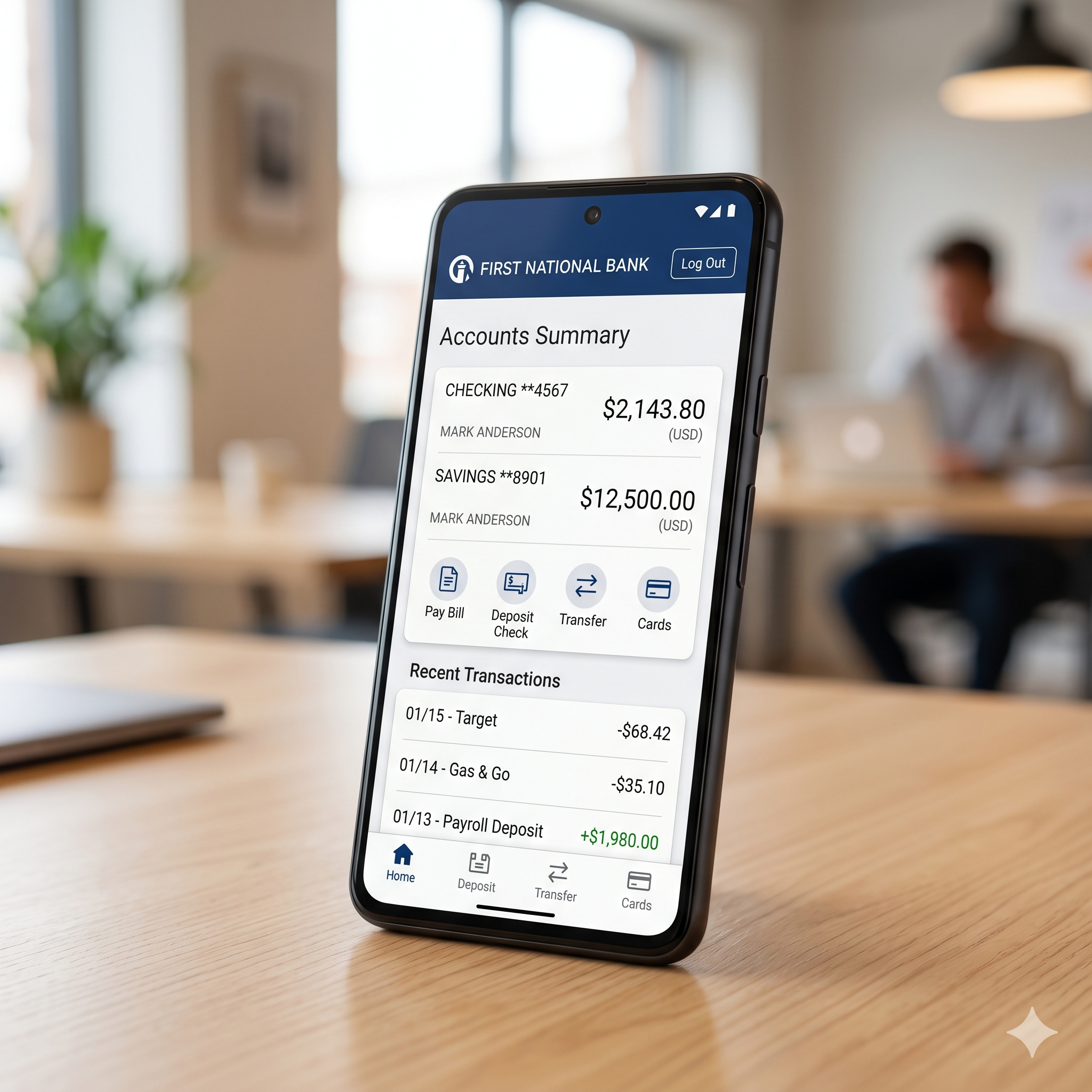
Ease of Use: Most modern HYSAs have excellent mobile apps, allowing you to transfer money to your external checking account within 1-3 business days.
-
No Risk: Your balance will never go down (unless you withdraw money).
Advanced SEO Tip: Look for “Bucket” Features
Some high-yield banks offer “buckets” or “vaults.” This allows you to visually separate your “Car Repair Fund” from your “Medical Emergency Fund” within the same account, which helps with psychological discipline.
Money Market Accounts: The Hybrid Solution for Quick Access
If you are worried about the 1-3 day delay of an HYSA, a Money Market Account (MMA) might be your best bet.
The Best of Both Worlds
An MMA combines the features of a savings account with the convenience of a checking account.
-
Debit Card & Check Writing: Many MMAs come with a debit card or limited check-writing capabilities. This means if your furnace breaks on a Sunday night, you can pay the repairman immediately without waiting for a bank transfer.
-
Tiered Interest Rates: Often, the more you save, the higher your interest rate becomes.
-
NCUA or FDIC Protected: Just like savings accounts, these are insured by the government.
Note: Be sure to check for “Minimum Balance Requirements.” Some MMAs require you to keep $5,000 or $10,000 in the account to avoid monthly maintenance fees.
No-Penalty Certificates of Deposit (CDs): Locking in Rates Safely
Traditional CDs are usually a bad idea for emergency funds because they charge a “penalty” (often several months of interest) if you withdraw the money early. However, No-Penalty CDs have changed the game.
When to Use a No-Penalty CD
If interest rates are predicted to drop soon, you can use a No-Penalty CD to “lock in” a high rate for 12 or 18 months.
-
Break it Anytime: Unlike a standard CD, you can withdraw the full balance (plus interest earned) at any time after the first week without paying a dime in fees.
-
Higher Rates: Sometimes, these offer slightly higher yields than a standard savings account.
Cash Management Accounts (CMAs): The Modern Fintech Option

Cash Management Accounts are typically offered by non-bank financial institutions, like online brokerages (e.g., Fidelity, Vanguard, or Betterment).
How CMAs Work
The brokerage doesn’t actually hold your money. Instead, they “sweep” your cash into several partner banks.
-
Increased Insurance: Because your money is spread across multiple banks, you can sometimes get up to $1 million or $2 million in FDIC insurance, which is far more than a single bank offers.
-
High Yields: These accounts are designed to compete with the best HYSAs on the market.
-
Consolidated View: If you already have an investment account with a brokerage, keeping your emergency fund in their CMA allows you to see your entire financial life in one app.
The Tiered Emergency Fund Strategy: Maximizing Interest and Liquidity
One advanced technique used by financial experts is “tiering” the emergency fund. Instead of keeping all $20,000 in one place, you split it based on “speed of need.”
Tier 1: Immediate Cash (1 Month of Expenses)
Keep this in a Money Market Account or a basic savings account linked to your checking account. You can access this in minutes. It’s for the “right now” emergencies.
Tier 2: The Core Buffer (2-5 Months of Expenses)
Keep this in a High-Yield Savings Account. It earns more interest but might take 48 hours to transfer. Since Tier 1 covers the first few days of an emergency, the 48-hour delay for Tier 2 doesn’t matter.
Tier 3: The Inflation Hedge (Optional)
Some people keep the final month of their fund in Series I Savings Bonds or Ultra-Short-Term Treasury Bills. These take longer to liquidate but provide the best protection against high inflation.
Where NOT to Keep Your Emergency Fund: Common Mistakes
Many people try to be “too smart” with their emergency fund and end up regretting it. Avoid these locations:
| Location | Risk Level | Why It’s a Bad Idea |
| Stock Market (Index Funds) | High | The market could crash 30% right when you lose your job. |
| Cryptocurrency | Extreme | Volatility is too high; your $10k could become $5k overnight. |
| Physical Cash at Home | Moderate | Risk of theft, fire, or simple loss. Zero interest earned. |
| Rotational Rotating Credit | High | Depending on credit cards is not a fund; it’s just delayed debt. |
| Long-Term Bonds | Low/Moderate | If interest rates rise, the value of the bond drops. |
Tax Considerations: Don’t Forget Uncle Sam
It is a common misconception that “savings” aren’t taxed. In the United States and many other jurisdictions, the interest you earn on your emergency fund is considered “Taxable Income.”
-
Form 1099-INT: If you earn more than $10 in interest during the year, your bank will send you this form.
-
Tax Rate: This interest is usually taxed at your “Ordinary Income” tax rate, not the lower “Capital Gains” rate.
-
Planning: If you have a large emergency fund ($50k+) earning 4.5% interest, you could owe hundreds in taxes. Be sure to set aside a small portion of the interest earned to cover your tax bill in April.
Psychological Security: Out of Sight, Out of Mind

One of the biggest threats to an emergency fund isn’t the economy—it’s you. When you see a large balance in your main banking app, it’s tempting to dip into it for a “vacation emergency” or a “new couch emergency.”
The “Separate Bank” Rule
Open your emergency fund at a different bank than your daily checking account.
-
Remove the Temptation: You won’t see the balance every time you buy groceries.
-
Friction is Good: Having to wait 24 hours for a transfer forces you to pause and ask: “Is this a real emergency?”
Take Action Today
The best place for your emergency fund is a High-Yield Savings Account or a Money Market Account that is FDIC-insured and separated from your spending money.
Financial security isn’t about how much you make; it’s about how much you keep and how well you protect it. Start by moving your stagnant savings into a high-yield environment today. Your future self will thank you when the unexpected happens.
Frequently Asked Questions (FAQ)
Q: How many months of expenses should I save?
A: The standard advice is 3-6 months. However, if you are self-employed or have a single-income household, aim for 9-12 months for extra safety.
Q: Is it safe to use an online-only bank?
A: Yes, as long as they are FDIC insured. Online banks like Ally, Marcus by Goldman Sachs, and SoFi are massive, regulated institutions.
Q: Should I pay off debt before building an emergency fund?
A: Always keep a “Starter Emergency Fund” of $1,000 to $2,000 first. This prevents you from going deeper into debt when a small problem arises while you are paying off your credit cards.