Financial
How to Divide Your Income Between Bills, Savings, and Leisure
Learn how to divide your income between bills, savings, and leisure while keeping your budget balanced

Mastering your personal finances often feels like an uphill battle, especially when you are trying to balance the immediate demands of everyday life with long-term aspirations. Between rising living costs, unexpected expenses, and the natural desire to enjoy the fruits of your labor, figuring out where your hard-earned money should go can be overwhelming. Without a clear framework, income tends to slip through the cracks, leaving you wondering why your bank account balance doesn’t reflect your hard work.
Achieving true financial stability and peace of mind requires more than just earning a higher salary; it requires intentional allocation. When you give every dollar a specific job, you eliminate financial anxiety and build a predictable path toward wealth creation and personal fulfillment. This comprehensive guide explores how to strategically divide your income between bills, savings, and leisure using proven allocation models, behavioral psychology, and practical execution strategies tailored for the modern lifestyle.
Understanding the Psychology of Money Management
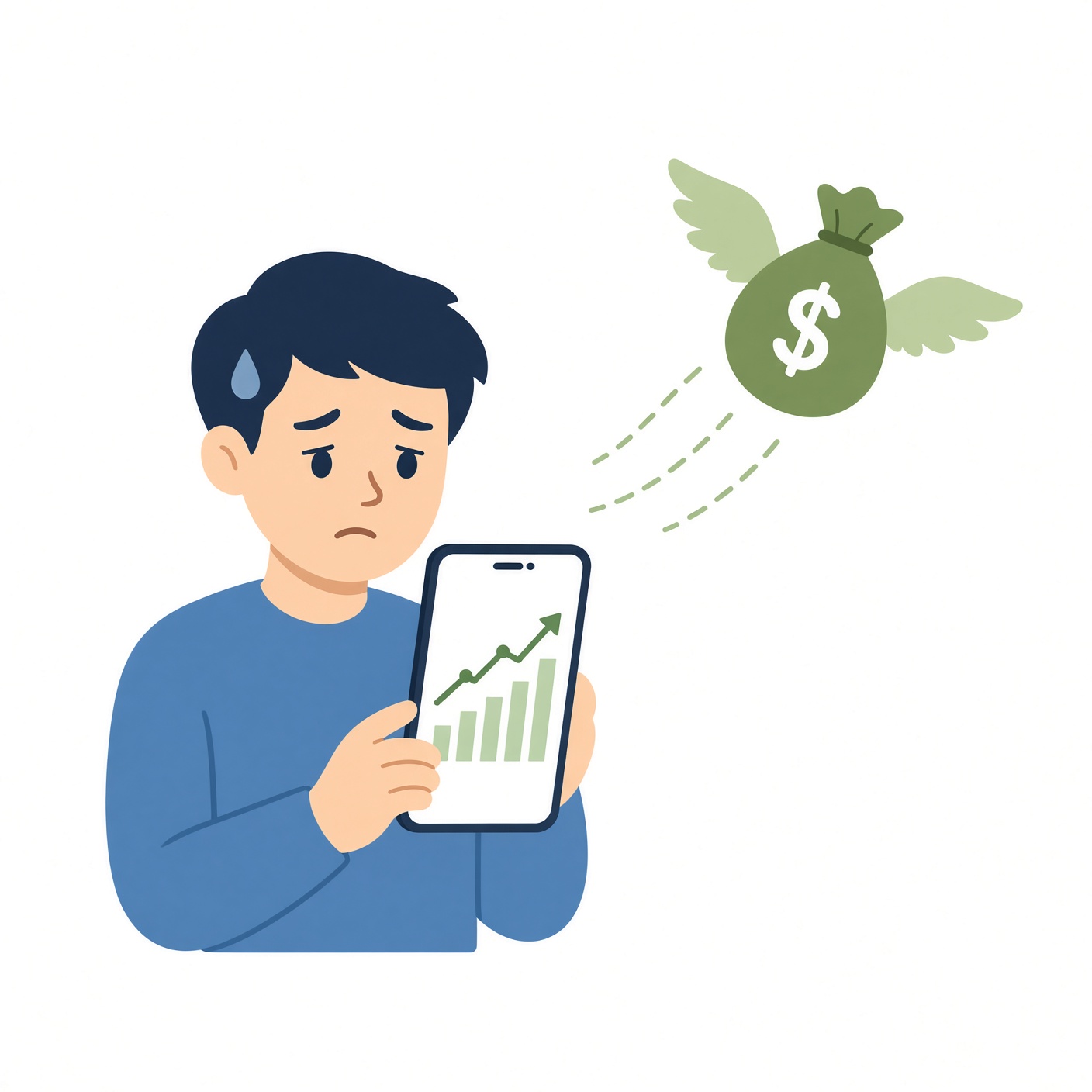
Before diving into specific percentage breakdowns and budgeting frameworks, it is essential to examine your relationship with money. Traditional budgeting advice often fails because it treats personal finance as a purely mathematical exercise. In reality, managing money is deeply psychological. Every spending decision is influenced by your upbringing, emotional state, societal pressures, and cognitive biases.
When a budget feels restrictive—like a strict diet that bans all your favorite foods—it almost always leads to burnout and financial rebellion. This is why successful financial management must account for human nature. You cannot realistically cut out all forms of entertainment or short-term gratification without eventually snapping and overspending.
A sustainable financial plan embraces balance. It acknowledges that paying your future self through savings is vital, but it also recognizes that feeding your soul through leisure and recreation keeps you motivated to maintain your financial habits over the long haul. By framing budgeting not as a restriction, but as a tool for intentional living, you shift your mindset from scarcity to abundance.
The Core Framework: Popular Income Allocation Models
To take the guesswork out of dividing your income, financial experts have developed several structural frameworks. The most effective approach is one that automates your financial life, reducing the need for constant daily decision-making.
The 50/30/20 Rule Explained
Popularized by financial experts, the 50/30/20 rule is one of the most accessible and effective frameworks for managing after-tax income. It divides your net monthly earnings into three distinct buckets:
-
50% for Needs: Fixed and variable expenses required for basic survival and functioning.
-
30% for Wants: Lifestyle choices, discretionary spending, entertainment, and personal hobbies.
-
20% for Financial Goals: Debt repayment beyond minimums, emergency funds, and long-term investments.
This model provides a healthy baseline because it guarantees that half your income covers your necessities, nearly a third allows for lifestyle enjoyment, and a fifth secures your financial future. However, depending on your geographic location, cost of living, and income level, these percentages can be adjusted to fit your unique circumstances.
Zero-Based Budgeting for Maximum Control
If you prefer a more granular approach, zero-based budgeting requires you to account for every single dollar you earn before the month begins. The goal is simple: your total income minus your total allocations (savings, bills, and leisure) must equal zero.
This does not mean you spend your entire paycheck down to the last cent. Rather, it means every dollar has an assigned destination. If you earn five thousand dollars a month, every dollar of that five thousand is categorized into housing, grocery bills, retirement contributions, or vacation funds. This method prevents lifestyle inflation and mindless spending because any surplus cash is intentionally directed toward savings or investments rather than evaporating into miscellaneous purchases.
Mastering Your Fixed and Variable Expenses (Bills)
The foundation of any solid financial strategy is the “Needs” category—commonly referred to as your bills and obligations. These are the non-negotiables required to maintain your baseline standard of living, housing, health, and career functionality.
Distinguishing Between True Needs and Wants
One of the most common pitfalls in personal finance is mislabeling wants as needs. While you certainly need food to survive, dining out at upscale restaurants four times a week falls firmly into the leisure category. Similarly, while transportation is a necessity, driving a luxury vehicle with a massive monthly payment is a lifestyle choice rather than a fundamental survival requirement.
To accurately divide your income, audit your recurring expenses and categorize them ruthlessly:
-
Housing: Rent or mortgage payments, property taxes, and homeowners insurance.
-
Utilities: Electricity, water, gas, internet, and essential phone services.
-
Groceries: Basic, nutritional food supplies for home preparation.
-
Transportation: Public transit passes or car payments, insurance, and fuel necessary for commuting.
-
Healthcare: Health insurance premiums, essential prescriptions, and regular medical care.
Strategies for Reducing Fixed Overhead
If your bills consume significantly more than fifty percent of your net income, you will find it nearly impossible to save adequately or enjoy your life without accumulating debt. Reducing your fixed overhead is the single most powerful lever you can pull to transform your financial health.
Housing and transportation typically represent the largest chunks of any household budget. Consider strategies such as downsizing your living space, refinancing a high-interest mortgage, or opting for a reliable, fuel-efficient used car instead of a brand-new vehicle. Furthermore, conduct a subscription audit every six months. Cancel streaming services, gym memberships, and software applications that you no longer use actively. Every dollar shaved off your fixed bills is a dollar that can be redirected toward building wealth or enjoying your leisure time.
Building Your Future: The Mechanics of Savings and Wealth
Once your bills are managed, the next critical destination for your income is savings. Neglecting this category leaves you vulnerable to unexpected financial emergencies and delays your journey toward financial independence.
Establishing the Emergency Fund Safety Net
Before aggressive investing or saving for major luxury purchases, your absolute priority should be establishing an emergency fund. Life is inherently unpredictable; job losses, medical emergencies, urgent home repairs, or vehicle breakdowns can occur at any moment.
Financial professionals universally recommend keeping between three to six months’ worth of living expenses in a high-yield savings account that is easily accessible but separate from your everyday checking account. This cash buffer acts as a psychological and financial shield. When an unexpected expense arises, you can handle it smoothly without having to rely on high-interest credit cards or personal loans, keeping your financial life stable and secure.
Short-Term, Medium-Term, and Long-Term Savings Buckets
Savings is not a monolith; it serves different purposes across different time horizons. Organizing your savings into distinct buckets helps you stay focused and prevents you from raiding your long-term investments for short-term desires.
-
Short-Term Goals (0 to 12 months): Funds allocated for upcoming annual expenses, holiday gifts, vehicle maintenance, or a near-future vacation.
-
Medium-Term Goals (1 to 5 years): Capital set aside for a down payment on a home, starting a business, or upgrading essential assets.
-
Long-Term Goals (5+ years): Retirement accounts, wealth-building investments, and passive income streams designed to secure your financial freedom in the decades to come.
Automating these transfers on payday ensures that you pay yourself first. When money moves directly from your paycheck into your savings and investment accounts before you even have a chance to spend it, saving transforms from a conscious chore into an effortless habit.
Cultivating Joy: The Role of Leisure in a Sustainable Budget
Leisure is often viewed by extreme financial minimalists as a wasteful expense that should be minimized at all costs. However, cutting out all leisure spending is a recipe for financial failure. True wealth building is a marathon, not a sprint, and sustainable pacing requires moments of rest, reward, and enjoyment.
Defining Intentional Leisure Spending
Leisure spending encompasses everything that brings you joy, relaxation, and personal enrichment outside of your basic survival needs. This includes dining out with friends, attending concerts, purchasing books, taking vacations, pursuing hobbies, and treating yourself to entertainment.
The key to successful leisure spending is intentionality. Mindless spending—such as buying daily coffee out of habit or purchasing items on impulse during late-night online browsing—rarely provides lasting happiness. Instead, it drains your financial resources with very little emotional return on investment.
Creating a Guilt-Free Spending Allowance
When you establish a dedicated leisure percentage within your income allocation model, you remove the guilt traditionally associated with spending money on yourself. If your budget dictates that you have a specific dollar amount available for discretionary use each month, you can spend every single penny of that allocation completely guilt-free.
This approach transforms your relationship with money. You no longer feel deprived because you have a designated fund for fun. If there is a more expensive experience or luxury item you desire, you can simply practice delayed gratification by saving a portion of your leisure allowance over several months until you can purchase it comfortably without compromising your bills or your savings goals.
Step-by-Step Implementation Guide

Transitioning from a chaotic financial routine to an intentional, structured income allocation model requires a methodical approach. Follow these practical steps to overhaul your personal finances effectively:
Step 1: Calculate Your True Net Income
Begin by determining your exact net monthly income—the actual amount that hits your bank account after taxes, retirement contributions deducted by your employer, and health insurance premiums are subtracted. Do not calculate your budget based on your gross salary, as doing so will lead to overspending.
Step 2: Track Your Current Spending Habits
For at least thirty days, track every single purchase you make. Review your bank and credit card statements to categorize your historical spending. This audit will reveal uncomfortable truths about where your money actually goes, highlighting leakages, mindless subscriptions, and areas where your spending habits do not align with your personal values.
Step 3: Choose Your Allocation Model and Automate
Select the framework that best fits your lifestyle, whether that is the 50/30/20 rule, zero-based budgeting, or a custom variation tailored to your financial goals. Set up automatic transfers so that on every payday, your bills are covered, your savings buckets are funded, and your remaining balance is safely designated for your leisure and discretionary use.
Overcoming Common Budgeting Pitfalls
Even with the best framework in place, you may encounter obstacles along your financial journey. Recognizing these common traps allows you to course-correct before minor slip-ups derail your entire strategy.
Lifestyle Inflation
As your career progresses and your income increases, it is natural for your standard of living to creep upward. You might upgrade your apartment, purchase a more expensive car, or dine at finer restaurants. While enjoying the rewards of your hard work is acceptable, unchecked lifestyle inflation swallows pay raises whole, leaving your savings rate completely stagnant. To combat this, commit to saving a major portion of any future salary increases before upgrading your lifestyle expenses.
Rigidity and Perfectionism
Many people abandon their budgeting plans after a single month of overspending in the leisure category. Personal finance is not about perfection; it is about consistency over time. If you exceed your leisure budget or face an unexpected utility bill spike, do not throw your hands up in despair. Simply adjust your allocations for the following month, learn from the deviation, and keep moving forward.
Conclusion
Dividing your income between bills, savings, and leisure is the ultimate act of taking control of your destiny. By honoring your obligations, securing your future self, and intentionally funding your present enjoyment, you create a harmonious financial ecosystem that supports both stability and happiness. Wealth is not merely about accumulating numbers on a screen; it is about having the freedom, security, and peace of mind to live life on your own terms. Start small, automate your systems, remain consistent, and watch as your intentional financial habits compound into lasting prosperity.