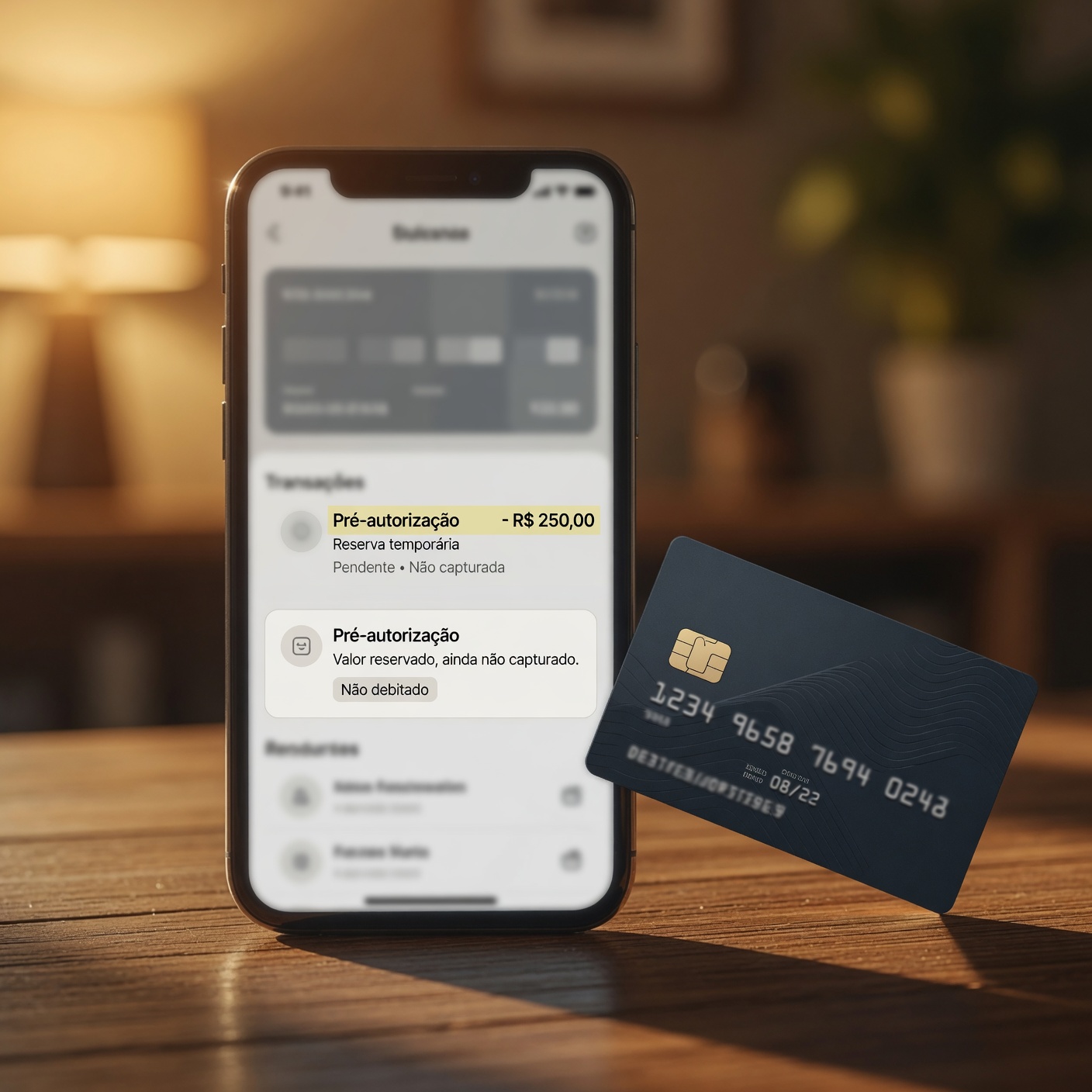
Cash or Installments: The Ultimate Guide to Deciding How to Pay
Understand when it pays to pay in full and when paying in installments might be a better choice
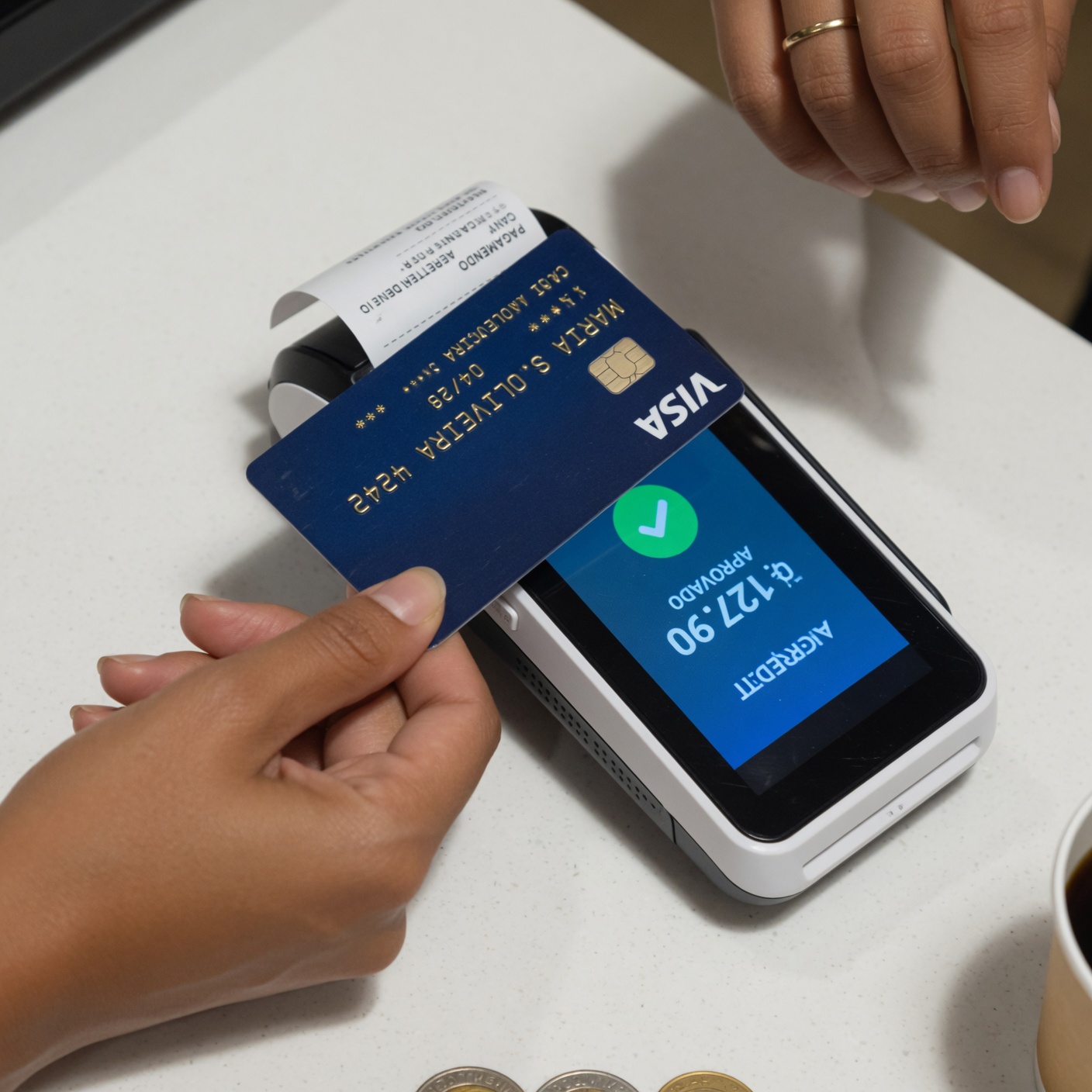
While paying cash or in full upfront provides an immediate sense of completion and freedom from debt, parceling out payments (or using installment plans and credit) can preserve cash flow and offer strategic flexibility. However, without a disciplined approach, installment plans can easily trap you in high-interest cycles and long-term financial stress.
This comprehensive guide explores the psychology, mathematics, and strategic frameworks behind choosing between paying cash or installments. By the end of this article, you will have a clear, actionable methodology to evaluate every purchase and optimize your personal finances.
Understanding the True Cost of Immediate Cash Purchases

Paying in full and upfront is often praised as the ultimate badge of financial prudence. Grandparents and traditional financial advisors have long chanted the mantra: “If you cannot pay cash for it, you cannot afford it.” While this rule of thumb has merit—especially for discretionary purchases and depreciating assets—it requires a closer look when evaluated through a modern financial lens.
The Psychological Relief of Zero Debt
There is undeniable psychological value in walking away from a transaction knowing you owe nothing to anyone. When you buy something outright, you own it 100%. There are no bills arriving next month, no anxiety regarding due dates, and no lingering interest charges building up in the background. This peace of mind reduces financial anxiety and simplifies monthly budgeting significantly.
The Opportunity Cost of Liquid Capital
From a purely mathematical standpoint, however, paying cash carries a hidden price tag known as opportunity cost. Every dollar you hand over immediately is a dollar that can no longer work for you.
- Investment Potential: Cash sitting in a checking account loses purchasing power to inflation. If you spend $2,000 in cash today, you lose the opportunity to invest that money in a high-yield savings account, the stock market, or retirement vehicles where it could compound over time.
- Emergency Buffer Depletion: Depleting your liquid savings to make a large purchase leaves you vulnerable. If an unexpected emergency arises shortly after a major cash purchase, you might find yourself forced to rely on high-interest credit cards or emergency loans simply because your cash is tied up in a physical item.
The Strategic Role of Installments and Financing
In contrast, installment plans and structured financing allow you to break a large purchase down into smaller, predictable periodic payments—typically monthly. When used correctly, installments can be a powerful financial management tool rather than a debt trap.
Preserving Cash Flow and Liquidity
The primary advantage of spreading out payments is liquidity preservation. Cash is the lifeblood of personal finance. Maintaining a healthy buffer of cash provides security against job loss, medical emergencies, or sudden car repairs. By choosing a low-cost or zero-interest installment plan, you acquire the utility of an item today while keeping your cash safely stashed in reserve.
The Magic of Zero-Interest Financing
Many retailers and financial institutions offer promotional financing, such as “0% APR for 12 or 24 months.” From a mathematical perspective, taking a zero-interest installment plan is almost always superior to paying cash, provided you adhere to strict discipline:
- Inflation Advantage: You pay back the exact same nominal dollar amount in the future, but due to inflation, those future dollars are worth slightly less than today’s dollars.
- Yield Generation: The cash you kept can sit in a high-yield savings account or short-term investment, earning interest while you make your monthly installments out of your regular income.
However, the danger lies in human behavior. Many consumers view low monthly payments as an illusion of affordability, leading them to buy things they genuinely cannot afford, accumulating multiple simultaneous installment plans that choke their monthly cash flow.
Psychological Triggers: How Pain of Payment Affects Buying Behavior
Behavioral economics offers fascinating insights into how the method of payment alters our perception of value and cost.
The “Pain of Paying” Phenomenon
Behavioral scientists use the term “pain of paying” to describe the psychological discomfort we feel when handing over money.
- Cash and Debit: Physical cash and immediate debit card deductions trigger a sharp, visceral sense of loss. You physically see your wallet get lighter or your bank account balance drop instantly. This pain acts as a natural behavioral brake, making you think twice before making impulse purchases.
- Credit and Installments: Spreading payments out over time numbs this pain. Because the immediate financial impact feels small (e.g., “only $40 a month for 12 months”), your brain registers the purchase as low-risk. Unfortunately, this numbing effect often leads to overspending, a phenomenon well-documented in consumer research.
Recognizing this psychological trick is vital. Before committing to an installment plan, force yourself to calculate the total cumulative cost rather than focusing exclusively on the monthly installment amount.
Evaluating the Asset: Is It Appreciating, Depreciating, or Consumable?
One of the most reliable frameworks for deciding between cash and installments is examining the nature of what you are buying. Not all purchases are created equal.
| Asset Category | Typical Payment Preference | Strategic Rationale |
|---|---|---|
| Consumables / Services | Cash / Debit (Immediate Pay) | Never finance short-lived expenses |
| Depreciating Assets | Cash or 0% APR Installments | Balance liquidity with total cost |
| Appreciating Assets | Structured Financing / Leverage | Use other people’s money wisely |
1. Consumables and Experiential Purchases
Things like vacations, restaurant meals, concert tickets, and groceries are fleeting. They provide immediate utility or memories but hold no resale value.
Rule: Never finance consumables. If you cannot afford a vacation in cash, you should not put it on a multi-month payment plan or travel credit card that you cannot pay off at the end of the billing cycle. Financing temporary experiences guarantees you are paying interest on memories long after they have faded.
2. Depreciating Assets
Items like automobiles, electronics, furniture, and kitchen appliances begin losing value the moment you take them home.
Rule: For depreciating assets, paying cash is ideal if you have ample savings. However, if a retailer offers true 0% interest financing, taking the installment route while keeping your cash invested can make sense—provided the monthly payment easily fits within your safe spending limits. Never stretch yourself thin on monthly installments for items that lose value rapidly.
3. Appreciating Assets and Investments
Real estate, higher education, and business equipment have the potential to grow in value or increase your earning capacity over time.
Rule: These are the primary categories where strategic debt and installment structures are not only acceptable but often necessary. Using structured financing allows you to acquire income-generating assets without liquidating your entire net worth.
The Mathematics of Interest Rates and Inflation
To make an objective, data-driven decision between cash and installments, you must run the numbers. Emotion often clouds financial judgment, but mathematics provides absolute clarity.
Comparing APR Against Investment Yields
When an installment plan or loan carries an interest rate (Annual Percentage Rate, or APR), compare that rate against your current safe investment return:
- High Interest (Above 7-8%): If the financing rate is high (common with standard credit cards, personal loans, or retail financing), always pay cash. No reliable, risk-free investment consistently beats high interest debt. Paying off or avoiding high-interest installments delivers a guaranteed, tax-free “return” equal to the interest rate you avoid paying.
- Low Interest (Under 3-4%): If you secure a low-interest financing deal, and your cash can earn a higher yield safely in a high-yield savings account or Treasury bills, the math favors taking the installments and letting your cash earn a spread.
The Hidden Trap of Deferred Interest and Fees
Always read the fine print. Many promotional installment plans feature hidden clauses:
- Deferred Interest Traps: If a promotion promises “0% interest if paid in full within 12 months,” but you miss a single payment or have a small balance remaining on month 13, retroactive interest is often charged across the entire original purchase amount at a steep APR (often 25% or higher).
- Origination and Processing Fees: Some installment providers charge hidden setup fees or monthly service charges that completely negate the benefit of a low-interest rate. Always calculate the Total Cost of Ownership (TCO), which includes purchase price, taxes, shipping, interest, and administrative fees.
Building Your Personal Decision-Making Framework
To streamline your choices and eliminate decision fatigue, establish a repeatable framework for every significant purchase. Walk through these key steps before pulling out your debit card or signing an installment agreement:
Step 1: Assess the Necessity and Urgency
Is this purchase a strict necessity (e.g., replacing a broken refrigerator needed to store food) or a discretionary desire (e.g., upgrading to the newest smartphone model)? Necessities often justify utilizing emergency savings or careful financing if cash is tight, whereas luxuries should wait until you have fully saved up the cash.
Step 2: Check Your Emergency Fund Status
Before parting with a large sum of cash, check your emergency fund. Does making this purchase drop your liquid safety net below three to six months of essential living expenses?
- If yes, paying cash is too risky. You should either delay the purchase until your savings rebuild or look for a low-cost, manageable installment plan that protects your cash buffer.
- If no, and you have a robust cushion remaining, paying cash eliminates future obligations and simplifies your financial life.
Step 3: Run the Cost-Benefit Analysis on Financing Terms
If you are leaning toward installments, ask yourself:
- Is the interest rate 0%?
- Are there any hidden setup fees?
- Can I comfortably make this monthly payment without altering my retirement contributions or essential bills?
- Am I buying this item simply because the monthly payment sounds small?
If you can answer yes to the first three and no to the last one, the installment option is likely safe and financially sound.
Common Pitfalls to Avoid When Choosing Payment Methods
Even financially savvy individuals occasionally fall into behavioral and structural traps when managing payment options. Keep these common mistakes on your radar to protect your long-term wealth:
- Lifestyle Inflation via Installments: Using “Buy Now, Pay Later” (BNPL) services for small everyday items like clothing, cosmetics, or takeout meals creates a web of tiny obligations. Individually, these payments seem harmless; collectively, they can quietly consume half of your monthly paycheck.
- Neglecting the Budget Buffer: Never commit your future income to installment payments based on your absolute peak earning month. Always calculate your budget based on your average or conservative baseline income.
- Confusing Cash Flow with Affordability: Just because you can afford the monthly payment does not mean you can afford the item. This distinction is the single biggest trap in modern consumer finance. Always evaluate whether the total price tag aligns with your overall financial priorities and net worth goals.
Summary and Final Checklist

Deciding whether to buy items with cash or through installments does not have to be an emotional guessing game. By combining behavioral awareness with mathematical logic, you can protect your wealth and maintain peace of mind.
To recap the core principles:
- Prioritize Cash for consumables, experiences, and high-interest financing scenarios.
- Utilize Strategic Installments only when promotional rates (like 0% APR) allow you to preserve liquid emergency funds and generate higher returns elsewhere safely.
- Evaluate Total Cost, never letting low monthly payments trick you into buying assets beyond your means.
- Protect Your Liquidity, ensuring that major purchases never compromise your foundational financial security.
By applying these disciplined rules to your everyday purchasing decisions, you will take control of your cash flow, eliminate unnecessary debt, and build a more resilient financial future.