Books
What Books Shape the World’s Greatest Financial Minds?
See which books are recommended by major figures in the financial market
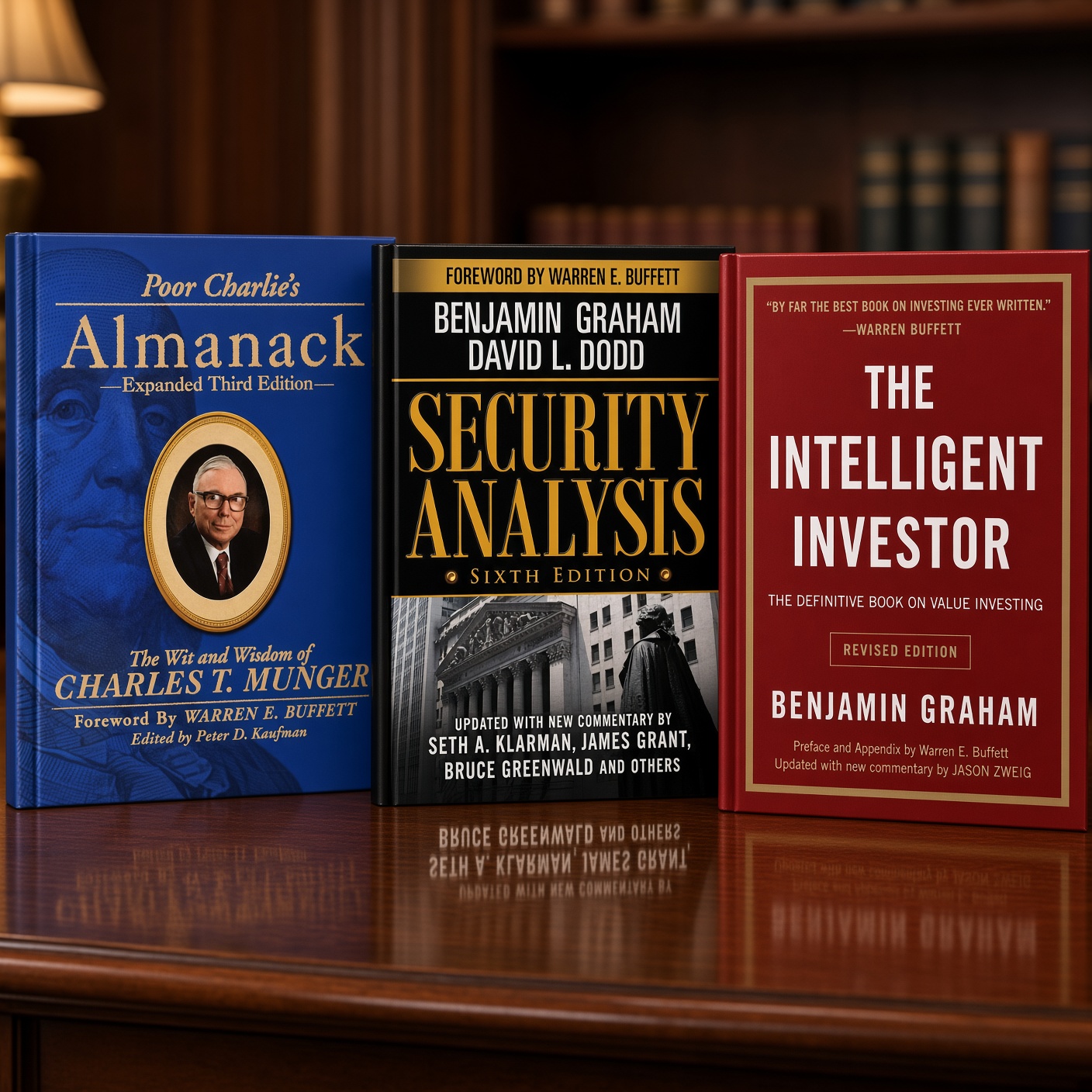
The path to building lasting wealth is rarely paved by luck. Instead, it is forged through relentless curiosity, emotional discipline, and a deep understanding of human psychology, economic history, and business fundamentals. If you examine the reading habits of legendary investors like Warren Buffett, Charlie Munger, Ray Dalio, and Howard Marks, a fascinating pattern emerges. These titans of capital do not spend their time reading quarterly earnings reports or financial journalism alone; they immerse themselves in timeless literature that teaches them how to think, not what to think.
For anyone looking to elevate their investment strategy and build a robust financial future, studying the favorite books of market masters provides a powerful roadmap. This comprehensive guide explores the essential volumes that have shaped the philosophies of the world’s most successful investors, breaking down the core principles you can apply directly to your own portfolio and financial journey.
1. Warren Buffett and the Philosophy of Value Investing
Warren Buffett, the Chairman and CEO of Berkshire Hathaway, is widely regarded as one of the most successful investors in history. Buffett has famously attributed a massive portion of his early and ongoing success to a single book written by his mentor, Benjamin Graham.
The Intelligent Investor by Benjamin Graham
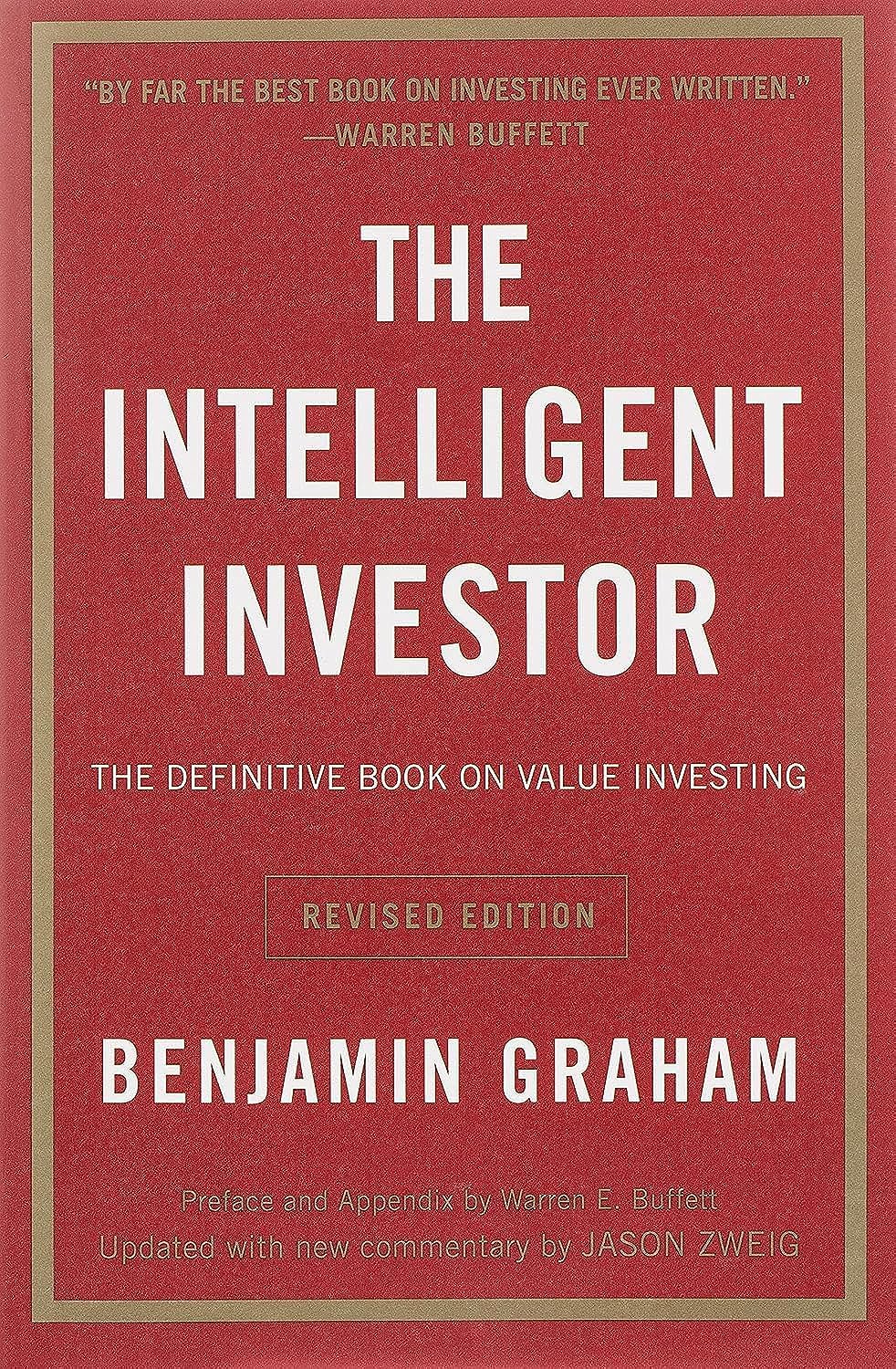
Often hailed as the bible of value investing, The Intelligent Investor teaches readers how to analyze securities, manage risk, and maintain emotional detachment from market fluctuations.
-
Mr. Market Metaphor: Graham introduces the concept of “Mr. Market,” a manic-depressive business partner who daily offers to buy or sell your shares at different prices. Understanding that Mr. Market is there to serve you—not to guide you—is critical for resisting panic during downturns.
-
Margin of Safety: The cornerstone of Buffett’s strategy is the margin of safety. By purchasing a stock at a significant discount to its intrinsic value, an investor creates a buffer against calculation errors, bad luck, or unexpected macroeconomic shocks.
Security Analysis by Benjamin Graham and David Dodd
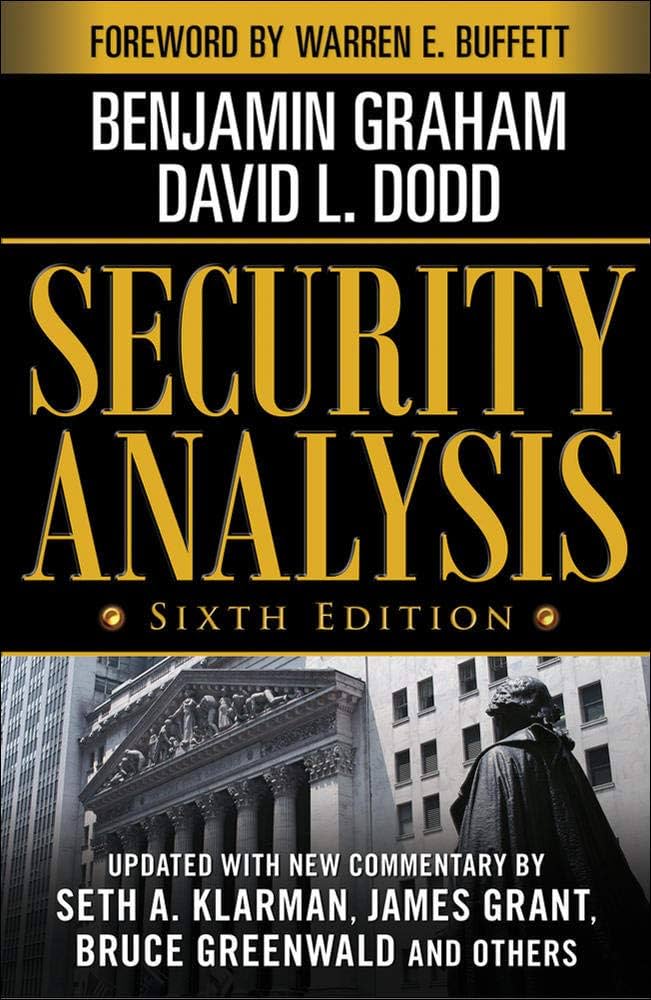
For those looking to dive even deeper, Buffett considers Security Analysis to be the foundational textbook of his career. While dense and rigorous, it trains the mind to look past market hype and focus strictly on corporate balance sheets, cash flows, and asset valuation.
2. Charlie Munger and the Latticework of Mental Models
Charlie Munger, Buffett’s longtime business partner and intellectual sparring partner, was a firm believer that true wisdom comes from mastering multiple disciplines rather than focusing solely on finance. Munger advocated for a “latticework of mental models,” drawing from psychology, history, mathematics, biology, and physics.
Poor Charlie’s Almanack edited by Peter D. Kaufman
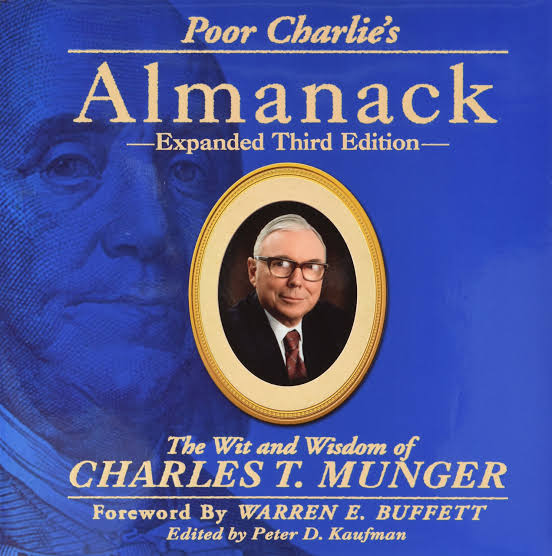
While not a traditional investment manual, this collection of Munger’s speeches, talks, and thoughts is an absolute masterclass in decision-making and cognitive biases.
-
Avoiding Stupidity: Munger famously noted that it is remarkable how much long-term advantage people like us have gotten by trying to be consistently not stupid, instead of trying to be very intelligent.
-
The Psychology of Human Misjudgment: Munger catalogs numerous psychological traps—such as confirmation bias, overconfidence, and incentivization errors—that derail even the most experienced investors. Recognizing these internal pitfalls is crucial for protecting capital.
Influence: The Psychology of Persuasion by Robert Cialdini
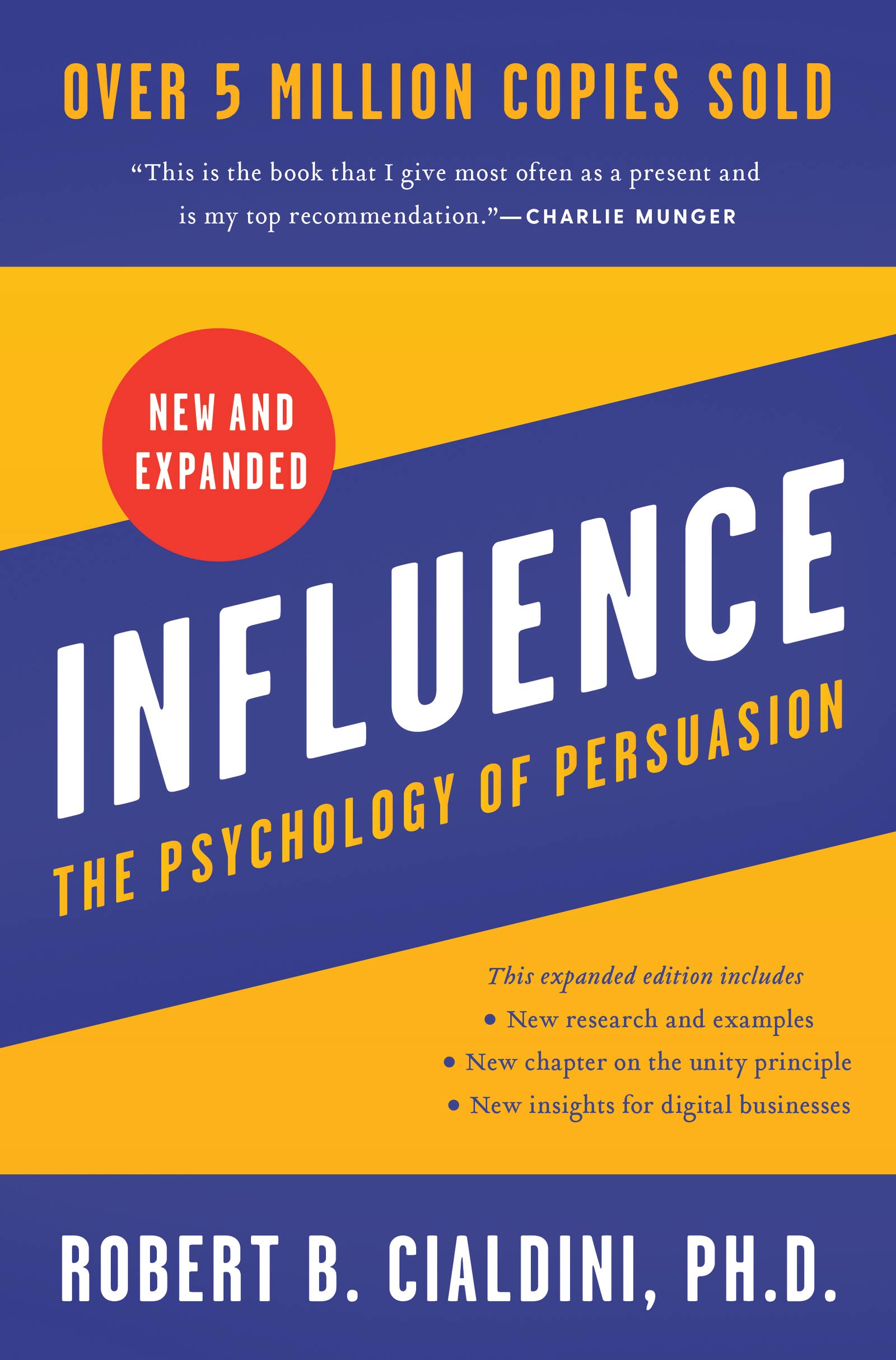
Munger frequently recommended Cialdini’s work because understanding how people are persuaded helps investors evaluate corporate management teams, consumer behavior, and market trends with piercing clarity.
3. Ray Dalio and the Mechanics of Economic Cycles
Ray Dalio, founder of Bridgewater Associates—the world’s largest hedge fund—approaches investing through the lens of macroeconomics, radical transparency, and systemic principles.
Principles: Life and Work by Ray Dalio
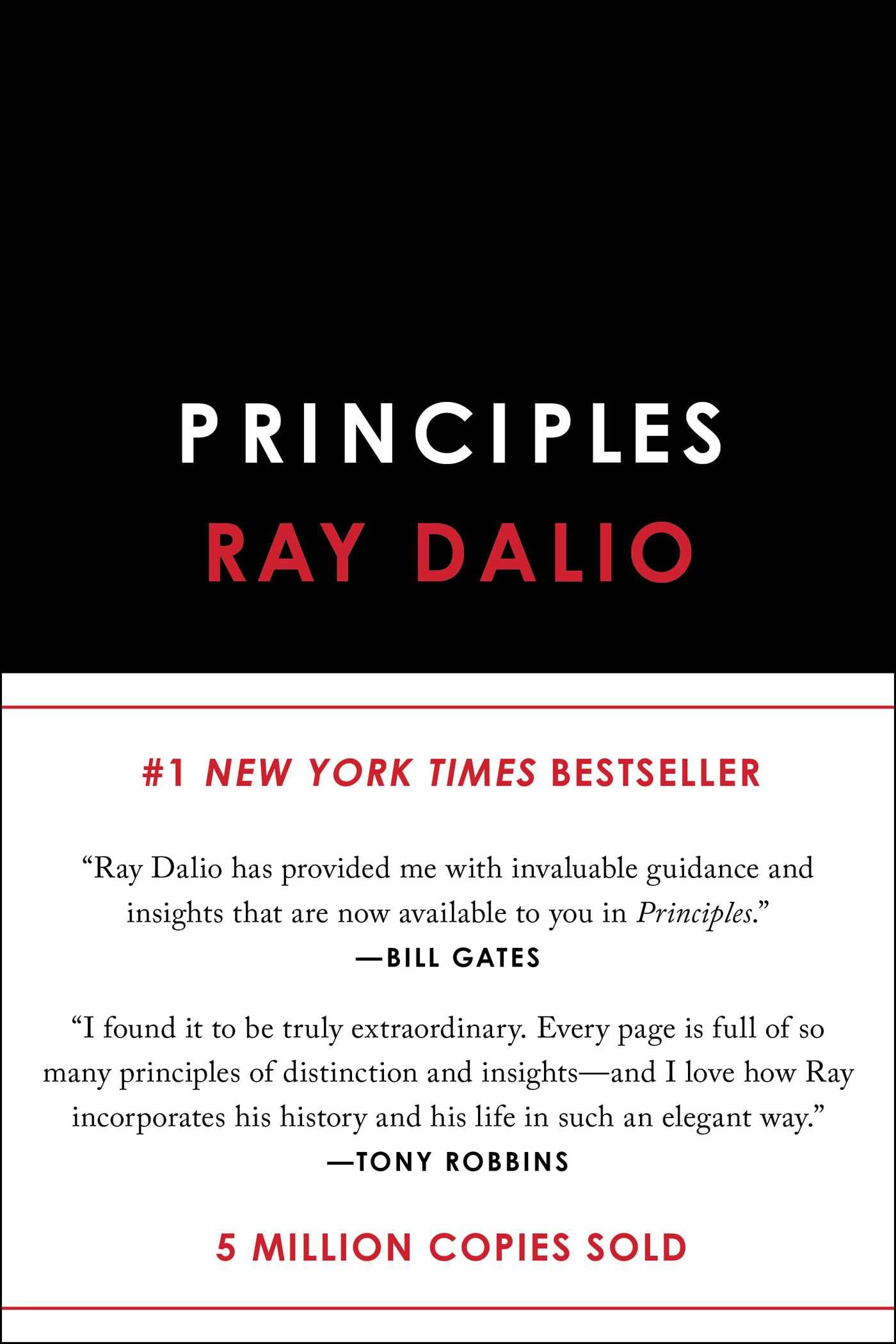
Dalio’s book outlines the framework he used to build Bridgewater and navigate complex global markets.
-
Radical Truth and Radical Transparency: Dalio argues that markets and organizations thrive when people are allowed to voice dissenting opinions openly and test ideas rigorously against reality.
-
Treating Life as a Machine: By viewing economic events and personal decisions as cause-and-effect relationships, investors can build systematic algorithms to minimize emotional reactions during market crises.
Principles for Navigating Big Debt Crises by Ray Dalio
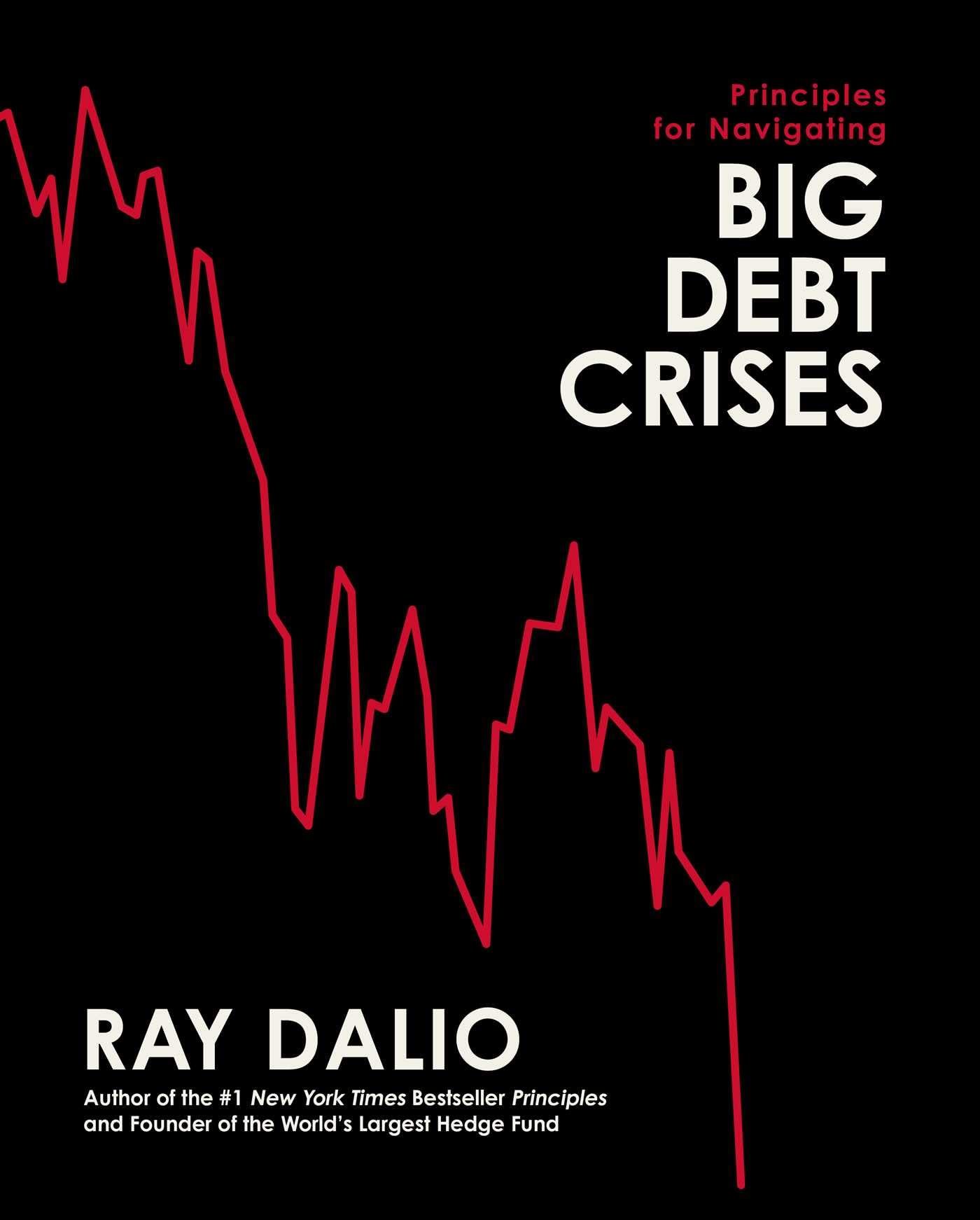
To understand how modern financial systems react to debt bubbles, deleveraging, and central bank interventions, Dalio maps out historical economic templates that help long-term investors anticipate structural shifts in global markets.
4. Howard Marks and the Mastery of Market Cycles
Howard Marks, co-founder of Oaktree Capital Management, is legendary for his insightful memos to clients, which Warren Buffett once noted he eagerly looks forward to reading. Marks’ philosophy centers on risk control, second-level thinking, and the cyclical nature of human emotion in finance.
The Most Important Thing: Uncommon Sense for the Thoughtful Investor by Howard Marks
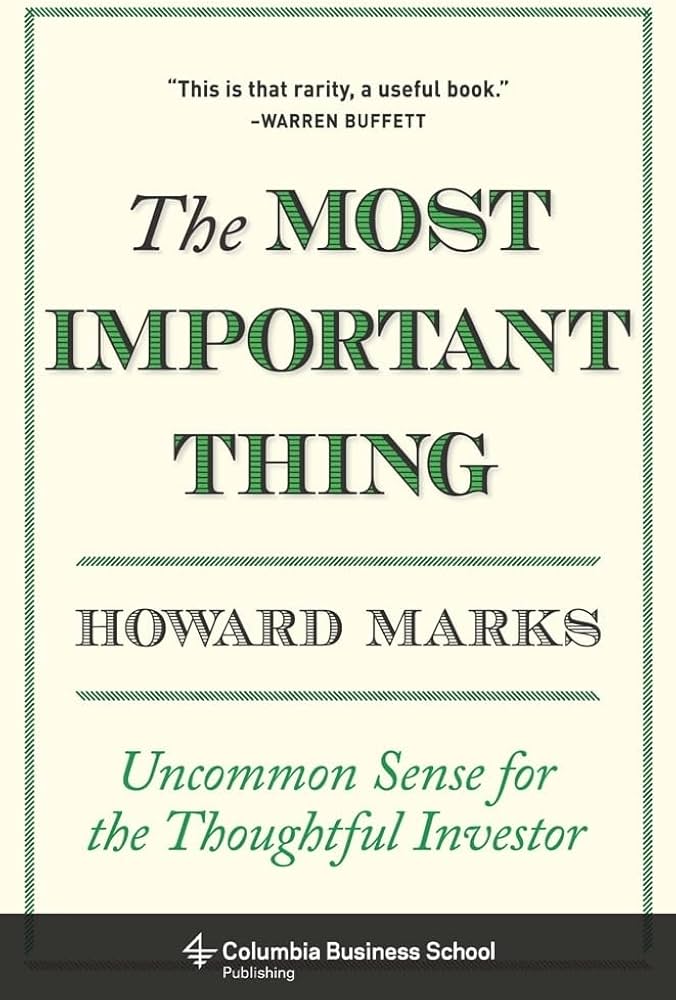
In this modern classic, Marks distills decades of distressed debt investing experience into vital lessons that challenge conventional market wisdom.
-
Second-Level Thinking: First-level thinking is simplistic (“This is a good company; let’s buy the stock”). Second-level thinking is deep, complex, and nuanced (“The company is good, but everyone thinks it’s great, making the stock overpriced; therefore, the risk-reward ratio is unfavorable”).
-
Risk Control: Marks argues that risk is not defined by volatility, but by the probability of permanent capital loss. Superior investors do not necessarily take more risk; they understand risk better and manage it rigorously.
5. Nassim Nicholas Taleb and Thriving on Volatility
In a world defined by geopolitical shifts, technological disruptions, and unexpected global events, traditional forecasting often fails. Nassim Nicholas Taleb provides a revolutionary framework for dealing with uncertainty.
The Black Swan: The Impact of the Highly Improbable by Nassim Nicholas Taleb
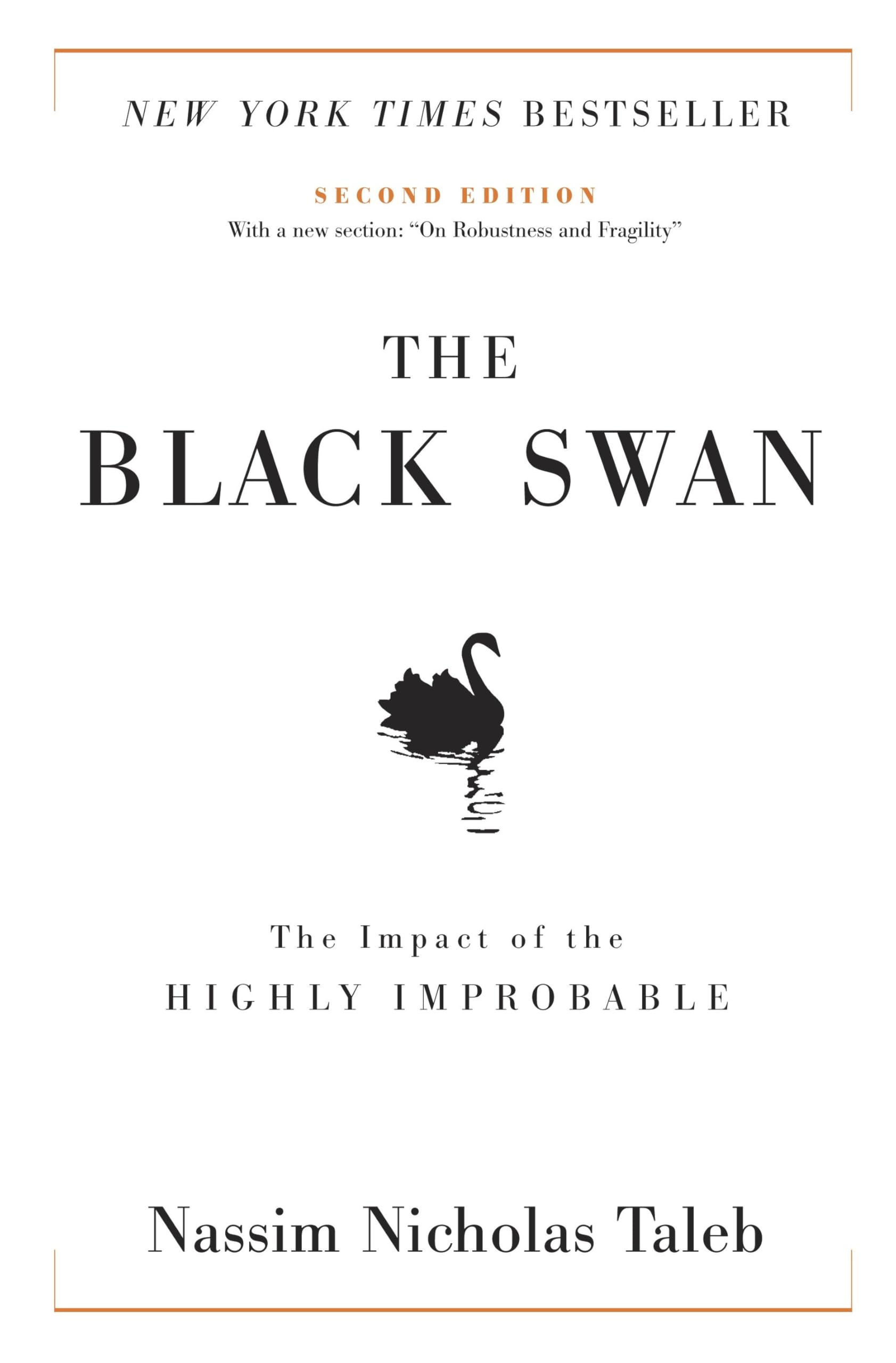
Taleb introduces the concept of Black Swan events—rare, high-impact occurrences that people rationalize in hindsight but fail to predict beforehand.
-
Asymmetric Risk: Investors must construct portfolios that are resilient to catastrophic shocks while retaining exposure to massive positive outliers.
-
Fragility vs. Antifragility: In a follow-up concept, Taleb defines “antifragile” systems as those that actually gain strength, learn, and grow when exposed to volatility, stress, and disorder. Applied to investing, this means holding assets that benefit from market chaos rather than breaking under pressure.
6. The Psychology of Wealth: Understanding Human Behavior
Before mastering balance sheets, derivatives, or macroeconomic indicators, every investor must master their own relationship with money. Technical knowledge is useless if behavioral flaws cause an investor to sell at the bottom out of fear or buy at the top out of greed.
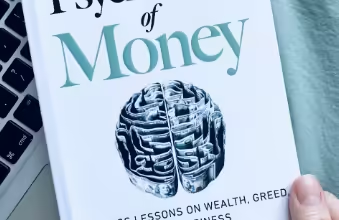
The Psychology of Money by Morgan Housel
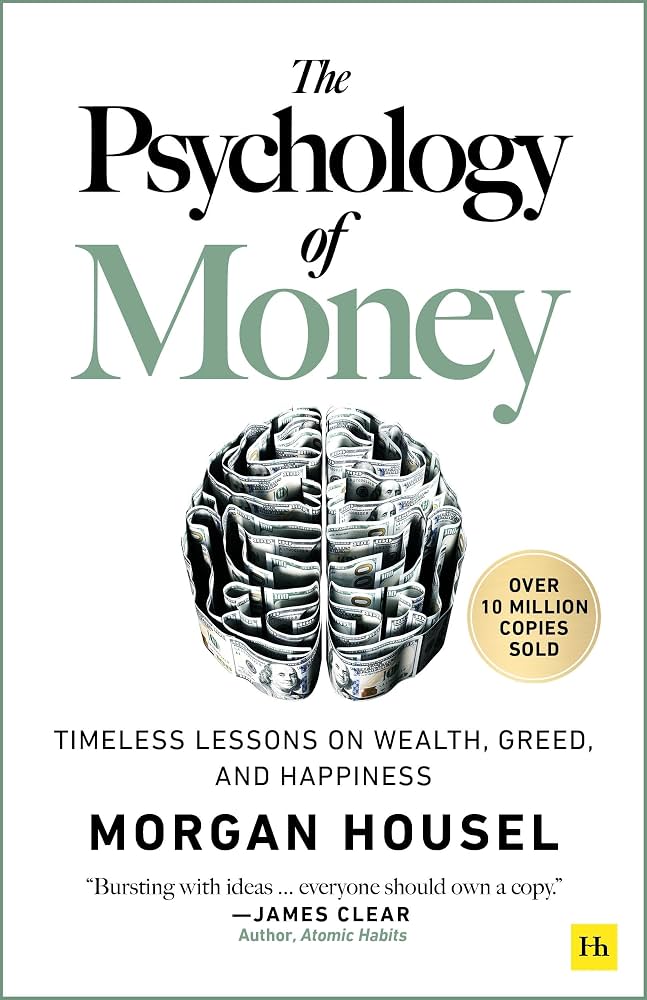
This contemporary masterpiece has quickly become a staple for modern investors, emphasizing that doing well with money has a little to do with how smart you are and a lot to do with how you behave.
-
Compounding and Patience: Buffett’s wealth is not just a result of high annual returns, but of the staggering duration over which those returns have compounded. Housel illustrates that survival, patience, and staying in the game long enough are the true secrets to financial success.
-
The Value of Freedom: True wealth is often invisible—it is the financial assets that have not yet been converted into material things. Money’s greatest intrinsic value is its ability to give you control over your time and your life.
Building Your Own Reading Plan for Financial Mastery
Absorbing the wisdom of great investors is an ongoing journey. Reading these foundational books is not about memorizing formulas or copying specific stock picks. Instead, it is about rewiring your brain to think critically about risk, value, human behavior, and long-term strategy.
To get the most out of your reading journey, consider implementing these practical habits:
-
Read Actively: Take notes, highlight key passages, and write down how specific concepts apply to your current investment portfolio or financial goals.
-
Reread Classics: Great investment books reveal deeper layers of meaning when read at different stages of your financial life and market experience.
-
Bridge Theory and Practice: Pair your reading with real-world observation. Watch how markets react to news, analyze corporate earnings reports, and observe your own emotional responses during market volatility.
By dedicating time to study the literary staples that shaped the greatest minds in finance, you equip yourself with the mental tools needed to navigate uncertainty, compound your wealth, and achieve lasting financial independence.