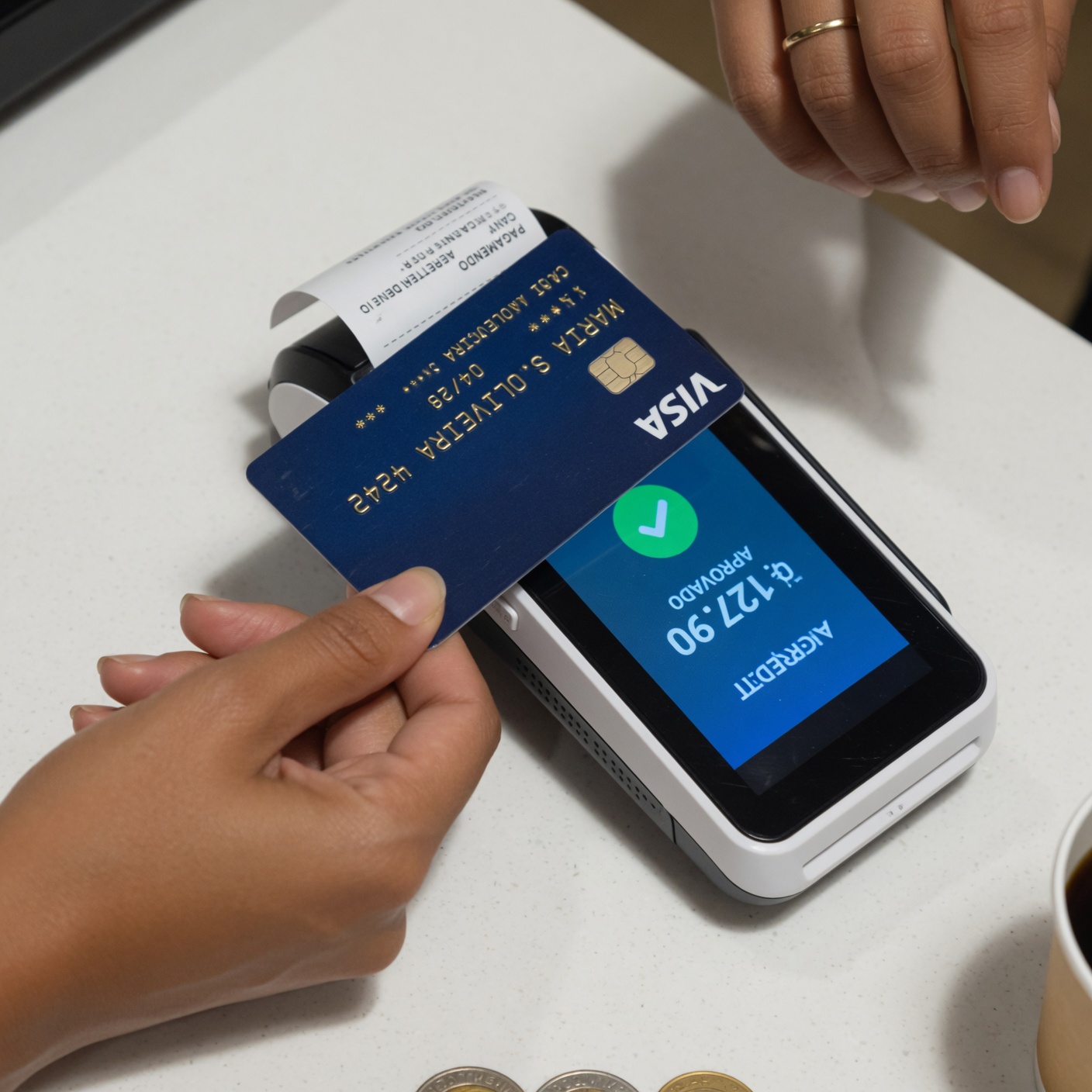
What is the difference between Visa, Mastercard, Elo, and American Express?
Understand the differences between Visa, Mastercard, Elo, and American Express, and how to choose the best card network for you
Choosing a credit card is often a process centered on interest rates, annual fees, rewards, and sign-up bonuses. However, the logo stamped on the bottom right corner of your card—whether it is Visa, Mastercard, Elo, or American Express—plays an equally vital role in your day-to-day financial transactions.
These logos do not represent the banks that lend you money; they represent the payment networks. These networks are the invisible pipelines that move money from your account to a merchant when you tap, dip, or insert your card.
While they all serve the same core purpose, these four networks function in vastly different ways. They offer varying levels of global acceptance, distinct consumer protections, unique luxury perks, and fundamentally different business models.
Understanding these differences is crucial to ensuring you never find yourself stranded at a register with a card that cannot be processed, or missing out on valuable travel insurance and lounge access.
Issuer vs. Network: The Essential Industry Distinction
Before diving into the differences between individual networks, it is essential to clarify a common point of confusion: the difference between a card issuer and a card network.
A card issuer is the financial institution (such as Chase, Citibank, Capital One, Banco do Brasil, or Bradesco) that manages your account. The issuer:
-
Approves your credit card application.
-
Sets your credit limit and interest rate (APR).
-
Charges annual fees.
-
Manages your billing statements and customer service.
-
Designs and funds the specific rewards program (such as cashback percentages or points categories).
A card network, on the other hand, is the infrastructure that processes the transaction. The network:
-
Facilitates communication between the merchant’s bank and your issuing bank.
-
Determines where the card can physically and digitally be accepted.
-
Provides auxiliary benefits built directly into the card level, such as rental car insurance, extended warranties, and airport lounge access programs like LoungeKey or Priority Pass.
Some companies act strictly as payment processing networks, while others play a dual role as both the network and the direct issuer. This structural difference directly shapes how you interact with your card and how widely it is accepted worldwide.
Visa: The Global Benchmark of Everyday Acceptance

Visa is the largest payment network in the world, processing hundreds of billions of dollars in transaction volume annually. Founded in 1958 as BankAmericard, the network transitioned into an independent, publicly traded entity that serves as a global standard for payment processing.
+-----------------------------------------------------------------------+
|                              VISA AT A GLANCE                         |
+-------------------+---------------------------------------------------+
| Business Model    | Open Network (Processes only, does not issue)     |
| Global Acceptance | Unrivaled (Over 200 countries & 100M+ merchants)  |
| Core Focus        | Ubiquity, consumer security, scale                |
| Tier Structure    | Traditional/Classic, Signature, Infinite          |
+-------------------+---------------------------------------------------+
The Business Model
Visa operates an open-loop network. This means Visa does not issue credit cards directly to consumers, nor does it extend credit. Instead, Visa partners with thousands of banks worldwide, providing them with the network technology to process transactions. If you have a Visa card, your relationship and debt are with the issuing bank, not Visa itself.
Global Acceptance and Ubiquity
Visa’s primary advantage is its unrivaled global acceptance. It is accepted in more than 200 countries and territories at over 100 million merchant locations. If a business accepts credit cards at all, it almost certainly accepts Visa. This makes it an indispensable tool for international travelers, online shoppers, and everyday domestic transactions.
Tier-Based Benefits and Perks
Visa categorizes its card benefits into three main tiers. The higher the tier, the more premium the built-in perks, though the final availability of these benefits depends on the specific bank issuing the card:
-
Visa Traditional/Classic: The entry-level tier. It provides basic, essential features such as 24/7 cardholder inquiry services, emergency card replacement, emergency cash disbursement, and zero-liability fraud protection.
-
Visa Signature: The mid-to-high tier. It adds valuable consumer protections and travel perks, including auto rental collision damage waivers, extended warranty protection, travel accident insurance, and access to the Visa Signature Luxury Hotel Collection.
-
Visa Infinite: The highest and most exclusive tier. Designed for premium travel cards, it offers top-tier benefits like primary rental car coverage, trip cancellation and interruption insurance, purchase security, return protection, concierge services, and complimentary airport lounge access via partner programs like Priority Pass.
Mastercard: The Innovator in Global Integration
Mastercard is Visa’s closest and most direct competitor. Established in 1966 as the Interbank Card Association (ICA) to compete with BankAmericard, Mastercard has grown into a massive global powerhouse that is virtually identical to Visa in terms of everyday utility, yet differs slightly in its proprietary benefit structures and technology integration.
+-----------------------------------------------------------------------+
|                           MASTERCARD AT A GLANCE                      |
+-------------------+---------------------------------------------------+
| Business Model    | Open Network (Processes only, does not issue)     |
| Global Acceptance | Equal to Visa (Over 210 countries & territories)   |
| Core Focus        | Seamless digital integration, travel security    |
| Tier Structure    | Standard, World, World Elite                      |
+-------------------+---------------------------------------------------+
The Business Model
Like Visa, Mastercard operates an open-loop network. It acts solely as the payment processor, leaving the lending, interest rates, and direct account management to partner financial institutions.
Global Acceptance and Ubiquity
Mastercard matches Visa step-for-step in acceptance. It is accepted at millions of locations across more than 210 countries and territories. While minor regional differences exist, you can travel almost anywhere in the world confident that if a merchant accepts Visa, they will also accept Mastercard.
Tier-Based Benefits and Perks
Mastercard structures its card benefits across three primary tiers, designed to scale with the cardholder’s spending habits and financial profile:
-
Standard Mastercard: Provides essential, everyday protections. These include zero-liability protection against unauthorized purchases, ID theft protection services, and 24/7 emergency customer assistance.
-
World Mastercard: Focused on frequent travelers and lifestyle enthusiasts. This tier introduces trip planning services, cellular wireless telephone protection (coverage against damage or theft of your cell phone when you pay your monthly bill with the card), hotel stay guarantees, and exclusive discounts with popular digital services.
-
World Elite Mastercard: The flagship tier designed for luxury travelers and high-earning professionals. It expands on the lower tiers by offering robust travel insurance policies (including trip cancellation, trip delay, and baggage delay coverage), dedicated 24/7 concierge services, elite status with select car rental agencies, and access to airport experiences such as Mastercard Airport Experiences provided by LoungeKey.
Elo: The Regional Pioneer with Global Ambitions

Unlike the globally ubiquitous Visa and Mastercard, Elo is a relatively young and highly specialized payment network. Launched in 2011 as a joint venture between three of Brazil’s largest financial institutions—Banco do Brasil, Bradesco, and Caixa Econômica Federal—Elo was created specifically to serve as a national payment network.
Over the past decade, it has rapidly grown to capture a massive share of the South American market and has developed unique partnerships to expand its global footprint.
+-----------------------------------------------------------------------+
|                             ELO AT A GLANCE                           |
+-------------------+---------------------------------------------------+
| Business Model    | Regional Open Network (Jointly owned by banks)    |
| Global Acceptance | Strong in Brazil; Global via Discover Network     |
| Core Focus        | Customized benefits, localized financial options  |
| Tier Structure    | Flex, Grafite, Nanquim, Diners Club               |
+-------------------+---------------------------------------------------+
The Business Model
Elo operates on an open-loop model, but with a highly centralized origin. It is owned by major banking institutions, meaning its cards are predominantly issued by these specific partner banks to cater to the domestic retail and e-commerce ecosystems. It has established itself as the third-largest network in its home market.
The Global Acceptance Strategy: The Discover Partnership
Initially, Elo cards could only be used within domestic borders. To compete on a global scale, Elo established a crucial international partnership with Discover Financial Services.
Because of this agreement, any Elo credit card featuring a global acceptance logo can be processed internationally wherever the Discover Global Network and Diners Club International are accepted. This expands Elo’s reach to over 185 countries and millions of merchants worldwide, including widespread acceptance in the United States. However, in highly remote international locations, its acceptance may still lag behind Visa and Mastercard.
Tailored and Flexible Perks
Elo sets itself apart from competitors by offering highly customizable, user-driven benefit packages, particularly through its “Elo Flex” program. Cardholders can log into the network’s portal and swap out benefits depending on their current lifestyle needs, choosing from categories such as pet insurance, home repair services, vehicle roadside assistance, or streaming platform subscriptions. Its primary tiers include:
-
Elo Grafite: A mid-tier option providing standard international acceptance, purchase protection, auto rental insurance, and basic travel assistance services.
-
Elo Nanquim: A premium tier designed for high-income users. It offers robust travel perks, including comprehensive medical travel insurance, international Wi-Fi access via partner networks, and airport lounge access through the LoungeKey network (often utilizing a unique voucher system when tickets are purchased with the card).
-
Elo Nanquim Diners Club: The absolute pinnacle of the Elo network. This co-branded option merges Elo’s flexible benefits with Diners Club’s prestigious global lounge network, providing unlimited lounge access, increased point accumulation rates, and premium concierge services.
American Express (Amex): The Premium Closed-Loop Network

American Express, commonly known as Amex, operates on a fundamentally different philosophy than Visa, Mastercard, and Elo. Founded in 1850 as an express mail business, Amex evolved into a financial services giant famous for pioneering traveler’s cheques and eventually launching some of the world’s most coveted charge and credit cards.
+-----------------------------------------------------------------------+
|                         AMERICAN EXPRESS AT A GLANCE                  |
+-------------------+---------------------------------------------------+
| Business Model    | Closed-Loop (Issues, lends, and processes)        |
| Global Acceptance | Highly selective; widely accepted in major hubs   |
| Core Focus        | Premium service, luxury travel, high-tier rewards |
| Core Card Tiers   | Green, Gold, Platinum, Centurion (Black Card)     |
+-------------------+---------------------------------------------------+
The Closed-Loop Difference
The defining characteristic of American Express is its closed-loop network. Unlike Visa and Mastercard, which rely on third-party banks to issue cards and manage credit, American Express often acts as both the network and the issuer.
When you use a classic Amex card:
-
American Express processed the payment.
-
American Express extended you the credit.
-
You pay your bill directly to American Express.
(Note: In some international markets, Amex licenses its brand to local banks to issue cards, but the core processing remains tightly controlled within its proprietary system).
This integrated model allows Amex to gather deep, direct insights into cardholder spending habits, which it uses to curate highly targeted merchant offers and unparalleled customer loyalty programs.
Acceptance and Merchant Fees
Because Amex manages the entire payment loop, it charges merchants higher transaction fees (interchange fees) than Visa and Mastercard do. Because of this, some small businesses, family-owned restaurants, and merchants in rural or developing areas choose not to accept American Express to protect their profit margins.
While Amex has closed the acceptance gap significantly in the United States—achieving near-parity with Visa and Mastercard in major metropolitan areas—it still sees lower acceptance rates internationally, particularly throughout Europe, Asia, and South America.
Prestige, Luxury Travel, and Elite Rewards
What Amex lacks in universal acceptance, it more than makes up for in brand prestige and luxury benefits. Rather than competing on card ubiquity, Amex targets high-spending consumers who value high-end travel perks, concierge services, and robust reward point ecosystems.
Instead of traditional tiers, Amex is defined by its iconic card lineup:
-
The American Express® Green Card: An entry-level travel card designed for everyday transit, dining, and eco-conscious lifestyle rewards.
-
The American Express® Gold Card: Widely regarded as one of the best cards for dining and supermarkets. It offers high point-accumulation multipliers and monthly dining credits that easily offset its annual fee.
-
The Platinum Card® from American Express: The gold standard of luxury travel cards. It offers unparalleled airport lounge access (including the proprietary Centurion Lounges, Delta Sky Clubs, and Priority Pass networks), automatic elite status with major hotel and rental car brands, extensive travel insurance, and a dedicated, world-class concierge service.
-
The Centurion® Card (The “Black Card”): An invite-only card reserved for ultra-high-net-worth individuals. It offers bespoke, high-touch personal services, private airport guides, and status levels that cannot be bought through traditional card applications.
Direct Comparison: How the Four Networks Stack Up
To help you visualize how these networks compare across key metrics, refer to the comprehensive breakdown below.
| Feature | Visa | Mastercard | Elo | American Express |
| Network Type | Open-Loop | Open-Loop | Open-Loop | Closed-Loop |
| Primary Card Issuer | Third-party banks | Third-party banks | Partner regional banks | American Express |
| US Acceptance | Extremely High (~100%) | Extremely High (~100%) | High (via Discover Network) | Very High (~99% of card-accepting merchants) |
| International Acceptance | Industry Leader (200+ countries) | Industry Leader (210+ countries) | Moderate (Highly dependent on Discover) | Moderate to Low (Varies greatly by region) |
| Merchant Cost | Low to Moderate | Low to Moderate | Moderate | High (Premium fee structure) |
| Core Strength | Global ubiquity and security | Global ubiquity and tech integration | Flexible, user-selected benefits | Luxury travel and premium rewards |
| Flagship Benefit Tier | Visa Infinite | World Elite Mastercard | Elo Nanquim Diners Club | Centurion / Platinum |
Behind the Scenes: How a Transaction is Processed in Real-Time
To truly understand the value of these payment networks, it helps to look at the incredibly complex journey a transaction takes. In the span of less than two seconds, a highly secure multi-step process occurs behind the scenes every time you use your card:
-
Initiation: You present your credit card to the merchant (either by tapping, inserting the chip, or entering details online).
-
Authentication: The merchant’s point-of-sale (POS) terminal sends your encrypted transaction data to the merchant acquirer (the bank or payment processor handling the business’s transactions).
-
Submission: The merchant acquirer routes the transaction information directly to the payment network (Visa, Mastercard, Elo, or American Express).
-
Verification: The network identifies the card issuer (your bank) and passes the transaction details to them. Your bank checks your account for:
-
Available credit limit or funds.
-
Potential fraud indicators (e.g., unusual locations or buying patterns).
-
-
Approval or Decline: Your bank sends an authorization response code (approval or decline) back through the payment network.
-
Confirmation: The payment network forwards this code back to the merchant’s terminal, completing the sale.
-
Clearing and Settlement: At the end of the business day, the merchant sends all approved transactions in a batch to their acquirer. The payment network facilitates the transfer of funds from your issuing bank to the merchant’s bank account, which typically settles within 24 to 48 hours.
This seamless choreography happens millions of times a day, highlighting the sheer technological scale managed by these financial networks.
Crucial Travel Considerations: Currency Exchange and Acceptance Abroad
For international travelers, the choice of network can make a measurable difference in both transaction success and overall travel costs.
The Network Exchange Rate
When making purchases in a foreign currency, your transaction must be converted back to your local currency. Each payment network calculates its own daily currency exchange rates based on wholesale market rates.
While the differences are measured in fractions of a penny, Visa and Mastercard consistently offer highly competitive, near-market exchange rates.
American Express also offers competitive rates, but cardholders must be vigilant regarding foreign transaction fees (typically 1% to 3% charged by the issuer, though many premium travel cards waive this fee entirely).
Regional Nuances
-
Europe: Mastercard has historically enjoyed a highly robust footprint across Europe, though Visa is equally accepted almost everywhere today. American Express is widely accepted in major European hotels and airport hubs but faces significant pushback from smaller boutiques, cafes, and transportation systems.
-
South America: In Brazil, Elo is an absolute powerhouse and is integrated into nearly every payment terminal. For travelers navigating South America, carrying a combination of a Visa or Mastercard (for universal acceptance) alongside local cards is the safest strategy to ensure smooth payments.
-
Asia: While major tourist hubs and hotels accept all four networks, domestic networks (such as UnionPay in China or JCB in Japan) dominate local commerce. If you are using Western networks, Visa and Mastercard remain your safest bets, while Amex is primarily accepted at international establishments.
Strategy: How to Build the Ultimate Credit Card Portfolio
Given the unique strengths and limitations of each payment network, relying on a single credit card can leave you vulnerable to acceptance issues, higher fees, or missed rewards. The smartest financial strategy is to build a diversified portfolio of cards that complement one another.
The “Double-Card” Baseline Strategy
For everyday consumers, the ideal baseline portfolio consists of two cards:
-
A Primary Rewards Card (Amex or Premium Visa/Mastercard): Use this card for the majority of your spending to maximize cash back or travel points.
-
A Backup Card (Visa or Mastercard with No Foreign Transaction Fees): Keep a universally accepted Visa or Mastercard in your wallet. This ensures that if a merchant does not accept American Express, or if you travel internationally, you still have a highly reliable payment method with excellent consumer protections.
The Frequent Flyer Strategy
If travel is your priority, your card lineup should focus heavily on premium network perks:
-
Utilize an American Express Platinum or Visa Infinite card to secure premium lounge access, elite hotel status, and primary rental car coverage.
-
Ensure your backup card is a World Elite Mastercard to take advantage of travel protections and cellular insurance while maintaining 100% acceptance coverage globally.
The International/Niche Market Strategy
If you frequently conduct business or travel within Latin America, adding an Elo Nanquim or co-branded Diners Club card to your wallet can unlock highly localized promotions, flexible lifestyle benefits, and widespread acceptance across Brazilian retail giants that might otherwise prove difficult to navigate.
Which Network Wins?
There is no single “best” credit card network; the right option depends entirely on your lifestyle, travel habits, and financial priorities.
-
Choose Visa if your priority is absolute peace of mind, universal global acceptance, and straightforward, high-tier travel protections.
-
Choose Mastercard if you want seamless digital integrations, widespread global acceptance, and highly practical daily protections like cellular insurance.
-
Choose Elo if you want highly customizable, flexible lifestyle perks and plan to spend significant time or conduct transactions within the Brazilian and South American markets.
-
Choose American Express if you are a luxury traveler or high-frequency spender looking for the absolute best travel rewards, elite lounge access, and premium concierge services.
By understanding how these networks operate and structuring your wallet accordingly, you can maximize your purchasing power, protect your transactions, and travel the world with complete financial confidence.