10 Money Habits That Are Keeping You Broke
Learn how to replace bad money habits with better ones
Have you ever looked at your bank account a few days before payday and wondered where all the money went? You work hard, you earn a decent salary, and yet, the numbers never seem to grow. For many, the problem isn’t a lack of income—it’s a collection of subtle, everyday habits that act like a slow leak in a tire. Eventually, you’re left stranded on the side of the road, wondering how you got there.
In the world of personal finance, your habits are your destiny. The difference between those who build lasting wealth and those who live paycheck to paycheck often comes down to a few core behaviors. If you feel like you’re running on a financial hamster wheel, it’s time to identify the “money leaks” in your life.
In this comprehensive guide, we will break down the 10 most common money habits that are keeping you broke and, more importantly, how you can reverse them to start building the life you actually want.
The Silent Killer of Wealth: Understanding Lifestyle Inflation
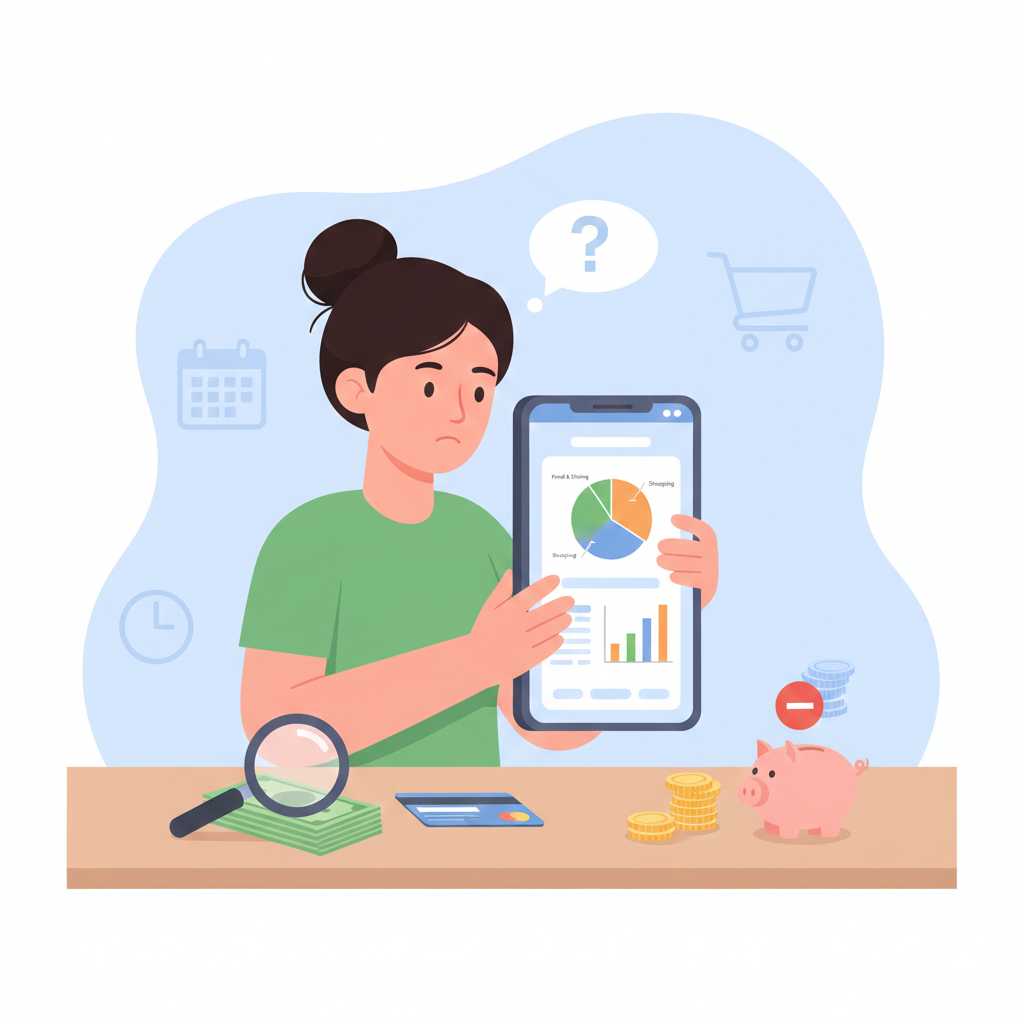
One of the most dangerous traps is Lifestyle Inflation (or lifestyle creep). This happens when your spending increases at the same rate as—or faster than—your income.
When you get a $500-a-month raise, your first instinct might be to move into a nicer apartment or lease a more expensive car. While it feels like you’re “leveling up,” you’re actually staying in the exact same financial position. You are simply trading your future freedom for a slightly better present.
How to Break the Habit
The wealthy practice Lifestyle Lag. When their income goes up, they keep their expenses the same for at least a year. They take that extra $500 and move it directly into an investment account. By maintaining your previous standard of living while your income grows, you create a massive gap that fuels wealth creation.
Emotional Spending and the “Retail Therapy” Trap
We live in a world designed to make us spend. High-stress jobs, social media FOMO (Fear Of Missing Out), and targeted advertising all trigger emotional responses that lead to impulsive purchases.
Whether it’s “treating yourself” after a bad day or buying a new outfit because you’re bored, emotional spending is a reactive habit. It provides a temporary dopamine hit followed by long-term financial regret.
The 48-Hour Rule
To combat emotional spending, implement the 48-Hour Rule. If you see something you want to buy that isn’t a necessity, wait 48 hours. Most of the time, the emotional urge will fade, and you’ll realize you didn’t actually need or even want the item that badly.
Flying Blind: Why Living Without a Budget is Financial Suicide
Many people view a budget as a “straitjacket” that prevents them from having fun. In reality, a budget is a map. Operating without a budget is like trying to drive across the country without a GPS—you might move, but you won’t end up where you want to go.
If you don’t know exactly where your money is going, you can’t tell it where to go. Small, unmonitored expenses like $15 for lunch here and $10 for a subscription there add up to hundreds of dollars of “lost” money every month.
The 50/30/20 Framework
If traditional budgeting feels too restrictive, try the 50/30/20 Rule:
-
50% for Needs (Rent, utilities, groceries).
-
30% for Wants (Dining out, hobbies, Netflix).
-
20% for Savings and Debt Repayment.
Paying Yourself Last: The Ultimate Savings Mistake

Most people follow this formula: Income – Expenses = Savings.
The problem? Expenses will always rise to meet your income. There is always “one more thing” to buy, leaving nothing for your savings at the end of the month.
Flip the Formula
Wealthy individuals use this formula: Income – Savings = Expenses.
The moment your paycheck hits your account, a portion is automatically moved to your savings or investment account. You then live on whatever is left. By “paying yourself first,” you treat your future self as your most important bill.
Relying on Credit to Fund a Lifestyle You Can’t Afford
Credit cards are one of the most powerful financial tools when used correctly, but they are a “wealth-killer” when used as an extension of your income. Using credit to buy things you can’t pay for in cash is essentially borrowing from your future self at a 20% to 25% interest rate.
The Math of High-Interest Debt
If you have a $5,000 balance on a credit card with 20% interest and only make the minimum payments, you will pay back over $10,000 and it will take you years to clear. You are literally working for the bank. If you can’t pay the statement in full every month, you are living a lifestyle that is mathematically unsustainable.
The “Latte Factor”: Ignoring the Impact of Small, Recurring Expenses
Financial expert David Bach coined the term “The Latte Factor” to describe how small, daily expenditures can derail your financial future. It’s not just about coffee; it’s about the $5 to $10 “micro-spends” we make daily without thinking.
| Daily Expense | Cost per Day | Cost per Year | 40 Years at 7% Interest |
| Daily Coffee | $5.00 | $1,825 | $380,000+ |
| Lunch Out | $12.00 | $4,380 | $910,000+ |
| Subscriptions | $2.00 | $730 | $150,000+ |
The Lesson: You don’t have to cut out everything you love, but you must be aware of the “opportunity cost.” Those small daily habits are literally costing you a comfortable retirement.
Neglecting the Emergency Fund: Living on the Financial Edge
Life is unpredictable. Tires blow out, medical emergencies happen, and jobs are lost. If you don’t have an emergency fund, these inevitable events become financial disasters that force you into high-interest debt.
Living without a cushion keeps you in a state of constant financial anxiety. It prevents you from taking risks—like starting a business or moving for a better job—because you are one missed paycheck away from ruin.
The Starter Fund
Aim for a “Starter Emergency Fund” of $1,000 to $2,000. Once you have that, work toward saving 3 to 6 months of essential living expenses. This isn’t just money; it’s peace of mind.
Keeping Up with the Joneses: The Social Comparison Trap
In the age of Instagram and TikTok, we are constantly bombarded with the “highlight reels” of others. We see the tropical vacations, the designer bags, and the luxury cars. What we don’t see is the massive debt often used to fund those photos.
Trying to match the spending habits of your social circle is a losing game. There will always be someone with a newer car or a bigger house. Spending money to impress people who aren’t even paying attention to you is a guaranteed way to stay broke.
The Cost of Convenience: Paying the “Lazy Tax”
We live in the “Convenience Economy.” Apps like DoorDash, Uber, and Instacart save us time, but they charge a massive premium for it. Between delivery fees, service fees, and tips, you are often paying 50% to 100% more for your food than if you had picked it up or cooked it yourself.
While it’s fine to use these services occasionally, making them a “habit” is a financial drain. If you’re “too busy” to cook but “too broke” to save, you have a priority problem, not an income problem.
Financial Illiteracy: Ignoring How Money Actually Works

The final habit that keeps people broke is avoiding the subject of money. Many people are intimidated by finance, so they ignore their bank statements, avoid looking at their debt, and never learn about investing.
Ignorance is not bliss; it’s expensive. Not understanding taxes, interest rates, or the power of compound interest means you are making decisions based on “gut feeling” rather than data.
Become a Student of Wealth
You don’t need a finance degree. Spend 20 minutes a week reading a personal finance blog, listening to a podcast, or reading a book like The Psychology of Money or Rich Dad Poor Dad. The more you understand the “rules of the game,” the easier it is to win.
The Psychology of Scarcity: Why We Stay Broke
To truly change your habits, you have to understand the “Scarcity Mindset.” When we feel like we don’t have enough, our brains focus on short-term survival. This leads us to make poor long-term decisions (like taking a payday loan or spending a bonus immediately).
To break the cycle, you have to shift to an Abundance Mindset. This doesn’t mean pretending you’re rich; it means believing that through disciplined habits, your situation will improve. It’s the difference between saying “I can’t afford that” and “How can I afford that?”
Action Plan: 3 Steps to Take Today
-
Conduct a Subscription Audit: Go through your bank statement and cancel every subscription you haven’t used in the last 30 days.
-
The Cash-Only Weekend: This weekend, leave your cards at home. Take out a set amount of cash. When it’s gone, you’re done. This recalibrates your “spending feel.”
-
Automate One Small Save: Set up an automatic transfer of just $20 a week to a separate savings account. You won’t miss it, but it starts the habit of “paying yourself first.”
Building wealth isn’t about being a genius or getting lucky. It’s about the boring, daily discipline of avoiding the habits that keep you broke and embracing the ones that set you free.
Which of these habits is your biggest hurdle? Identify it, own it, and start changing it today.