What influences the price of car insurance?
Learn the key factors that affect your insurance rates
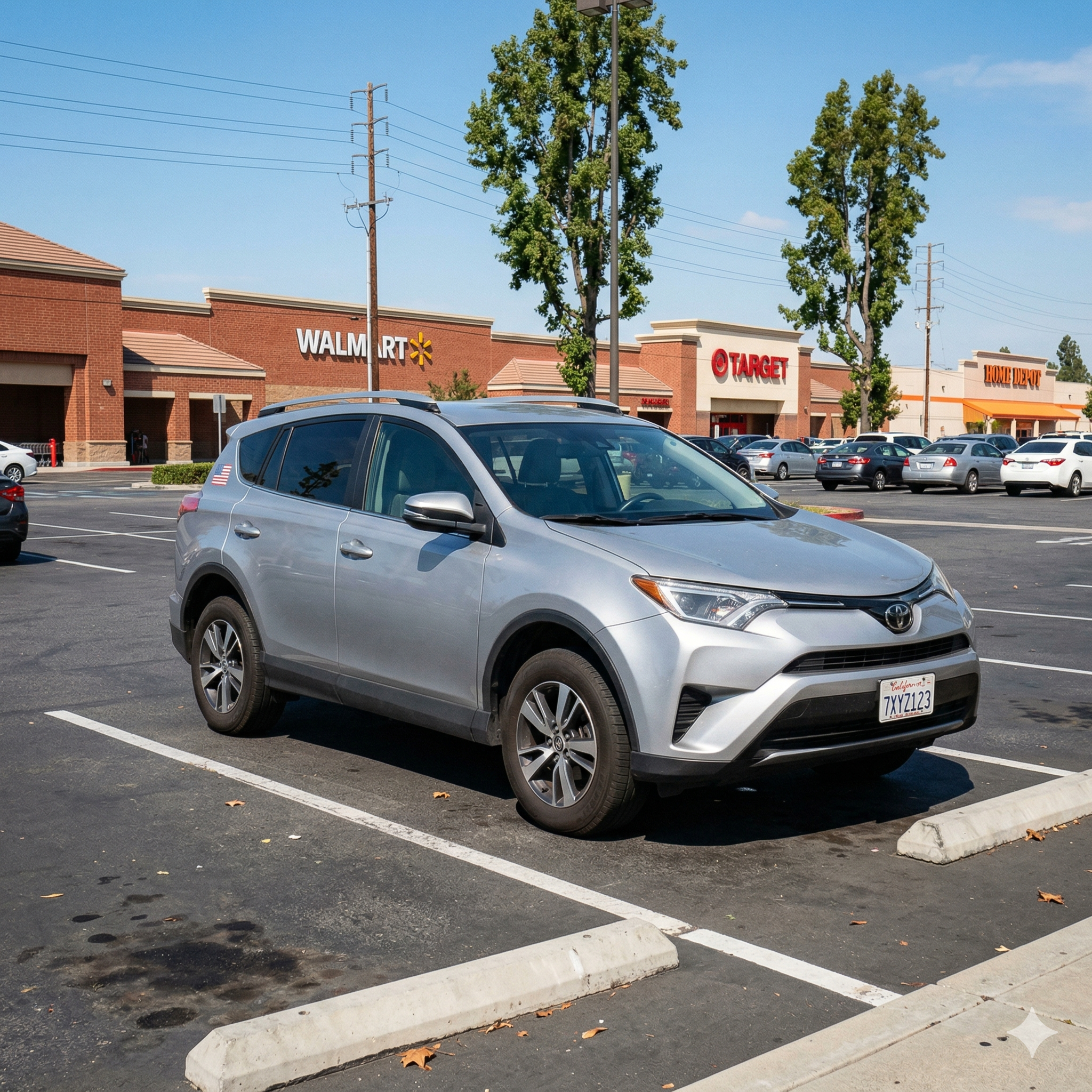
When you receive a car insurance quote, the number you see isn’t pulled out of thin air. It is the result of a complex calculation performed by actuaries—professionals who use statistics and probability to predict risk. To a layperson, these prices can seem arbitrary, especially when two neighbors driving the same car pay vastly different premiums.
However, once you peel back the layers, you’ll find that insurance pricing is a highly logical (though multifaceted) process. Whether you are looking for your first policy or trying to lower your current rates, understanding these variables is the first step toward financial literacy in the automotive world.
In this deep dive, we will explore the primary and secondary factors that dictate the cost of your auto insurance.
Your Personal Profile: The Human Element of Risk

Insurance companies view every driver as a “risk profile.” Before they even look at your car, they look at who you are. This isn’t about personal judgment; it’s about historical data that shows certain demographics are more likely to file claims.
Age and Driving Experience
Statistically, younger drivers—particularly those under the age of 25—are more prone to accidents due to a lack of experience and a higher tendency for risky behavior. Consequently, teens and young adults pay the highest premiums. Conversely, as you age and gain experience, your rates typically drop, hitting a “sweet spot” of affordability between ages 35 and 60.
Marital Status
Data suggests that married individuals tend to be more stable and involved in fewer accidents than their single, divorced, or widowed counterparts. Many insurers offer a slight discount to married couples, viewing them as a “lower risk” demographic.
Gender
In many regions, gender plays a role in pricing. Historically, young men have been involved in more severe accidents than young women. While this gap narrows significantly as drivers age, it remains a factor in the initial calculation of risk for new drivers.
Your Driving Record: The Most Powerful Variable
If you want to know why your insurance is expensive, your driving history is usually the first place to look. This is the most direct evidence an insurer has of how you behave behind the wheel.
Accidents and Claims
A “calculated risk” becomes a “proven risk” once you are involved in an at-fault accident. If you have filed claims in the past three to five years, insurers assume you are more likely to file another one in the future.
Moving Violations
Speeding tickets, reckless driving charges, and DUIs are red flags. A single speeding ticket might cause a minor bump in your premium, but a DUI can double or triple your rates—or even lead to the cancellation of your policy.
Insurance Gaps
Maintaining continuous coverage is vital. If you let your insurance lapse, even for a few weeks, insurers may view you as irresponsible or a higher risk. Always ensure your new policy starts before your old one ends.
The Vehicle You Drive: Beyond the Sticker Price
The type of car you choose has a massive impact on your premium. It isn’t just about how much the car costs to buy, but how much it costs the insurance company to fix or replace.
Safety Ratings and Features
Cars equipped with advanced safety technology—such as automatic emergency braking, lane-departure warnings, and high-quality crash test ratings—often qualify for lower rates. These features reduce the likelihood of a crash and protect the occupants, lowering the cost of medical claims.
Repair Costs
A luxury vehicle made of carbon fiber or equipped with specialized sensors in the bumper will cost significantly more to repair than a standard sedan. If your car requires imported parts or specialized labor, your premium will reflect that.
Theft Rates
Some vehicles are “magnets” for thieves. If you drive a model that appears frequently on the annual “most stolen” lists, your comprehensive insurance rates will be higher because the statistical probability of the car being stolen is elevated.
Engine Size and Performance
A high-horsepower sports car is designed for speed. Insurers associate performance vehicles with higher speeds and more severe accidents, which leads to higher premiums compared to a family-oriented SUV or minivan.
Location and Geography: Why Your Zip Code Matters
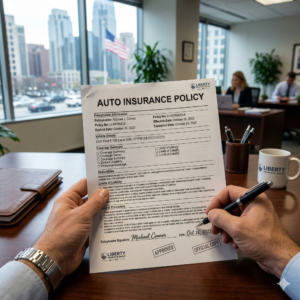
Where you park your car at night is just as important as how you drive it. Insurance is priced based on the localized risk of your specific neighborhood.
Urban vs. Rural Areas
Cities are more congested. More cars on the road mean a higher probability of fender benders. Additionally, urban areas often have higher rates of theft and vandalism. If you live in a quiet rural area with less traffic, your rates will generally be lower.
Weather and Natural Disasters
If you live in a region prone to hailstorms, hurricanes, or floods, your comprehensive coverage will be more expensive. Insurers track “catastrophic loss” data by region to ensure they have enough reserves to pay out claims after a major weather event.
Litigation Environment
In some areas, “insurance fraud” or high rates of litigation (lawsuits) are common. If your state or city is known for high legal settlements regarding auto accidents, insurance companies will raise premiums across the board to cover those legal costs.
Credit-Based Insurance Scores
In many parts of the United States, insurance companies use your credit history to help determine your premium. It is important to note that this is a “Credit-Based Insurance Score,” which is different from a standard lending score.
Actuarial data shows a strong correlation between how a person manages their finances and how they manage their driving. Drivers with higher credit scores are statistically less likely to file claims. If you have a poor credit history, you may find yourself paying significantly more for the exact same coverage as someone with excellent credit.
Coverage Choices and Deductibles
While external factors influence your rate, you have direct control over the structure of your policy.
Coverage Limits
The more protection you buy, the more it costs. If you opt for “State Minimum” liability, your price will be low, but you are financially exposed. Increasing your limits to $100,000/$300,000 or higher will increase your premium but provide much-needed peace of mind.
Deductibles
Your deductible is the amount you pay out of pocket before the insurance kicks in.
-
Low Deductible ($250): Higher monthly premium.
-
High Deductible ($1,000+): Lower monthly premium.
Choosing a higher deductible is one of the fastest ways to lower your insurance costs, provided you have the savings to cover that amount in an emergency.
Annual Mileage and Vehicle Usage
How much time do you spend on the road? The more miles you drive, the more opportunities there are for an accident to occur.
-
Pleasure Use: Low mileage, usually for errands or weekend trips. These are the cheapest rates.
-
Commuting: Driving to and from work daily. Rates are standard.
-
Business Use: If you use your personal car for sales calls or transporting goods, you may need a specialized commercial rider, which increases the cost.
External Economic Factors: The “Invisible” Influencers
Sometimes, your insurance rate goes up even if you haven’t had an accident and haven’t changed your car. This is often due to macro-economic trends.
Inflation
The cost of car parts and labor has risen significantly. When it costs more for a body shop to fix a car, insurance companies must raise premiums to keep up with those expenses.
Medical Costs
Personal Injury Protection (PIP) and Medical Payments coverage are influenced by the rising cost of healthcare. As hospital stays and rehabilitative services become more expensive, the “Medical” portion of your auto insurance follows suit.
Technology Complexity
Modern cars are “computers on wheels.” A simple bumper tap that used to cost $500 to fix now might cost $3,000 because of the cameras and sensors embedded in the plastic. This technological advancement, while safer, has driven up the average cost of claims.
How to Optimize Your Rate: Proactive Steps
Now that you know what influences the price, here is how you can move the needle in your favor:
-
Bundle Policies: Combining your home and auto insurance with the same provider often yields a 10% to 25% discount.
-
Seek Out Discounts: Ask about discounts for good students, military service, professional organizations, or “green” vehicles.
-
Telematics Programs: Many insurers now offer “usage-based insurance.” By installing a device or using an app that tracks your driving habits (braking, speed, time of day), you can earn substantial discounts for safe behavior.
-
Review Yearly: Your risk profile changes every year. As tickets fall off your record or you reach age milestones, your rate should be re-evaluated.
Final Thoughts
Car insurance pricing is a dynamic reflection of your lifestyle, your choices, and the economy around you. While you cannot control your age or the weather in your zip code, you can control your driving habits, your credit score, and the type of vehicle you choose to drive. By understanding these factors, you can navigate the insurance market with confidence and ensure you are getting the best possible value for your protection.