What credit score do you need for a loan?
Understand how your credit score affects loan approval
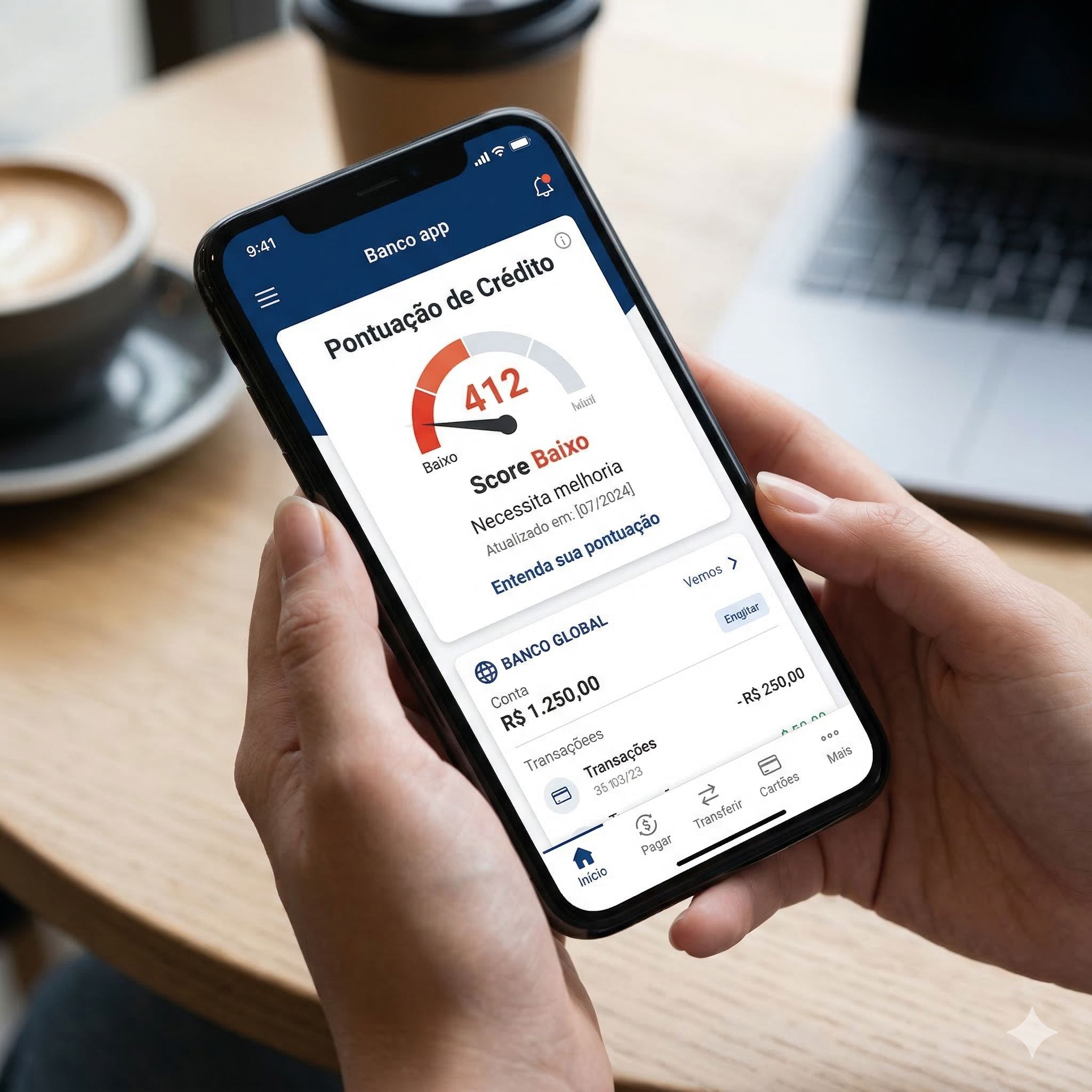
When you apply for a loan, you aren’t just asking for money; you are presenting your financial history for judgment. At the center of that judgment is a single, three-digit number: your credit score. For many, this number feels like a mysterious barrier that stands between them and their goals, whether that’s buying a new car, renovating a home, or consolidating debt.
One of the most frequent questions borrowers ask is, “What score do I actually need to get approved?” The answer isn’t a single number. Instead, it’s a sliding scale where your score determines not only if you get the money but how much it will cost you in the long run. In this guide, we will deconstruct the credit tiers, explain what lenders are looking for, and show you how to position yourself for the best possible terms.
Decoding the FICO Score: Understanding the Credit Tiers

In the United States, the most widely used credit scoring model is FICO, created by the Fair Isaac Corporation. These scores range from 300 to 850. Lenders generally categorize these scores into five main brackets. Understanding where you fall is the first step in your loan journey.
The Five Credit Brackets
-
Exceptional (800–850): You are the “gold standard” borrower. You will likely qualify for the lowest possible interest rates and have your choice of lenders.
-
Very Good (740–799): You are well above the average. You will receive highly competitive rates and quick approvals.
-
Good (670–739): This is where the majority of U.S. borrowers sit. You are considered “acceptable” risk. You’ll get approved, but your interest rates will be slightly higher than the top tiers.
-
Fair (580–669): You are a “subprime” borrower. Some lenders will work with you, but you will face higher interest rates and potentially more fees.
-
Poor/Bad (300–579): You are considered high risk. Traditional bank loans may be difficult to obtain, and you may need to look at specialized “bad credit” lenders.
Minimum Credit Score Requirements by Loan Type
The “magic number” you need depends entirely on what kind of loan you are applying for. Different financial products carry different levels of risk for the lender.
Personal Loans
For an unsecured personal loan (where no collateral is required), most reputable lenders look for a score of at least 610 to 640. While some online lenders specialize in scores as low as 580, the interest rates at that level can be quite high.
Auto Loans
Car loans are often easier to get than personal loans because the car itself serves as collateral. You can find “buy here, pay here” lots that don’t check credit at all, but for a standard bank auto loan, a score of 660 is usually the threshold for a decent rate. If your score is below 600, expect to pay a significant “subprime” premium.
Mortgages
If you are looking to buy a home, the requirements are more standardized:
-
Conventional Loans: Usually require a minimum score of 620.
-
FHA Loans: These are government-backed and much more lenient. You can qualify with a score as low as 580 with a 3.5% down payment, or even 500 if you can provide a 10% down payment.
How Your Credit Score Directly Affects Your Interest Rate (APR)
Many people think a credit score is just a “yes or no” switch. In reality, it is a volume knob for your interest rate. Even a 20-point difference in your score can save you thousands of dollars over the life of a loan.
The “Cost of Credit” Example
Imagine two people borrowing $20,000 for a 5-year personal loan:
-
Borrower A (Score 760): Qualifies for a 7% APR. Their monthly payment is ~$396. Total interest paid: $3,760.
-
Borrower B (Score 620): Qualifies for a 22% APR. Their monthly payment is ~$551. Total interest paid: $13,060.
In this scenario, Borrower B pays nearly $10,000 more for the exact same loan simply because of their credit score. This illustrates why “polishing” your credit before applying is one of the best financial investments you can make.
Why Lenders Care About More Than Just Your Score
While the score is a major factor, lenders also look at the “Three Cs” of credit to get a full picture of your financial health:
-
Capacity (Income): Do you make enough money to pay back the loan? A person with a 800 score but no job will still be denied a loan. Lenders look at your Debt-to-Income (DTI) ratio.
-
Capital (Assets): Do you have money in savings? Having a “cushion” makes you look less risky if you were to lose your job.
-
Collateral: Are you putting something up as a guarantee? Secured loans are always easier to get than unsecured ones because the lender has a fallback.
Factors That Influence Your Credit Score Calculation

To improve your score, you must understand what builds it. The FICO model uses five main components:
-
-
Payment History (35%): This is the most important factor. Even one late payment (30 days past due) can stay on your report for seven years and tank your score.
-
Credit Utilization (30%): How much of your available credit are you using? If you have a $10,000 limit and you owe $9,000, your score will drop. Aim to keep this below 30%.
-
Length of Credit History (15%): The longer your accounts have been open, the better. Don’t close old credit cards even if you don’t use them.
-
Credit Mix (10%): Lenders like to see that you can handle different types of debt (e.g., a credit card and a car loan).
-
New Credit (10%): Applying for many loans at once creates “hard inquiries,” which can temporarily lower your score.
-
Common Myths About Credit Scores and Loans
-
Myth: Checking my own score lowers it. * Fact: When you check your own score (a “soft pull”), it has zero impact. Only when a lender checks it for an application (a “hard pull”) does it potentially drop.
-
Myth: I have a “Bank Account Score.”
-
Fact: Your bank balance has nothing to do with your credit score. You can have a million dollars in the bank and a 400 credit score if you don’t pay your bills.
-
-
Myth: Closing an old card helps my score.
-
Fact: Closing an old account usually hurts your score by lowering your average credit age and reducing your total available credit.
-
How to Get a Loan If Your Score is Below 600
If your score is in the “Poor” category, you aren’t completely out of luck, but you must be careful.
-
Look for Credit Unions: They are non-profits and often look at your character and local history rather than just a computer-generated score.
-
Find a Co-signer: A family member with good credit can “vouch” for you. Their score is used to determine the rate, but they are also legally responsible if you don’t pay.
-
Apply for a Secured Loan: Using your car title or a savings account as collateral can bypass many credit score requirements.
-
Avoid Payday Lenders: These “no credit check” loans often have interest rates of 400% or higher. They are designed to keep you in debt.
Short-Term Tactics to Boost Your Score Before Applying
If you plan to apply for a loan in the next 30 to 60 days, try these “quick fixes”:
-
Pay Down Your Balances: Reducing your credit card debt can lower your utilization and jump your score within a single billing cycle.
-
Look for Errors: Check your credit report at AnnualCreditReport.com. If there is a late payment listed that you actually paid on time, dispute it. Removing one error can add 50+ points to your score.
-
Become an Authorized User: Ask a parent or spouse with an old, perfect credit card to add you as an “authorized user.” You don’t even need to use the card; their history will be added to your report.
The Long-Term Path: Maintaining an “Exceptional” Score

Once you get your loan, use it as a tool to reach the 800+ club.
-
Automate Everything: Set up autopay for at least the minimum amount on every single bill.
-
Monitor Your Credit: Use free apps to keep an eye on your score weekly. This helps you spot fraud or identity theft early.
-
Don’t “Credit Shop”: Only apply for credit when you truly need it. Every application leaves a footprint.
The Power of the Three-Digit Number
Your credit score is more than just a number; it is a reflection of your financial discipline. While you don’t need a “perfect” score to get a loan, having a “good” one makes your life significantly easier and cheaper.
Before you apply, take the time to know your score, understand the requirements of the loan you want, and take small steps to improve your standing. A little preparation today can save you thousands of dollars tomorrow.