Applying for your first loan is a significant financial milestone. Whether you are looking to fund a major purchase, consolidate debt, or cover an unexpected expense, the process can feel overwhelming. The financial landscape is filled with complex terminology, varying interest rates, and a multitude of lenders.
However, obtaining a loan doesn’t have to be a stressful experience. With the right knowledge and preparation, you can navigate the process smoothly and secure the funding you need on terms that work for you. This guide is designed to break down the complexities of borrowing into simple, actionable steps, ensuring you make informed decisions that support your long-term financial health.
Understanding the Basics: What is a Loan and How Does It Work?

Before diving into the application process, it’s crucial to understand what a loan actually is. In its simplest form, a loan is a sum of money borrowed from a financial institution (like a bank or credit union) or an online lender that must be paid back over a set period, typically with interest.
The Components of a Loan
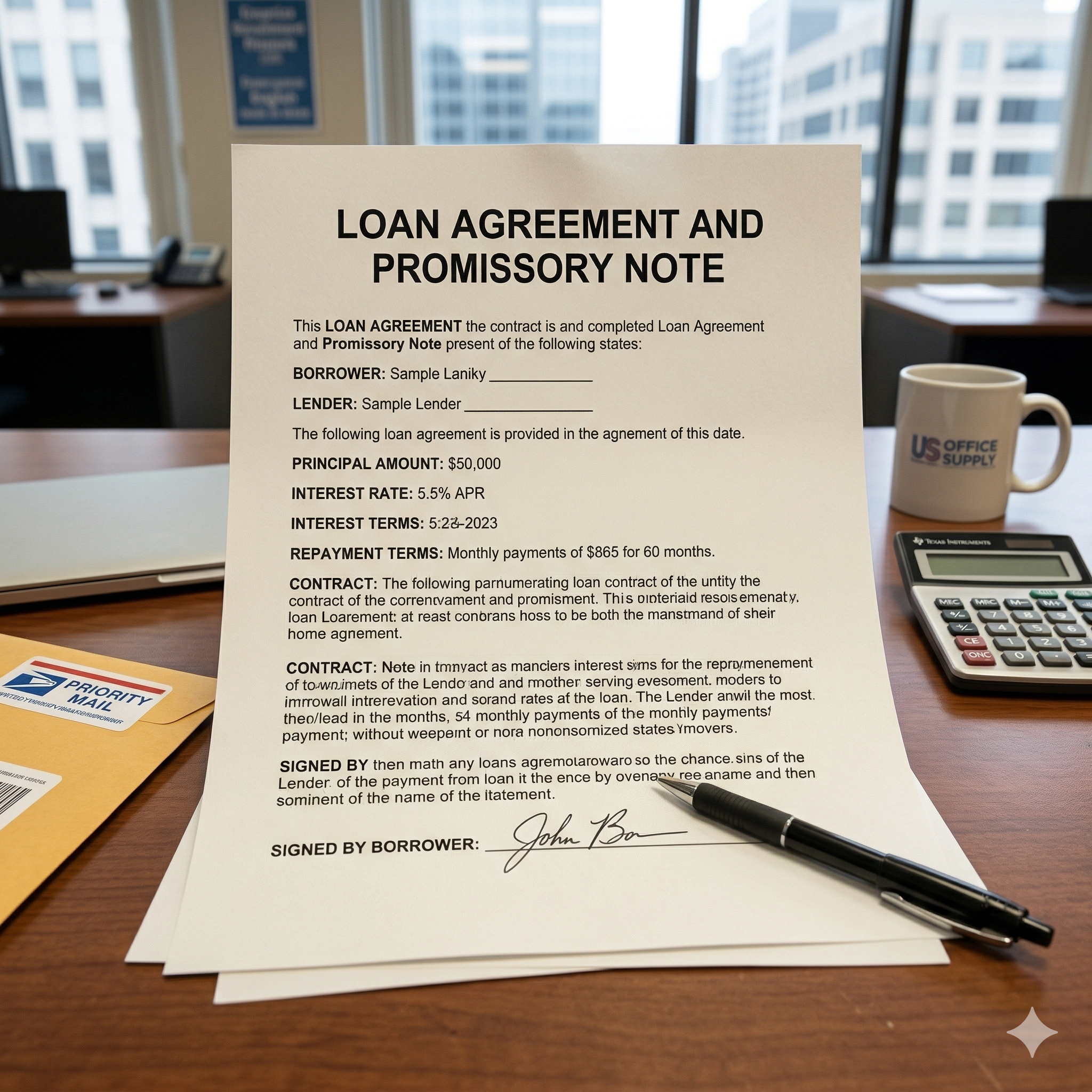
To understand how a loan functions, you need to be familiar with these key terms:
-
Principal: This is the original amount of money you borrow.
-
Interest Rate: This is the cost of borrowing the money, expressed as a percentage of the principal. It’s how lenders make a profit.
-
Annual Percentage Rate (APR): This is a broader measure of the cost of your loan. It includes the interest rate plus any fees charged by the lender. The APR is the most accurate way to compare the true cost of different loans.
-
Term: This is the length of time you have to repay the loan (e.g., 24 months, 5 years).
-
Repayment Schedule: This outlines when your payments are due and how much each payment will be.
How Interest Works
Interest is calculated based on the outstanding principal. As you make payments, a portion goes toward the interest and a portion goes toward reducing the principal. In the early stages of a loan, a larger percentage of your payment typically goes toward interest. As the principal decreases, more of your payment is applied to the balance.
Evaluate Your Financial Health: Can You Afford a Loan?
The most important step in getting a loan is determining if you can realistically afford to pay it back. Taking on debt is a serious commitment, and failing to make payments can severely damage your credit score and financial future.
Assess Your Monthly Budget
Start by creating a detailed list of your monthly income and expenses. Be honest about where your money goes.
-
Income: Include your salary, bonuses, and any side hustle income.
-
Fixed Expenses: Rent/mortgage, utilities, car payments, insurance, and existing debt.
-
Variable Expenses: Groceries, dining out, entertainment, and personal care.
Once you have a clear picture of your cash flow, determine how much “wiggle room” you have. A new loan payment should fit comfortably within your budget without forcing you to sacrifice essentials.
Calculate Your Debt-to-Income (DTI) Ratio
Lenders use the Debt-to-Income (DTI) ratio to assess your ability to manage monthly payments. To calculate your DTI, divide your total monthly debt payments by your gross monthly income (income before taxes).

Generally, lenders prefer a DTI ratio below 36%, although some may accept higher ratios depending on other factors like your credit score.
The Power of the Credit Score: Why It Matters for First-Time Borrowers
For a first-time borrower, your credit score is the single most influential factor in determining your loan eligibility and the interest rate you’ll receive. It is a three-digit number that represents your “creditworthiness”—essentially, how likely you are to pay back borrowed money.
How Credit Scores are Calculated
Credit scores (most commonly FICO scores) are based on several factors:
-
Payment History (35%): Do you pay your bills on time? This is the most critical factor.
-
Amounts Owed (30%): How much of your available credit are you using? This is known as credit utilization.
-
Length of Credit History (15%): How long have your accounts been open?
-
Credit Mix (10%): Do you have a variety of credit types (e.g., credit cards, student loans)?
-
New Credit (10%): Have you opened several new accounts recently?
Tips for Building Credit from Scratch
If you have no credit history, getting your first loan can be a “chicken and egg” problem. Here is how to start:
-
Become an Authorized User: Ask a family member with good credit to add you to their credit card account. Their positive history will reflect on your report.
-
Apply for a Secured Credit Card: These require a cash deposit that serves as your credit limit. They are excellent tools for building history.
-
Credit Builder Loans: Some credit unions offer small loans where the money is held in a bank account while you make payments. Once paid off, you get the money and a boost to your credit score.
Exploring Your Options: Types of Loans for Beginners

Not all loans are created equal. Depending on your needs and financial situation, one type may be much better than another.
Personal Loans (Unsecured)
These are versatile loans that can be used for almost anything. Because they are “unsecured,” they don’t require collateral (like a car or house). Your eligibility is based primarily on your credit score and income.
Secured Loans
These require collateral. If you fail to repay, the lender can seize the asset. Common examples include auto loans (the car is collateral) and mortgages (the home is collateral). These often have lower interest rates because they are less risky for the lender.
Student Loans
Specifically designed to pay for post-secondary education. They often come with lower interest rates and more flexible repayment options compared to standard personal loans.
Payday Loans (A Word of Caution)
Avoid these if at all possible. They are short-term, high-interest loans meant to tide you over until your next paycheck. The APRs on these can exceed 400%, leading to a dangerous cycle of debt.
How to Compare Lenders: Finding the Best Deal
Don’t settle for the first loan offer you receive. Shopping around can save you thousands of dollars over the life of a loan.
Where to Look
-
Traditional Banks: Great if you already have a relationship there, but they often have stricter credit requirements.
-
Credit Unions: Member-owned organizations that frequently offer lower rates and more personalized service.
-
Online Lenders: Often faster and more convenient, with competitive rates for those with varying credit profiles.
What to Compare
When looking at offers, focus on these three things:
-
The APR: This is the most important number for comparing costs.
-
Fees: Look for origination fees (charged for processing the loan) and prepayment penalties (fees charged if you pay the loan off early).
-
Loan Terms: A longer term means lower monthly payments but more interest paid over time. A shorter term means higher monthly payments but less interest overall.
Step-by-Step: The Loan Application Process
Once you’ve chosen a lender, it’s time to apply. Being organized will speed up the process.
Gather Your Documentation
Lenders will need to verify your identity and financial status. Have these ready:
-
Proof of Identity: Government-issued ID (Driver’s license or Passport).
-
Proof of Income: Recent pay stubs, W-2 forms, or tax returns (if self-employed).
-
Proof of Address: Utility bills or lease agreements.
-
Bank Statements: Usually from the last 2–3 months.
The Application
Most applications can be completed online. You will provide your personal details, the amount you wish to borrow, and the purpose of the loan.
The Hard Credit Pull
When you officially apply, the lender will perform a “hard” credit inquiry. This may cause a temporary, small dip in your credit score. This is why it’s better to do your shopping (soft pulls) before officially applying.
After Approval: Managing Your Loan Responsibly

Congratulations! You’ve secured your first loan. Now, the real work begins: maintaining your financial integrity.
Set Up Automatic Payments
The easiest way to avoid late fees and damage to your credit score is to set up autopay. Most lenders offer a small interest rate discount (usually 0.25%) for doing this.
Pay More Than the Minimum
If your budget allows, paying even a little extra toward the principal each month can significantly reduce the total interest you pay and help you become debt-free faster.
Communication is Key
If you encounter a financial hardship (like losing a job), contact your lender immediately. Many lenders have “hardship programs” or can offer temporary deferment. It is always better to talk to them before you miss a payment.
Common Pitfalls to Avoid as a First-Time Borrower
-
Borrowing More Than Needed: Just because a lender offers you $10,000 doesn’t mean you should take it if you only need $5,000. Every extra dollar borrowed costs you interest.
-
Ignoring the Fine Print: Always read the loan agreement. Understand the fees, the consequences of late payments, and whether the interest rate is fixed (stays the same) or variable (can change).
-
Applying for Too Many Loans at Once: Multiple hard inquiries in a short period can signal to lenders that you are in financial distress.
Your Path to Financial Freedom
Getting a loan for the first time is a learning experience. By understanding your budget, monitoring your credit, and comparing lenders, you are taking control of your financial narrative. Remember that a loan is a tool—when used wisely, it can help you reach your goals; when used recklessly, it can become a burden. Stay informed, stay disciplined, and use this foundation to build a strong financial future.