How social pressure shapes financial choices
Understand how we often spend what we don't have due to social reasons

We like to think of ourselves as rational, independent thinkers. When we buy a car, book a vacation, or choose an investment, we tell ourselves that we made the decision based on logic, math, and personal preference.
But if we are honest, there is a third, silent partner in every transaction: Other People.
From the clothes we wear to the neighborhoods we live in, our financial lives are heavily dictated by the invisible hand of social pressure. It is the subtle fear of judgment, the desire to belong, and the evolutionary drive to maintain status within our “tribe.”
In the age of social media, this pressure has evolved from “Keeping up with the Joneses” to “Keeping up with the Kardashians,” and it is wreaking havoc on bank accounts worldwide.
This guide explores the deep psychology of social spending. We will uncover why your brain equates spending with survival, how the “curated reality” of the internet manipulates your wallet, and how you can opt out of the status game to build true, independent wealth.
1. The Biology of Belonging: Why “Cheap” Feels Dangerous

To understand why we spend money to impress others, we have to look at human evolution.
For thousands of years, humans lived in small tribes. Survival depended entirely on social acceptance. If you were liked and respected by the tribe, you shared in the food and protection. If you were ostracized or cast out, you died.
The Pain of Exclusion
Neuroscience has shown that social rejection lights up the same parts of the brain as physical pain.
When you decline a dinner invitation because it’s too expensive, or when you drive an old car while your colleagues drive new BMWs, your brain triggers a mild “threat response.” It worries that your low status might lead to exclusion.
This is why social pressure is so difficult to resist. It isn’t just about vanity; it is about a primal, biological need for safety and belonging. We spend money not just to look good, but to signal to the group: “I am successful, I am valuable, please keep me in the tribe.”
2. The “Highlight Reel” Effect: Social Media and Financial Dysmorphia
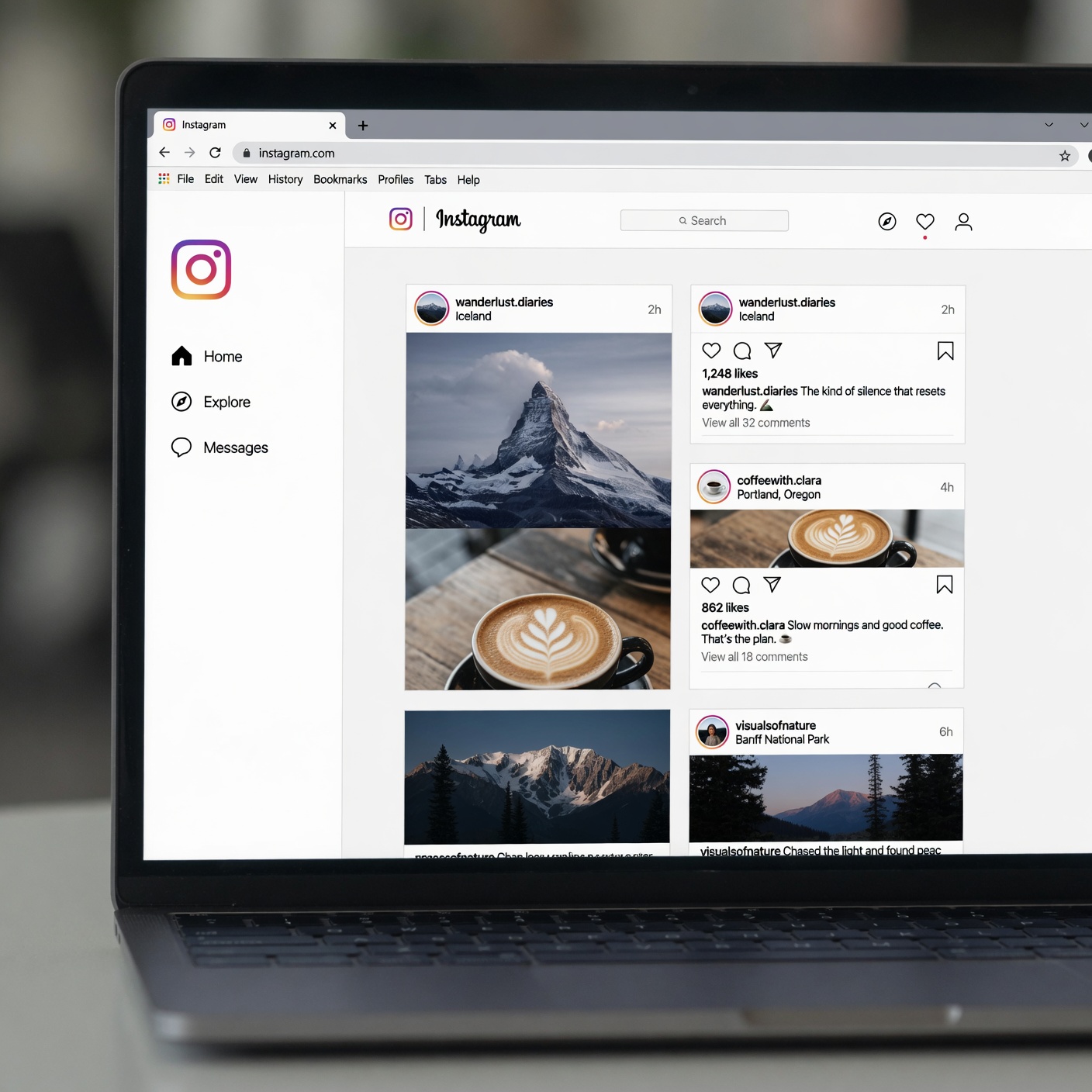
In the past, you only compared yourself to your neighbors and coworkers. Today, you carry a device in your pocket that constantly blasts you with images of the wealthiest 1% of the global population.
This creates a phenomenon known as Financial Dysmorphia—a distorted view of what “normal” finances look like.
The Algorithm of Envy
Social media platforms are engines of comparison.
-
The Illusion: You see an influencer’s luxury vacation, a friend’s new home, and a cousin’s expensive wedding.
-
The Reality: You do not see the credit card debt used to fund the vacation, the massive mortgage stress behind the home, or the lack of retirement savings.
Because we only see the consumption (spending) and never the balance sheet (net worth), we assume everyone else is rich. This creates a false benchmark. You feel “behind” because you are comparing your messy, behind-the-scenes reality with everyone else’s carefully curated highlight reel.
To bridge this emotional gap, we spend money we don’t have to project an image we can’t afford.
3. Conspicuous Consumption and Status Signaling
Thorstein Veblen coined the term “Conspicuous Consumption” in 1899 to describe spending money on luxury goods specifically to publicly display economic power.
In the modern world, this has shifted. While luxury bags and watches are still popular, status signaling has become more subtle and expensive.
The New Status Symbols
-
Experiences over Things: Posting a photo from a $500-a-night eco-resort in Bali signals more status today than a designer handbag. It implies you have the time, freedom, and cultural capital to travel.
-
Health and Wellness: Expensive gym memberships (like Equinox or specialized Pilates studios) and organic grocery shopping are modern status symbols. They signal that you have the resources to prioritize self-care.
The problem is that these “micro-signals” add up. You might not buy a Ferrari, but you might spend $1,000 a month on “socially acceptable” lifestyle choices just to fit in with your peer group’s standard of living.
4. Investment FOMO: The Herd Mentality in Markets

Social pressure doesn’t just affect how we spend money; it dictates how we invest it.
The most dangerous acronym in finance is FOMO (Fear Of Missing Out).
The Meme Stock Phenomenon
Think back to the crypto booms or the GameStop frenzy. Millions of people poured money into highly risky assets not because they analyzed the balance sheets, but because “everyone else was doing it.”
-
The Social Loop: When your brother-in-law brags about making 300% on a coin, and your Twitter feed is full of screenshots of massive gains, staying invested in a boring Index Fund feels like losing.
-
The Crash: When the herd turns, it turns fast. Investors who bought in due to social pressure usually sell in panic when the social sentiment shifts, locking in massive losses.
Rational investing is often boring. Social investing is exciting, emotional, and usually destructive to long-term wealth.
5. The “Wedding Tax” and Life Milestones
Social pressure peaks during major life transitions. Society has a rigid “script” for how these events should look, and deviating from the script is socially risky.
The Wedding Industry
The average wedding costs tens of thousands of dollars. Why? Because there is immense pressure to host a “perfect” day for guests.
-
Couples go into debt to pay for open bars, floral arrangements, and venues to satisfy the expectations of family and friends.
-
Financial logic says: “Use that money for a house down payment.”
-
Social pressure says: “If you have a cheap wedding, people will whisper.”
The Homeownership Trap
“Renting is throwing money away.” You have heard this phrase a thousand times from parents and peers.
This social dogma pushes young people to buy houses before they are financially ready, often buying too much house just to impress others. They end up “house poor”—owning a status symbol asset but having zero cash flow for their actual lives.
6. The Company You Keep: Financial Contagion
There is a famous saying: “You are the average of the five people you spend the most time with.” This is mathematically true for your finances.
Spending habits are contagious. If your best friends love fine dining, expensive cocktails, and international travel, it is nearly impossible for you to be a frugalist without losing the friendship.
The “Split the Bill” Anxiety
We have all been there. You order a side salad to save money, but the table decides to “just split the bill evenly.”
-
The Pressure: Do you speak up and look “stingy,” or do you pay $50 for a salad to keep the peace?
Most people choose to pay. Over a lifetime, this inability to set boundaries with friends—the fear of being the “cheap one”—can cost you hundreds of thousands of dollars in lost savings and compound interest.
7. Generational Pressure: The “Sandwich” Expectation
Social pressure doesn’t just come from peers; it comes from family.
The “Successful Child” Syndrome
In many cultures, there is an expectation that if you have a high-paying job, you must display it. Parents might pressure children to buy a luxury car or a large house because it reflects well on the family’s status.
The “Good Parent” Trap
Conversely, parents feel immense pressure to provide their children with the same luxuries their peers have.
-
“All the other kids have the new iPhone.”
-
“All the other kids go to private school.”
Parents often sacrifice their own retirement security to fund a lifestyle for their children that guarantees social acceptance, creating a cycle of financial insecurity.
8. The Cost of “Yes”: Debt and Stress
What is the actual result of all this pressure?
1. The Debt Spiral:
When your income is $5,000 a month but your “socially required” lifestyle costs $6,000, the difference goes on credit cards. This debt is the price of admission to a social class you cannot actually afford.
2. The Golden Handcuffs:
To maintain the high-status lifestyle, you become trapped in a high-stress job you hate. You cannot quit or take a pay cut to pursue a passion because you have a mortgage and lease payments that require a high income. You trade your freedom for appearances.
3. Chronic Anxiety:
Living a financial lie is exhausting. The constant fear of being “found out”—that people will discover you aren’t as rich as you look—creates a background hum of anxiety that affects health and relationships.
9. Breaking Free: The Art of “Loud Budgeting”
So, how do we opt out? How do we live in society without going broke?
A new trend is emerging on TikTok and social media called “Loud Budgeting.” It is the antidote to quiet luxury. It is the act of explicitly and confidently stating that you are saving money.
How to Practice Loud Budgeting
Instead of making up a lie about why you can’t go to dinner (“I’m busy,” “I’m sick”), you tell the truth.
-
“I’d love to see you, but I’m hitting a savings goal this month so I’m not doing expensive dinners. Want to come over for a drink instead?”
Why it works:
-
It kills the shame. By owning your financial goals, you frame them as a strength, not a weakness.
-
It gives others permission. You will be surprised how many of your friends are also secretly broke and relieved that you suggested a cheaper option.
10. Strategies to Immunize Yourself Against Pressure

Here is a practical toolkit to protect your wallet from the crowd.
A. Define Your “Rich Life” Values
Sit down and write what actually makes you happy. Is it travel? Is it gardening? Is it video games?
-
The Strategy: Spend lavishly on the things you love, and cut costs mercilessly on the things you don’t.
-
If you don’t care about cars, drive a 10-year-old Honda with pride. It is not “cheap”; it is a strategic allocation of resources toward what matters to you.
B. The 24-Hour Rule
Never buy anything over $50 immediately.
-
Retailers and influencers use urgency to trigger FOMO.
-
Waiting 24 hours allows your logical brain to catch up with your emotional brain. Usually, the social pressure to buy the item fades once you step away from the screen.
C. Curate Your Feed
Unfollow accounts that make you feel poor.
-
If an influencer makes you feel inadequate about your house or clothes, hit unfollow.
-
Replace them with accounts that focus on financial literacy, minimalism, or hobbies that don’t require spending. Control your inputs to control your desires.
D. Calculate the “Life Energy” Cost
Before buying a status symbol, calculate how many hours you had to work to pay for it.
-
Is that designer belt worth 20 hours of sitting in meetings?
-
Usually, the answer is no.
The Ultimate Flex is Freedom
Social pressure is powerful because it preys on our deepest insecurities. It whispers that we are not enough unless we buy more.
But the tide is turning. We are entering an era where Financial Independence is the ultimate status symbol.
True wealth is not a leased BMW or a closet full of Gucci. True wealth is the ability to quit a toxic job, to take a year off to travel, or to sleep soundly knowing you can handle any emergency.
When you stop trying to impress people who don’t care about you, with money you don’t have, you unlock a level of freedom that no luxury item can provide. The next time you feel the pressure to spend, ask yourself: “Am I buying this for me, or am I buying this for the audience?”
Choose yourself.