How to Apply for a Chase Credit Card (Step-by-Step Guide)
Everything You Need to Know Before Applying for a Chase Card
Navigating the world of credit cards can feel overwhelming, but securing a top-tier card from a major issuer like Chase is often a key step in building a strong financial future and unlocking valuable rewards. Chase offers some of the most sought-after travel and cash-back credit cards on the market, from the popular Chase Sapphire Preferred® to the powerful Ink Business Preferred®. However, the application process can seem intimidating, especially for beginners. What credit score do you need? What is the infamous “5/24 rule”? What information do you need to have ready?
This comprehensive, step-by-step guide will demystify the entire process of applying for a Chase credit card. We will walk you through everything from the crucial pre-application checklist to hitting the “submit” button with confidence. We’ll also dive deep into what happens after you apply, including how to check your application status and what to do if you aren’t instantly approved. By the end of this article, you will have a clear, actionable roadmap to successfully apply for the Chase card that best fits your financial goals, ensuring you are well-prepared and positioned for approval.
Before You Apply: A Crucial Pre-Application Checklist

Jumping straight to the application form is a common mistake. Taking the time to prepare can dramatically increase your chances of approval and ensure you’re choosing the right card. Think of this as laying the groundwork for a successful application.
1. Check Your Credit Score and Reports
This is the single most important step. Chase, like all major issuers, relies heavily on your credit history to determine your creditworthiness. Most premium Chase cards, especially in the Sapphire and Ink families, require a good to excellent credit score, which generally means a FICO score of 670 or higher, with scores above 700 having a much stronger chance of approval.
- How to Check Your Score: You can get a free credit score from many sources, including some of your existing credit card issuers, credit monitoring services like Credit Karma or Credit Sesame, or directly from the credit bureaus.
- Review Your Credit Reports: Beyond the score itself, you need to review your full credit reports from the three major bureaus: Equifax, Experian, and TransUnion. You are entitled to a free report from each bureau every week through AnnualCreditReport.com. Look for any errors, such as incorrect late payments or accounts you don’t recognize, and dispute them immediately. An error on your report could be unfairly dragging down your score.
- Key Factors: Pay attention to your payment history (on-time payments are crucial), credit utilization ratio (the amount of debt you’re using compared to your total credit limits – aim to keep this below 30%), and the length of your credit history.
2. Understand the Chase 5/24 Rule
This is a critical, unwritten rule that every Chase applicant must know. The Chase 5/24 rule means that if you have opened five or more new personal credit card accounts in the past 24 months, your application for most Chase cards will automatically be denied, regardless of your credit score or income.
- What Counts Towards 5/24?
- Any new personal credit card from any bank (not just Chase).
- Being added as an authorized user on someone else’s credit card.
- What Generally Does NOT Count Towards 5/24?
- Most business cards (including Chase’s own Ink business cards).
- Auto loans, mortgages, and student loans.
- How to Check Your 5/24 Status: You’ll need to manually review your credit report and count the number of new credit card accounts opened in the last 24 months. This rule is why financial experts often recommend that those new to the rewards hobby apply for Chase cards first before moving on to other issuers.
3. Choose the Right Chase Card for You
Don’t just apply for a card because you heard it was popular. Analyze your own spending habits and financial goals to find the best fit.
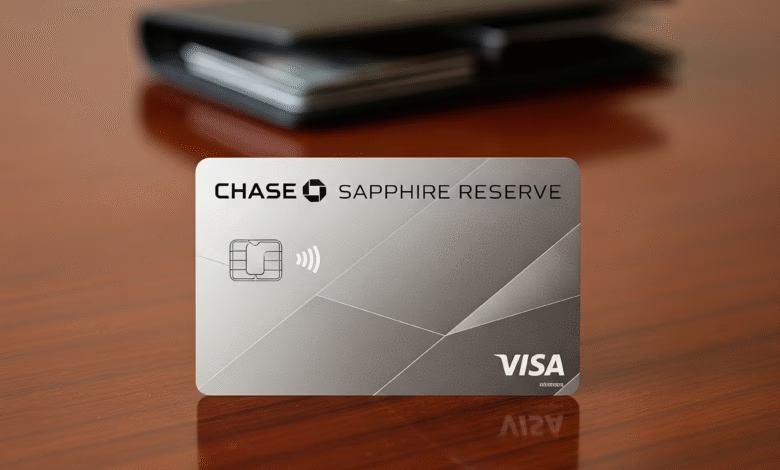
- For Travelers: The Chase Sapphire Preferred® is a fantastic starting point with great travel protections and flexible points. The Chase Sapphire Reserve® is the premium option for frequent flyers who value lounge access and travel credits.
- For Cash Back: The Chase Freedom Unlimited® and Chase Freedom Flex℠ offer excellent cash-back rates on various categories with no annual fee.
- For Business Owners: The Chase Ink Business Preferred® is a powerhouse for earning rewards on common business expenses.
- For Brand Loyalists: Consider co-branded cards like the World of Hyatt Credit Card or the United℠ Explorer Card if you are loyal to a specific hotel or airline.
Research the card’s welcome bonus, earning rates, annual fee, and benefits to ensure it aligns with your lifestyle.
4. Gather Your Personal and Financial Information
To make the application process smooth and quick, have the following information ready before you begin:
- Full Name, Date of Birth, and Social Security Number (SSN)
- Physical Address (not a P.O. Box)
- Total Gross Annual Income: This is a crucial figure. Be honest and include all sources of income you have reasonable access to. This can include salary, wages, bonuses, freelance income, and sometimes even a spouse’s income if it’s accessible to you for repaying debts.
- Source of Income (e.g., employed, self-employed, retired)
- Housing Information (rent or own) and your monthly mortgage or rent payment.
The Application Itself: A Step-by-Step Walkthrough

Once you’ve done your homework, the online application is quite straightforward. Here’s how to navigate it.
Step 1: Go to the Official Chase Website
Always apply directly through the official Chase.com website or a trusted affiliate link from a reputable financial review site. Avoid clicking on unsolicited links in emails or text messages, which could be phishing scams.
Step 2: Navigate to the Card’s Application Page
Find the specific card you chose and click the “Apply Now” button. This will take you to the secure application form.
Step 3: Fill Out Your Personal Information
This is where you’ll enter the details you gathered earlier. The application is typically divided into a few sections:
- About You: Name, address, date of birth, etc.
- Financial Information: Gross annual income, source of income, and monthly housing payment. Be accurate and honest. Inflating your income is considered fraud.
- Security: This section will ask for your SSN and mother’s maiden name for identity verification.
Step 4: (Optional) Add Authorized Users
You will have the option to add an authorized user to the account. This person will receive a card with their name on it but you, as the primary account holder, will be responsible for all charges made on the account. Note that on some cards, adding an authorized user may have an additional fee.
Step 5: Review the Terms and Conditions
This is a legally binding agreement. Scroll through and carefully read the “Pricing & Terms.” Pay close attention to:
- Annual Percentage Rate (APR): The interest rate for purchases, balance transfers, and cash advances.
- Annual Fee: The yearly cost of holding the card.
- Penalty Fees: Fees for late payments or returned payments.
Step 6: Submit Your Application
Once you’ve double-checked all your information for accuracy and agreed to the terms, you can click the “Submit” button. The moment of truth has arrived!
After You Apply: Understanding Your Application Status
After you submit, one of three things will happen. Chase’s automated system will review your application and provide a decision, sometimes within seconds.
Outcome 1: Instant Approval
Congratulations! This is the best-case scenario. You will see a message on the screen confirming your approval, along with your new credit limit and the estimated arrival date of your card (typically 7-10 business days).
Outcome 2: Instant Denial
This is disappointing, but it’s not the end of the road. Chase is legally required to send you a letter (an adverse action notice) within 7-10 days explaining the specific reasons for the denial. Common reasons include a low credit score, too many recent inquiries, a high debt-to-income ratio, or the 5/24 rule.
Outcome 3: Pending Review (The Most Common Outcome)
Most often, you will receive a message stating that your application is pending and requires further review. It will usually say you’ll receive a decision in writing within 7-10 business days or up to 30 days. Do not panic! This is very common and does not mean you will be denied. It often simply means that the automated system couldn’t make an instant decision and a human credit analyst needs to look at your file.
What To Do If Your Application Is Pending or Denied

If you weren’t instantly approved, you don’t have to sit back and wait helplessly for a letter to arrive. You can be proactive.
How to Check Your Chase Application Status
You can check the status of your application online or by phone.
- Online Status Checker: Chase has a dedicated secure portal where you can check your application status. You’ll need to enter your Social Security Number and last name.
- Automated Phone Line: You can call the Chase application status line at 1-800-432-3117. Follow the prompts (press #, then 3) and enter your SSN to get an automated update.
The Power of the Reconsideration Line
If your application is pending or you receive a denial letter, your next step should be to call the Chase reconsideration line. This is a department staffed by credit analysts who have the authority to manually review and overturn an automated decision.
- Personal Reconsideration: 1-888-270-2127
- Business Reconsideration: 1-800-453-9719
Tips for a Successful Reconsideration Call:
- Be Polite and Prepared: The analyst is a person who can help you. Be courteous and have your application reference number and personal details ready.
- Know Why You Were Denied: If you received the letter, refer to the reasons listed. If your application is pending, simply ask for an update and if they need any more information to process it.
- State Your Case: Explain why you want the card and why you are a responsible credit user. Highlight your positive financial attributes, such as your income, your long history with other banks, and your excellent payment history.
- Offer to Shift Credit: If the denial was due to Chase feeling they have already extended you enough credit, you can offer to move some of the credit limit from an existing Chase card to the new card to get it approved.
A polite and well-prepared call to the reconsideration line can often turn a denial into an approval.
By following this detailed guide, you are now equipped with the knowledge to navigate the Chase credit card application process like a pro. From checking your credit and understanding the 5/24 rule to confidently making a reconsideration call, you have all the tools you need to take the next step in your financial journey.