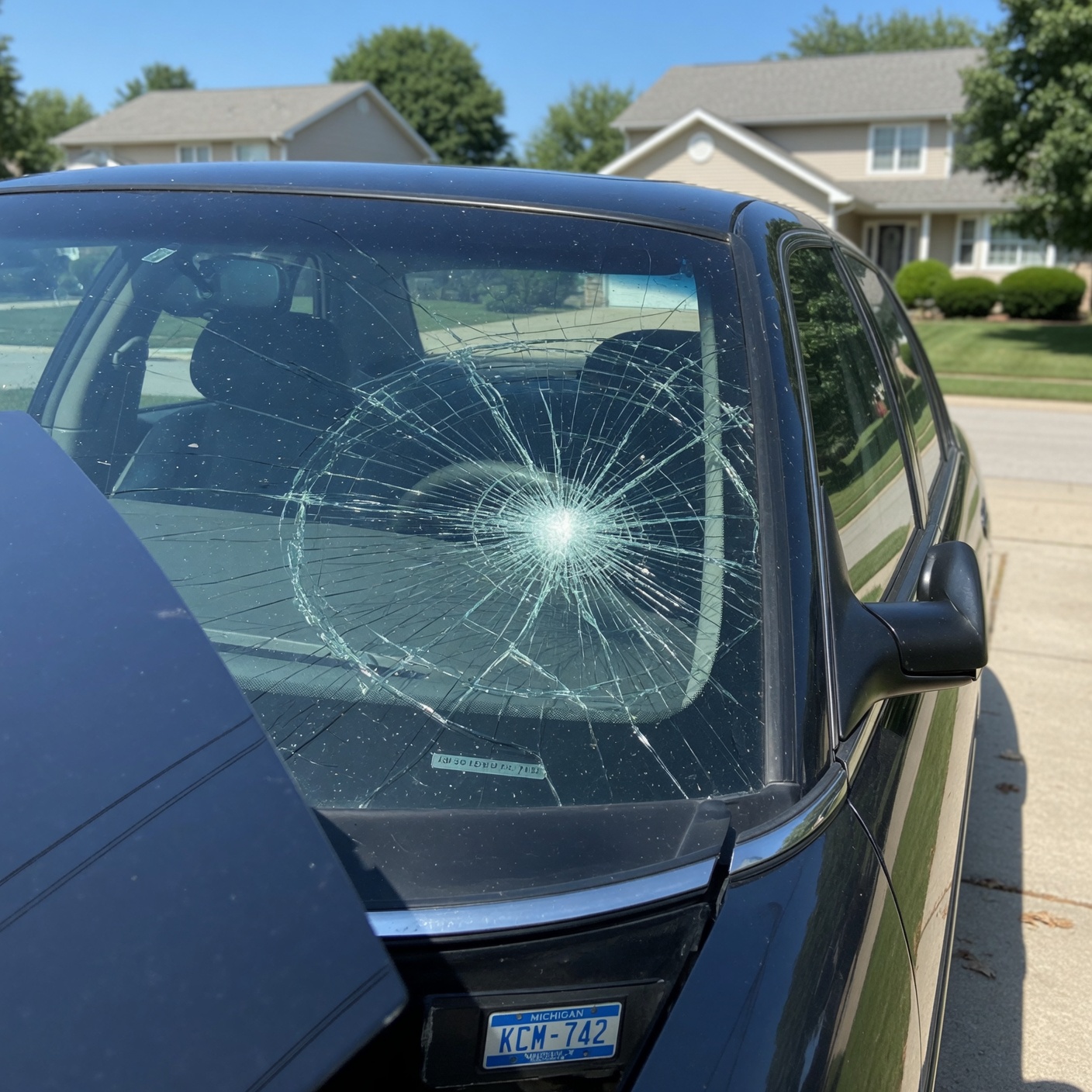
Delivery driver insurance: is it worth the investment?
Find out if it’s worth getting insurance for delivery drivers and which protections make a difference in day-to-day work
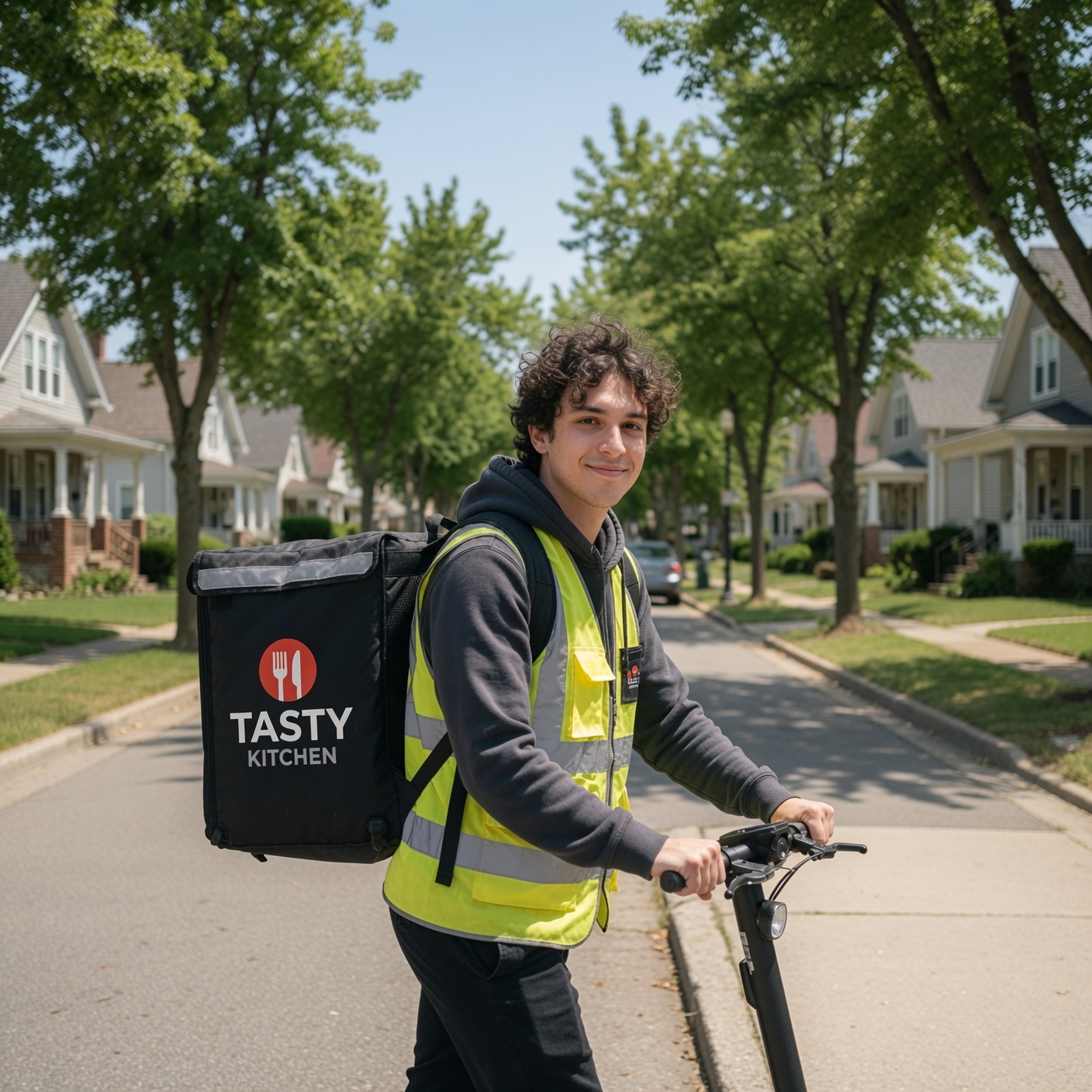
The gig economy has fundamentally changed how we earn a living. With the rise of food delivery apps and on-demand courier services, millions of individuals have taken to the roads to turn their vehicles into sources of income. However, alongside the flexibility and earning potential, a critical question arises for every driver: “Do I have the right insurance coverage?”
Many drivers operate under the assumption that their standard personal auto insurance policy covers them while they are on the clock. Unfortunately, this is a dangerous misconception that can lead to devastating financial consequences. Understanding delivery driver insurance—what it is, how it works, and why it is essential—is the first step toward protecting your assets and your future.
The Reality of Personal Auto Insurance Policies
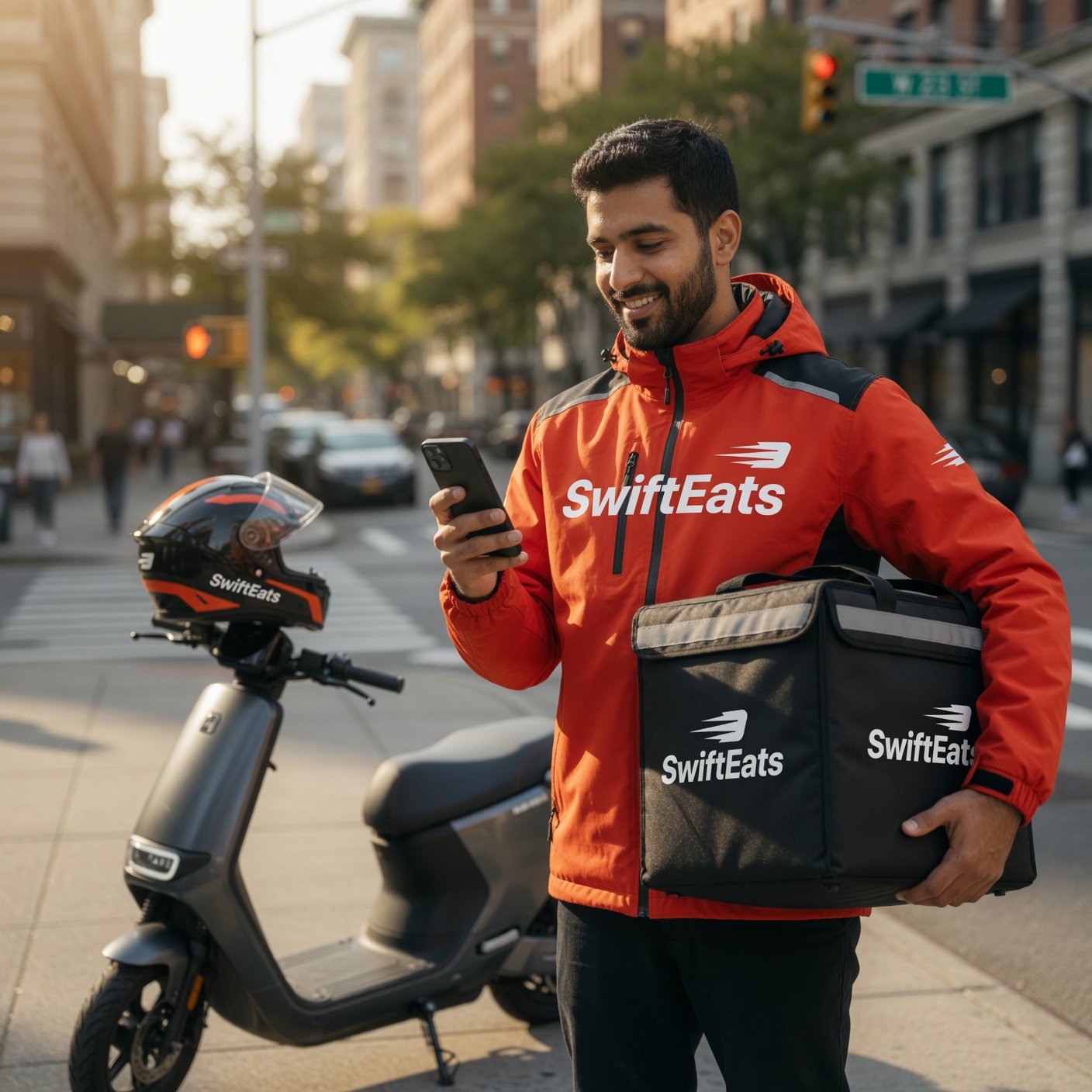
When you purchase a standard auto insurance policy, you are typically entering into a contract based on how you intend to use your vehicle: personal, recreational, or commuting. Insurance carriers calculate risk based on these specific categories.
Why Your Current Policy Likely Falls Short
Personal auto policies almost universally contain a “business use” exclusion. This clause stipulates that the coverage is null and void if the vehicle is being used for commercial purposes, including the delivery of goods for a fee.
When you sign up for a delivery platform, you are essentially engaging in a commercial enterprise. If you are involved in an accident while logged into an app, your personal insurance provider may deny your claim entirely. This leaves you personally liable for:
-
Damage to your own vehicle.
-
Medical bills for yourself and your passengers.
-
Liability costs if you are found at fault for damage to another person’s vehicle or property.
How Delivery App Coverage Works
Many delivery platforms provide a level of contingent liability coverage. While this sounds comforting, it is important to dissect what that actually means.
Understanding Contingent Liability
Platforms often carry “contingent” or “excess” liability policies. This means that if you are in an accident while actively delivering an order, the platform’s insurance might step in, but usually only after you have exhausted your own insurance—which, as we established, may refuse to pay.
Furthermore, these company-provided policies often only cover you from the moment you accept an order until the moment it is delivered. There is often a “grey zone”—the time you spend logged into the app waiting for an order—where you may have no coverage at all.
Types of Delivery Driver Insurance Options
To bridge the gap between personal coverage and commercial risk, drivers have several options. Understanding these is vital for anyone serious about delivery work.
1. Rideshare and Delivery Endorsements
The most cost-effective solution for many is a “rideshare” or “delivery” endorsement added to their existing personal policy. An endorsement is an amendment to your current policy that specifically extends coverage to include delivery activities.
-
Pros: Generally affordable; keeps all your coverage under one roof.
-
Cons: Not available in every state or with every insurance carrier.
2. Commercial Auto Insurance
If you are a full-time professional driver or managing a small fleet, a dedicated commercial auto policy is the gold standard. This policy is designed specifically for business vehicles.
-
Pros: Comprehensive coverage that protects you in almost every business-related driving scenario.
-
Cons: Significantly higher premiums compared to personal insurance.
3. Hired and Non-Owned Auto Insurance (HNOA)
For drivers who are independent contractors, this is often a crucial layer of protection. It protects against liability claims arising from business-related accidents while driving your personal vehicle.
Assessing the Financial Risks of Being Underinsured

To determine if insurance is “worth it,” you must weigh the cost of the premium against the potential cost of an uninsured accident. Consider these scenarios:
The Cost of a Totaled Vehicle
If you are involved in an accident and your personal insurance denies the claim because you were working, you are left with no financial support to repair or replace your vehicle. For many, the vehicle is the primary tool of the trade. Losing it effectively ends your ability to earn an income.
Liability and Lawsuits
In the event of a significant accident resulting in injuries to others, the damages can easily climb into the tens or hundreds of thousands of dollars. Without proper commercial coverage, you may be held personally responsible for these costs. This can result in:
-
Garnished wages.
-
Liens on property.
-
Long-term financial instability.
Factors That Influence Your Insurance Premiums
Insurance companies utilize complex algorithms to determine the cost of your premium. Understanding what they look for can help you manage your costs.
Driving History and Experience
A clean driving record is the most effective way to lower your insurance costs. Insurance carriers track tickets, accidents, and claims history. Drivers with a history of safe driving are rewarded with lower rates because they represent lower risk.
Vehicle Type and Usage
The type of vehicle you drive—its safety rating, repair costs, and value—directly impacts your premium. Additionally, the mileage you put on the vehicle is a major factor. A driver logging 500 miles a week is statistically at a higher risk of being involved in an incident than a driver logging 50 miles a week.
Location and Density
The environment in which you deliver matters. Delivery drivers working in dense, high-traffic urban centers face different risks than those working in quiet suburban areas. Higher traffic volume, more intersections, and urban congestion lead to higher insurance premiums.
Best Practices for Delivery Drivers
Beyond choosing the right insurance, maintaining a professional approach to safety can mitigate your risks.
Defensive Driving Techniques
Adopt defensive driving as a core part of your daily routine. This includes:
-
Scanning the Road: Anticipate the actions of other drivers.
-
Maintaining Space: Keep a safe distance between your vehicle and the one in front of you.
-
Avoiding Distractions: Never handle your phone or delivery app while the vehicle is in motion. Use a mount and voice commands whenever possible.
Regular Vehicle Maintenance
A well-maintained vehicle is a safer vehicle. Regularly check your:
-
Tires: Ensure proper pressure and sufficient tread depth.
-
Brakes: Ensure pads and rotors are in good condition.
-
Lights: Ensure your turn signals and headlights are fully functional.
How to Choose the Right Policy for Your Situation
Selecting a policy involves more than just picking the cheapest rate. Use this checklist to evaluate your options:
-
Transparency: Ask your agent, “Does this policy explicitly cover delivery activities as an independent contractor?”
-
Coverage Limits: Ensure your liability limits are high enough to protect your personal assets.
-
Deductibles: Choose a deductible that you can afford to pay in the event of an emergency.
-
Claims Process: Research how the insurer handles commercial or hybrid claims. You want a provider that is responsive and efficient.
The Long-Term View: Investing in Security
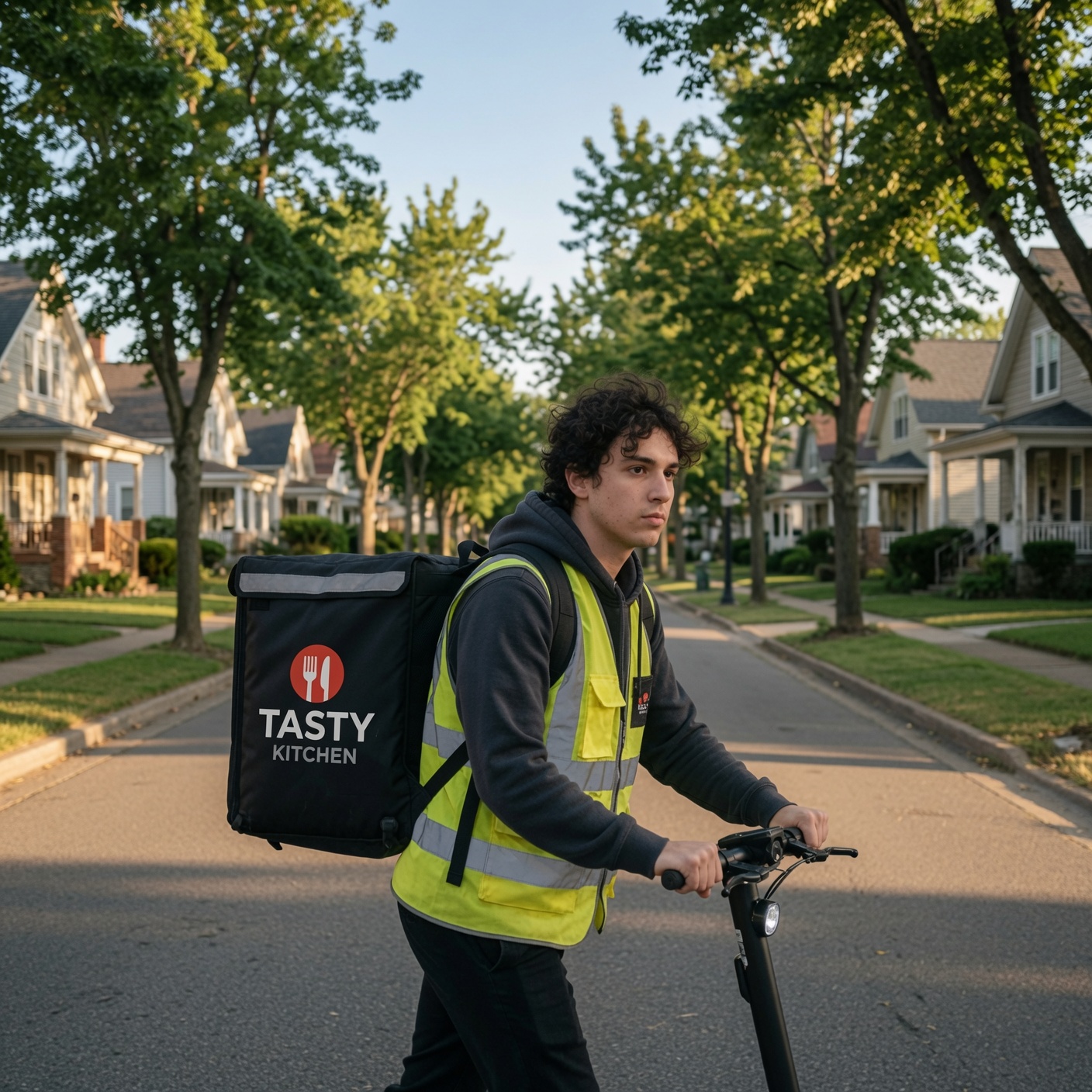
The question of whether delivery insurance is “worth it” can only be answered by the individual driver, but it should be viewed through the lens of long-term sustainability.
Consider the “peace of mind” factor. When you are properly insured, you do not have to worry about whether your livelihood will be wiped out by a single bad afternoon on the road. You can focus on providing excellent service to your customers without the nagging anxiety of potential legal and financial ruin.
Professional Growth and Financial Planning
If you intend to treat delivery as a serious occupation, treat your finances like a business. Budgeting for proper insurance should be considered a necessary “cost of doing business,” similar to gas, maintenance, and mobile data plans. By accounting for this cost upfront, you can set your delivery goals and earnings targets more accurately.
Navigating the Future of Gig Work
The insurance landscape is evolving. As the gig economy continues to grow, more insurance carriers are introducing flexible, “pay-per-mile” or “on-demand” insurance products. These policies allow you to toggle coverage on and off, potentially saving you money if you only deliver during certain times of the week. Keeping an eye on these developments can help you maintain high levels of coverage while optimizing your overhead costs.
Ultimately, your vehicle is your most significant business asset. Protecting it—and yourself—is not just an administrative task; it is the foundation upon which your professional driving career is built. While no one expects to be involved in an accident, the prudent driver prepares for the unexpected. When you have the right coverage in place, you are not just driving for an app; you are driving with the confidence that you are fully protected.