10 Transformational Books That Will Completely Change Your Relationship with Money
Discover 10 books that can transform your relationship with money and help you build healthier financial habits
It is a common misconception that masterfully managing personal finances is strictly a matter of mathematical prowess. Many assume that if they could only master complex spreadsheets, understand the intricate mechanics of stock market derivatives, or memorize tax codes, their financial struggles would vanish overnight.
In reality, money management is rarely about what you know. Instead, it is almost entirely about how you behave.
Your relationship with money is shaped by a complex web of childhood experiences, societal conditioning, cultural narratives, and subconscious beliefs. If you harbor a deep-seated belief that wealth is inherently corrupt, or that you are simply “bad with numbers,” no amount of budgeting software will help you build long-term wealth. To truly transform your financial reality, you must first transform your financial psychology.
One of the most effective, accessible, and time-tested methods to shift your mindset is through literature. Books allow you to step directly into the minds of self-made millionaires, behavioral economists, and financial philosophers. They dismantle toxic money scripts, offer fresh paradigms, and replace feelings of scarcity with a sense of clarity and abundance.
The following ten books are widely regarded as masterpieces in personal finance and psychology. Rather than just offering dry formulas, these books are designed to fundamentally rewrite your financial blueprint.
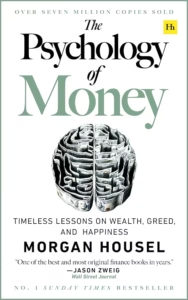
1. Understanding Behavioral Finance: The Psychology of Money by Morgan Housel
The Core Philosophy
Morgan Housel’s modern masterpiece asserts that doing well with money has little to do with how smart you are and a lot to do with how you behave. Through a series of short, highly engaging stories, Housel demonstrates that financial decisions are not made on a clean spreadsheet. Instead, they are made at dinner tables and in meeting rooms, where personal history, unique worldviews, pride, marketing, and odd incentives are scrambled together.
The Shift in Perspective
This book shifts your perspective from seeing money as a cold, math-based science to seeing it as a soft skill governed by human behavior. Housel helps readers dismantle the guilt of past financial mistakes by showing that no one is crazy; we all make decisions based on our unique experiences of how the world works. It redefines “wealth” not as the flashy items you buy, but as the options, freedom, and flexibility you possess but choose not to spend.
Key Actionable Takeaways
-
Define “Enough”: Learn to stop moving the financial goalposts. The hardest financial skill is getting the goalposts to stop moving, preventing lifestyle creep from swallowing your freedom.
-
Prioritize Room for Error: Leave a gap between what you think will happen and what could happen. An emergency fund is not just for expected disasters, but for a future you cannot predict.
-
Focus on Time Over Luxuries: The highest form of wealth is the ability to wake up every morning and say, “I can do whatever I want today.”
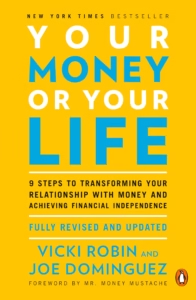
2. Reclaiming Your Life Energy: Your Money or Your Life by Vicki Robin and Joe Dominguez
The Core Philosophy
Originally published decades ago, this timeless classic remains a cornerstone of the financial independence movement. The authors introduce a revolutionary concept: money is not just currency; it is a direct representation of your “life energy.” Every dollar you spend represents hours of your finite, precious time on Earth that you traded to earn that dollar.
The Shift in Perspective
When you view prices in terms of “hours of life spent” rather than dollars, your spending habits change dramatically. Buying a luxury handbag is no longer a matter of whether you have $1,000 in your bank account; it becomes a question of whether that handbag is worth forty hours of your life energy at your current wage. This fundamental shift strips away mindless consumerism and replaces it with conscious, value-driven choices.
Key Actionable Takeaways
-
Calculate Your Real Hourly Wage: Deduct the costs of commuting, professional clothes, stress-relief, and meals out from your salary, and add the hours spent commuting and thinking about work. This reveals the true value of your time.
-
Track Every Cent: Establish a precise record of your inflows and outflows to build absolute awareness of where your life energy is flowing.
-
Align Spending with Values: Assess every expense by asking: “Did I receive satisfaction, utility, and value in proportion to the life energy spent?”
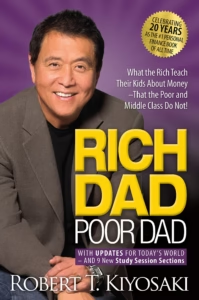
3. Shifting from Employee to Investor Mindset: Rich Dad Poor Dad by Robert Kiyosaki
The Core Philosophy
Robert Kiyosaki’s famous narrative contrasts the financial philosophies of two father figures: his biological father (a highly educated, hardworking academic who struggled financially) and his best friend’s father (a high school dropout who became one of the wealthiest men in Hawaii). The core of the book lies in a simple distinction: the poor and the middle class work for money, while the rich make money work for them.
The Shift in Perspective
This book completely redefines what an “asset” is. Many people consider their primary home to be their greatest asset, but Kiyosaki argues that if it takes money out of your pocket every month, it is actually a liability. This book shifts your focus away from simply climbing the corporate ladder to secure a higher salary, and redirects it toward acquiring income-producing assets that build generational wealth.
Key Actionable Takeaways
-
Acquire Income-Producing Assets: Focus your energy on buying or building assets (stocks, real estate, businesses, intellectual property) that generate continuous cash flow.
-
Pay Yourself First: Before paying your bills, allocate a portion of your income directly to your investment accounts. This forces you to find creative ways to cover your expenses.
-
Invest in Your Financial Education: Your mind is your greatest asset. Dedicate time and resources to learning about accounting, investing, markets, and the law.
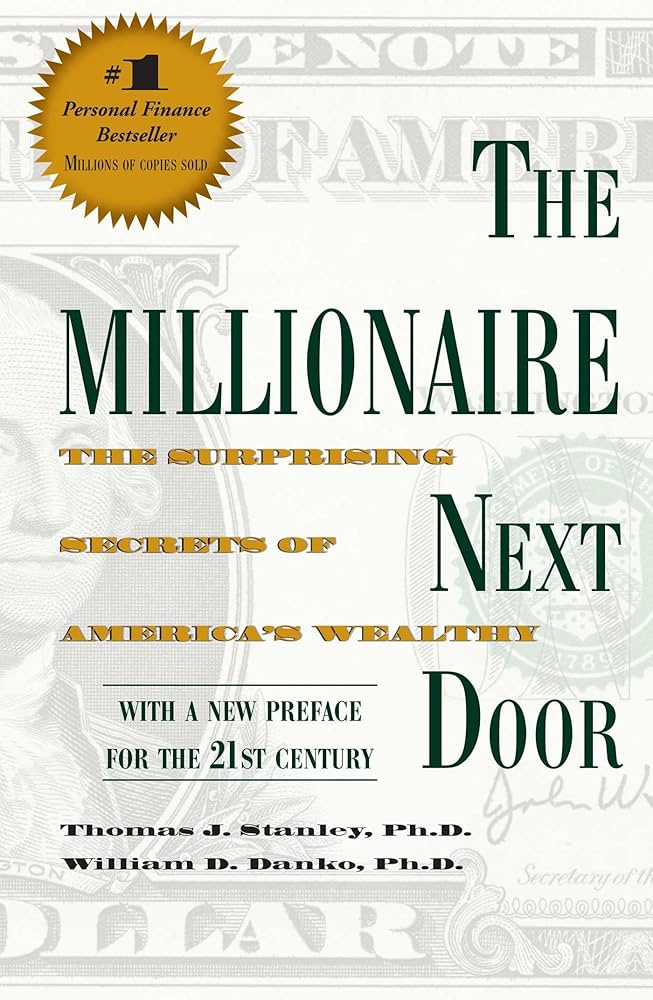
4. Uncovering Hidden Millionaire Habits: The Millionaire Next Door by Thomas J. Stanley and William D. Danko
The Core Philosophy
Based on decades of exhaustive research and interviews with actual millionaires, this eye-opening book dismantles the media-driven myth of how wealthy individuals live. The authors reveal that the majority of truly wealthy people in America do not live in mansions, drive sports cars, or wear luxury designer clothing. Instead, they live in average neighborhoods, drive used cars, and practice extreme discipline and frugality.
The Shift in Perspective
This book forces you to distinguish between “looking rich” and “being wealthy.” High income does not automatically equal high wealth; if you earn $500,000 a year but spend $495,000 to maintain an extravagant lifestyle, you are not wealthy—you are merely living in a state of high-consumption vulnerability. True wealth is built on defensive spending, budgeting, and investment consistency.
Key Actionable Takeaways
-
Live Below Your Means: Consistently spend less than you earn, regardless of how much your income increases over time.
-
Allocate Time to Financial Planning: Wealthy individuals spend significantly more time planning their investments and managing their household budgets than under-accumulators of wealth.
-
Understand Economic Outpatient Care: Limit financial dependency within your family. Providing adult children with continuous financial gifts often suppresses their ability to build wealth of their own.
5. Automating Your Financial Success: I Will Teach You to Be Rich by Ramit Sethi
The Core Philosophy
Ramit Sethi offers a practical, no-nonsense, six-week program designed for people who want to enjoy life while systematically building wealth. Sethi rejects the traditional personal finance advice that focuses on obsessive penny-pinching—such as skipping your morning latte. Instead, he advocates for “conscious spending”: cutting costs mercilessly on things you do not care about, so you can spend extravagantly on the things you love.
The Shift in Perspective
Sethi shifts the conversation from restriction and guilt to automation and psychological wins. Instead of relying on willpower to save money every month, you can design a seamless system that automatically pays your bills, routes money to your investments, funds your savings goals, and leaves you with a worry-free pool of guilt-free spending money.
Key Actionable Takeaways
-
Automate Your Cash Flow: Set up automatic transfers so that when your paycheck arrives, it immediately goes to investments, savings, and fixed costs without you having to lift a finger.
-
Define Your “Rich Life”: Decide what brings you genuine joy (whether it’s luxury travel, high-end dining, or freedom of time) and design your financial plan around funding that specific lifestyle.
-
Focus on Big Wins: Stop agonizing over $3 coffees and focus on the major levers: negotiating your salary, buying a home with a great interest rate, and automating your investments.
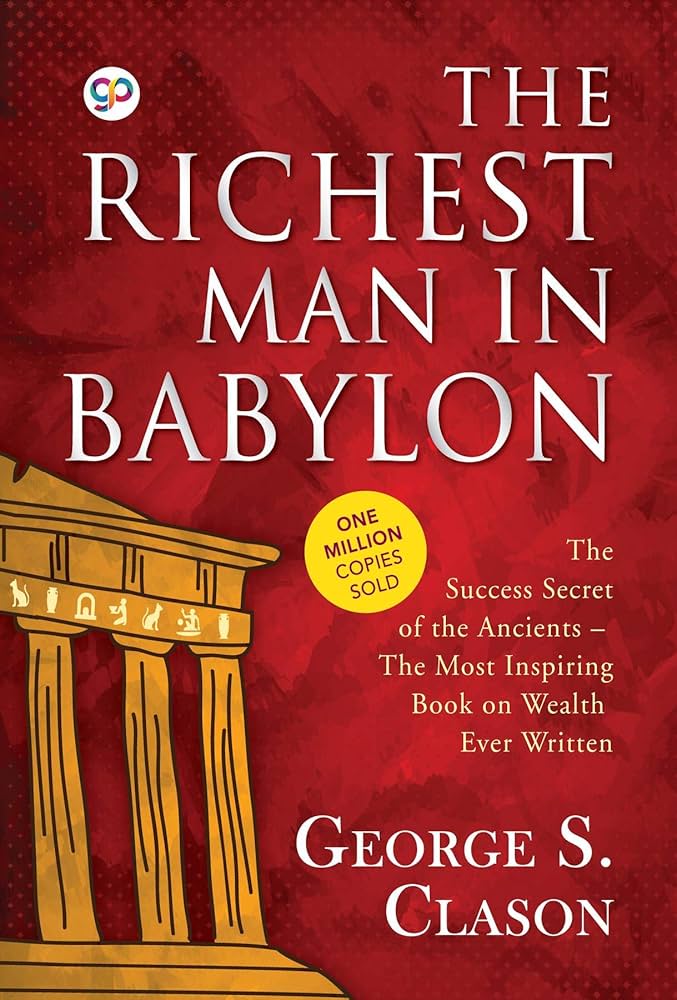
6. Embracing Timeless Money Laws: The Richest Man in Babylon by George S. Clason
The Core Philosophy
Set in the ancient city of Babylon, this classic personal finance book uses simple, timeless fables to explain the fundamental laws of wealth accumulation. Through the stories of merchants, tradesmen, and camel herders, Clason distills the principles of financial success into seven straightforward cures for a lean purse.
The Shift in Perspective
This book strips away the modern noise of complex financial instruments, high-frequency trading, and volatile markets. It reminds us that the fundamental laws of money have not changed for thousands of years. Wealth is not a secret reserved for the elite; it is the predictable outcome of practicing basic, consistent financial habits over a lifetime.
Key Actionable Takeaways
-
Keep a Portion of All You Earn: Pay yourself at least 10% of your earnings before paying anyone else.
-
Control Your Expenditures: Do not confuse your necessary expenses with your casual desires. Budget your spending to ensure you have enough to invest.
-
Make Your Gold Multiply: Put your savings to work by investing them where they can earn compounding interest, turning every dollar into an employee that works for you.
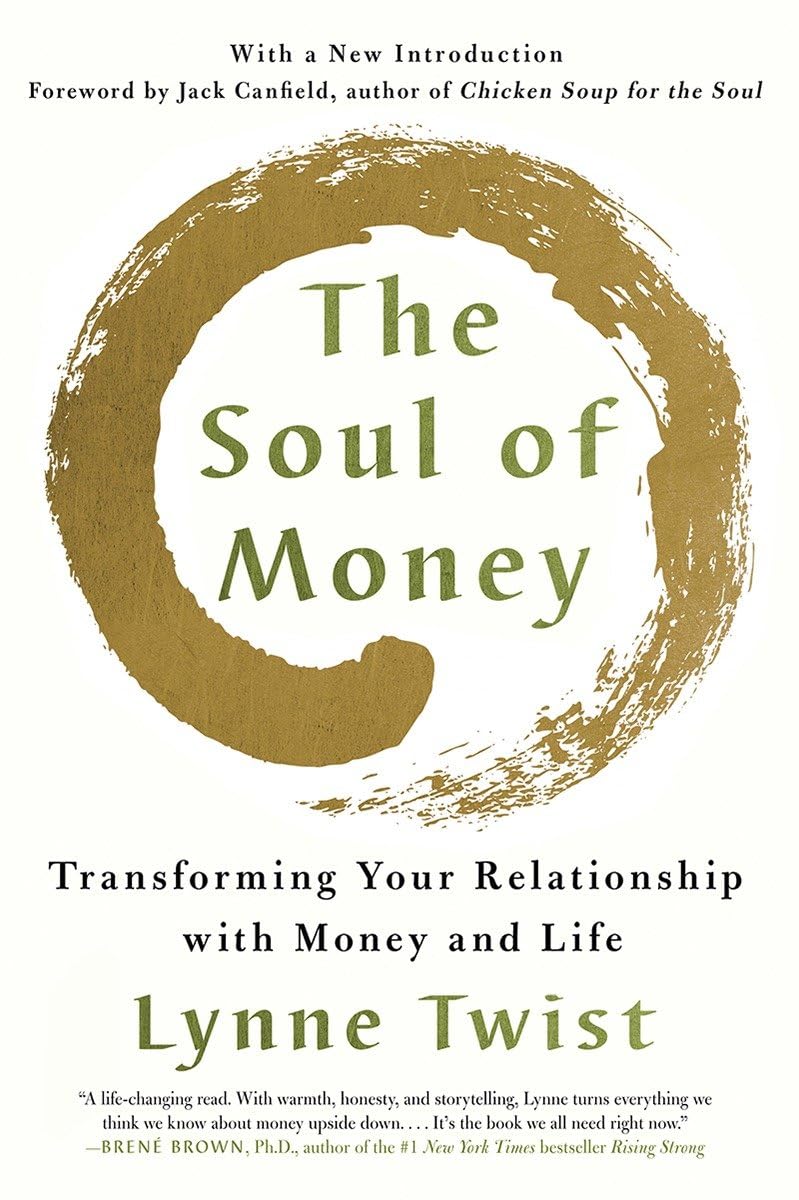
7. Overcoming Scarcity and Practicing Flow: The Soul of Money by Lynne Twist
The Core Philosophy
Global activist Lynne Twist explores our deeply rooted, highly emotional relationship with money. She argues that modern society lives in a self-imposed state of toxic scarcity—the subconscious belief that there is never “enough” to go around, which leads to fear, greed, hoarding, and comparison. Twist encourages readers to move from a mindset of scarcity to a mindset of sufficiency and appreciation.
The Shift in Perspective
This book shifts your focus from the quantitative aspect of money (how much you have) to the qualitative aspect (how your money flows). Twist shows that when you treat money as a channel for your love, values, and vision, it ceases to be a source of anxiety and becomes an instrument for positive change in your life and the lives of others.
Key Actionable Takeaways
-
Examine the “Scarcity Myth”: Recognize when you are operating out of a fear of not having enough, and actively pivot your attention to the abundance and sufficiency already present in your life.
-
Align Your Money with Your Soul: Ensure your spending reflects your deepest personal values. When your money supports your morals, you experience a profound sense of inner wealth.
-
Practice Collaboration Over Competition: Seek financial opportunities that create win-win scenarios rather than operating from a zero-sum mentality.
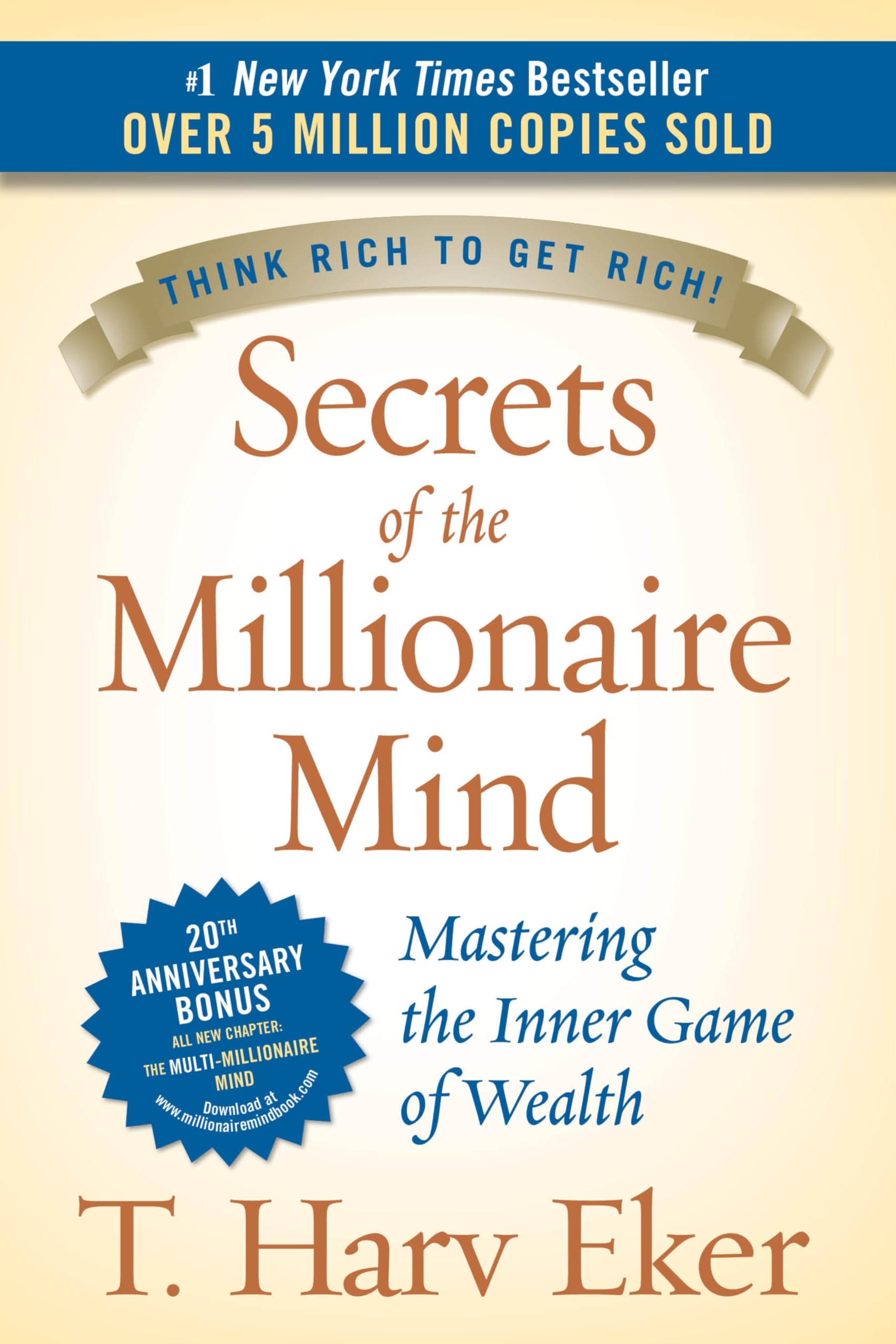
8. Rewiring Your Subconscious Financial Blueprint: Secrets of the Millionaire Mind by T. Harv Eker
The Core Philosophy
T. Harv Eker asserts that your financial success is determined by your inner “money blueprint”—a set of subconscious beliefs about money, wealth, and rich people that you developed in early childhood. If your subconscious blueprint is set for a low level of financial success, no amount of knowledge, skills, or luck will help you stay wealthy in the long run.
The Shift in Perspective
This book shifts your focus inward. Eker challenges you to identify and rewrite your “money scripts.” He contrasts the thinking patterns of rich people with those of poor and middle-class people, arguing that wealth is a direct reflection of your thoughts, which lead to feelings, which lead to actions, which ultimately produce your financial results.
Key Actionable Takeaways
-
Identify Your Childhood Conditioning: Reflect on what you heard, saw, and experienced regarding money growing up, and consciously release any limiting beliefs that no whom belong to you.
-
Take Complete Responsibility: Stop playing the role of the victim. Recognize that you are the creator of your financial success, and that every financial outcome is a result of your choices.
-
Adopt a Growth Mindset: Actively practice the “Wealth Files” outlined in the book, focusing on solutions rather than problems, and aligning yourself with people who inspire and elevate you.
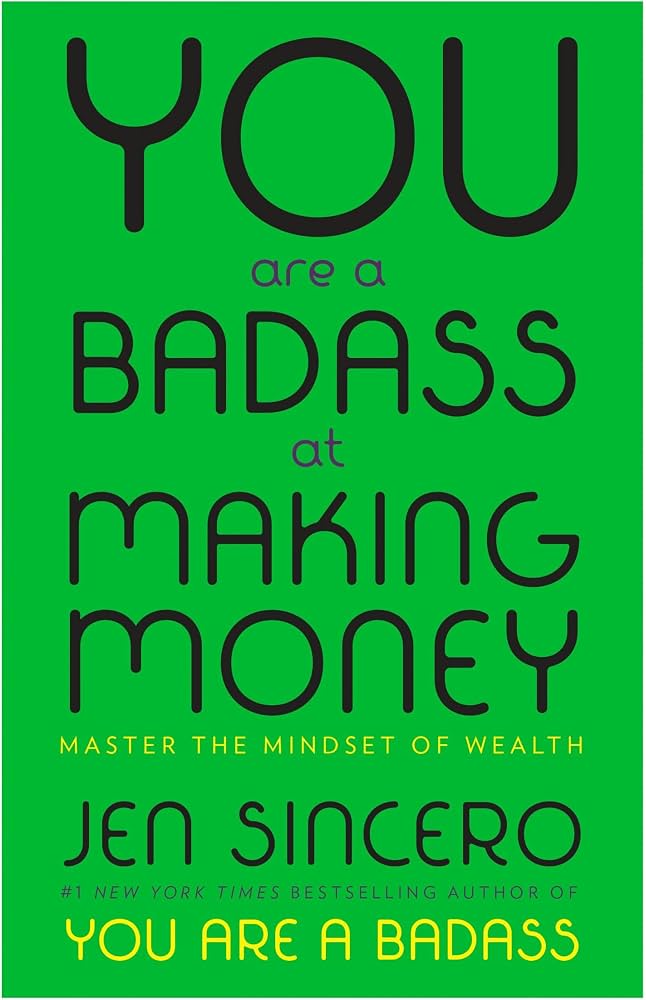
9. Breaking Free from Limiting Beliefs: You Are a Badass at Making Money by Jen Sincero
The Core Philosophy
Written in her signature humorous, energetic, and highly relatable style, Jen Sincero tackles the deep-seated fears and mental blocks that keep people broke. She addresses the common cultural belief that desire for money is dirty, selfish, or unspiritual, and reframes wealth-building as a natural extension of self-love, creativity, and service.
The Shift in Perspective
Sincero shifts your relationship with money from a source of intimidation and embarrassment to an exciting, positive energy. She encourages readers to drop their victim mentalities, embrace their inherent worth, and approach money with playfulness, curiosity, and bold confidence.
Key Actionable Takeaways
-
Upgrade Your Language: Pay close attention to how you speak about money. Eliminate phrases like “I can’t afford that” and replace them with “How can I afford that?” or “I am choosing to spend my money elsewhere.”
-
Get Clear on Your “Why”: Determine exactly why you want to make money. When your financial goals are tied to a deep, meaningful purpose, you will find the courage to take bold risks.
-
Adopt an Abundance Mindset: Treat money as an infinite resource that is constantly circulating. Trust in your ability to create value and be rewarded for it.
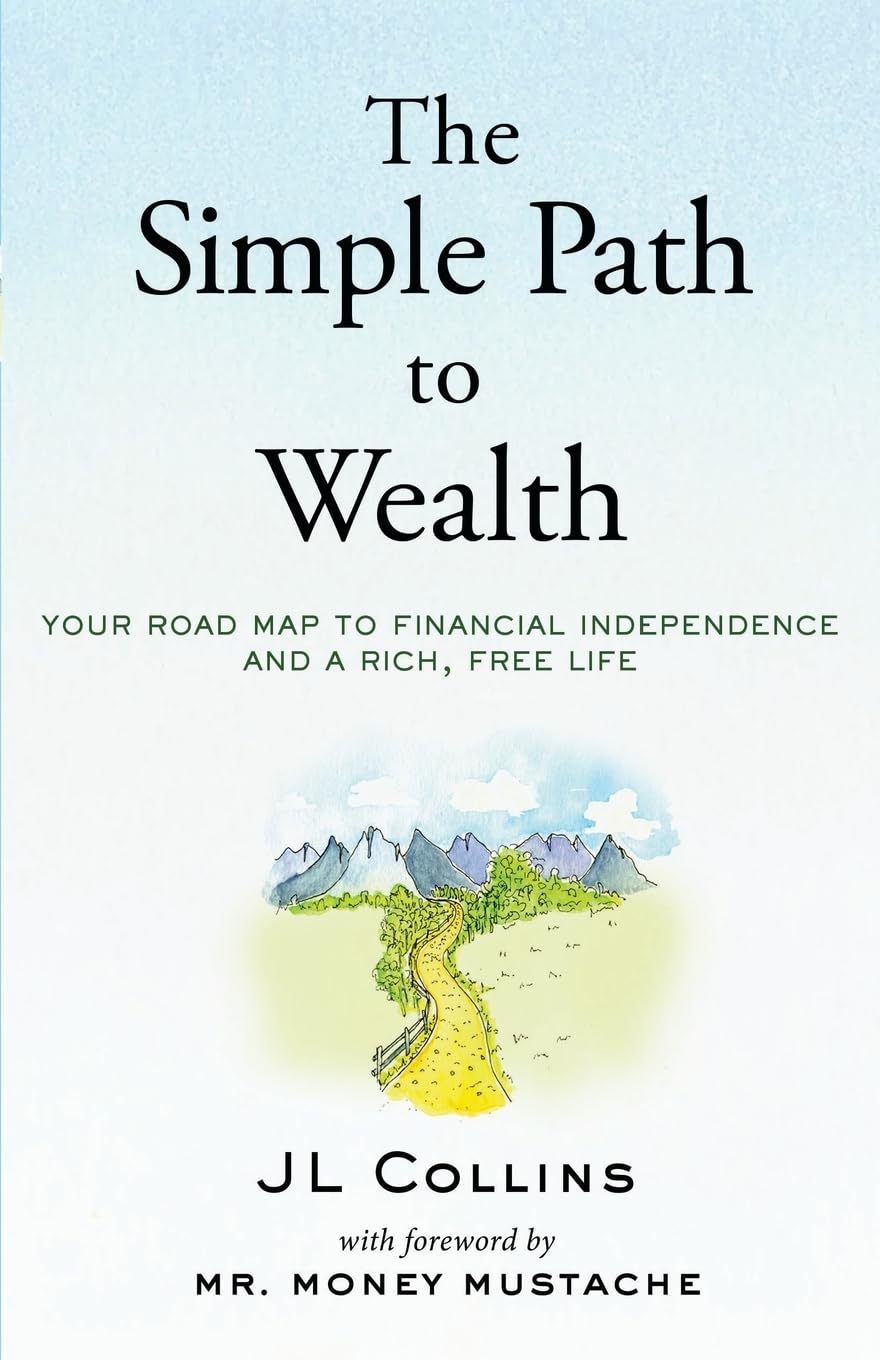
10. Simplifying Wealth Creation: The Simple Path to Wealth by JL Collins
The Core Philosophy
Originally written as a series of letters to his daughter, JL Collins’ book is a masterclass in financial simplicity. Collins strips away the overwhelming complexity of the financial industry, arguing that building wealth is actually incredibly simple. The core strategy centers around living below your means, avoiding debt entirely, and putting your money into low-cost broad-market index funds.
The Shift in Perspective
This book removes the fear and intimidation associated with the stock market. Instead of viewing investing as a chaotic casino where you must constantly buy and sell individual stocks, Collins shows you how to treat the market as an incredibly powerful wealth-building machine that rewards long-term patience, simplicity, and emotional stability.
Key Actionable Takeaways
-
Strive for “F-You Money”: Accumulate enough savings to give you the ultimate freedom to walk away from toxic work environments, bad relationships, or stressful situations.
-
Embrace Index Fund Investing: Keep your investment strategy simple. Put your money into a low-cost, broad-market index fund (such as a total stock market index fund) and let compounding interest do the heavy lifting over decades.
-
Ignore the Noise: Avoid the temptation to time the market or panic-sell during downturns. Market crashes are normal, healthy occurrences; view them as opportunities to buy assets on sale.
The Psychology of Scarcity: How to Permanently Overcome a Poor Money Mindset
To successfully apply the wisdom from these books, it is crucial to understand the underlying mechanics of a “scarcity mindset.” A scarcity mindset is a cognitive state that occurs when you focus heavily on what you feel is missing in your life—whether that is time, connections, or money. When your mind is occupied by thoughts of lack, your cognitive capacity is severely diminished, making it difficult to make long-term, strategic decisions.
When you are trapped in a scarcity mindset, you are constantly reacting to immediate crises. You might take out a high-interest loan to cover a bill today, ignoring the fact that it will destroy your budget tomorrow. You might work yourself to the point of exhaustion, ignoring the long-term impact on your health and career prospects.
To shift from scarcity to a mindset of “sufficiency” or “abundance,” you must train your brain to recognize opportunities rather than obstacles.
This transformation does not happen overnight, but you can begin by introducing small, intentional daily habits:
-
Practice Financial Gratitude: Instead of stressing over your bills when they arrive, actively thank the universe or yourself for having the money to pay them. Focus on the service you received in exchange for that money—such as electricity, shelter, or a warm meal.
-
Reframe Your Financial Vocabulary: The words you use shape your reality. Stop telling yourself and others that you are “broke.” Instead, say “I am currently directing my resources toward other priorities.” This simple shift restores your power and reminds you that you are in control of your choices.
-
Celebrate the Success of Others: A scarcity mindset views the world as a finite pie—if someone else gets a slice, there is less for you. An abundance mindset understands that the pie is constantly expanding. When you see others succeeding financially, view it as proof of what is possible, and celebrate their success as a win for everyone.
Designing Your Financial Reading Plan: How to Apply These Lessons
Reading these books will provide you with a burst of inspiration, but long-term change only occurs when you systematically apply what you have learned. To prevent these books from simply sitting on your shelf, build a customized reading plan designed to address your specific financial bottlenecks.
Refer to the table below to determine which books are most relevant to your current financial goals:
| Financial Challenge | Primary Focus | Recommended Reading | Expected Outcome |
| High anxiety around bills and a constant fear of running out of money | Emotional Healing & Scarcity Shift |
The Soul of Money
You Are a Badass at Making Money |
Deep peace of mind, reduced financial anxiety, and a healthier relationship with spending. |
| Inability to save money despite earning a comfortable, high salary | Behavioral Modification & Lifestyle Creep |
The Psychology of Money
The Millionaire Next Door |
Clear spending limits, increased savings rate, and freedom from comparing yourself to others. |
| Overwhelmed by investment jargon and complex options | Simplicity & Long-Term Wealth Systems |
The Simple Path to Wealth
The Richest Man in Babylon |
A simple, automated investment strategy that runs quietly in the background. |
| Burnout, work stress, and a lack of free time | Time-to-Money Exchange & Lifestyle Alignment |
Your Money or Your Life
I Will Teach You to Be Rich |
A personalized definition of your “Rich Life” and an automated cash-flow system. |
By pairing these reading selections with consistent, daily reflection and step-by-step action, you will gradually dismantle your limiting money beliefs, build a robust, practical financial strategy, and pave a clear path toward sustainable wealth and peace of mind.