What to do before your first investment
Learn how to organize your finances and set goals before investing

The journey toward building wealth is one of the most rewarding endeavors you can undertake. However, it is also a path that is frequently misunderstood. With the rise of financial influencers, viral trading trends, and the ease of access provided by modern investment apps, it is tempting to jump straight into the market without a clear plan.
The excitement of making your first trade can be intoxicating. But successful investing is not about the thrill of the moment; it is about the discipline of a lifetime. Before you commit your hard-earned money to the stock market, real estate, or any other asset class, you must ensure your financial house is in order. Rushing into the market without a foundation is not investing—it is speculating, and it often leads to unnecessary stress and financial setbacks.
This guide will walk you through the essential steps to take before you place your first dollar into an investment account. By following these steps, you will not only protect your financial future but also position yourself to make smarter, more confident decisions that compound over time.
Establishing a Robust Emergency Fund

Before you even think about buying a single share of stock or an index fund, you must build an emergency fund. This is the cornerstone of financial stability. Life is unpredictable; cars break down, medical emergencies happen, and unexpected job losses can occur when you least expect them.
An emergency fund is a pool of cash—kept in a high-yield savings account—that is separate from your daily checking account. Its purpose is to cover three to six months of your essential living expenses.
Why is this a prerequisite for investing? Because if you invest all your money and a crisis hits, you may be forced to sell your investments at the worst possible time. If the market is down when you need cash, you will be forced to “sell low,” locking in a loss. By having an emergency fund, you ensure that your long-term investments can remain untouched, allowing them the time they need to grow and weather market volatility.
Managing and Eliminating High-Interest Debt
There is a common debate among investors: should you pay off debt or start investing? The answer largely depends on the interest rate of your debt.
If you have high-interest debt, such as credit card balances that carry interest rates of 15% to 25% or more, your absolute priority should be paying that off. Think of it this way: paying off a debt with a 20% interest rate is equivalent to getting a guaranteed 20% return on your money. No investment in the stock market can guarantee such a return.
By clearing high-interest debt first, you are not only saving yourself from the compounding weight of interest payments, but you are also freeing up a significant portion of your monthly cash flow. Once that debt is gone, the money you were using for interest payments can be redirected into your investment portfolio. This creates a powerful snowball effect that will accelerate your wealth creation once you do start investing.
Mastering Your Monthly Budget and Cash Flow
You cannot manage what you do not measure. Before investing, you need a crystal-clear understanding of your monthly cash flow. This means knowing exactly how much money is coming into your household and, more importantly, where it is going.
Many people view budgeting as a restrictive practice, but in reality, it is a tool for liberation. It allows you to consciously decide where your money goes rather than wondering where it went at the end of the month.
Track your expenses for at least three months to identify patterns. Are you spending too much on subscriptions you don’t use? Is your dining-out budget higher than you thought? By identifying “leaks” in your budget, you can redirect those funds into your investment accounts. The most successful investors aren’t always the ones who make the most money; they are the ones who consistently spend less than they earn and invest the difference.
Defining Your Financial Goals and Time Horizon
Investing without a goal is like setting sail without a destination. You might move, but you won’t know if you’re heading in the right direction. Before you start, ask yourself: Why am I investing?
-
Retirement: This is a long-term goal that requires consistency over decades.
-
Buying a Home: This might be a medium-term goal, perhaps five to ten years away.
-
Financial Independence: The goal of having your investments cover your living expenses.
Your goals dictate your strategy. If you need the money in two years, you cannot afford to take significant risks in the stock market because you don’t have the time to recover from a potential downturn. If you are investing for retirement 30 years from now, you can afford to be more aggressive because you have the time to ride out the market’s inevitable ups and downs. Aligning your timeline with your asset choices is crucial for long-term success.
Assessing Your Risk Tolerance and Volatility Comfort
Risk tolerance is not just a mathematical calculation; it is a psychological one. You might think you have a high risk tolerance until you see your account value drop by 20% in a single month during a market correction.
Before you invest, be honest with yourself. How would you react if your portfolio lost value? Would you panic and sell, or would you see it as an opportunity to buy more at a discount?
If you are the type of person who loses sleep when the market dips, you should prioritize more conservative investments, such as a higher allocation of bonds or dividend-paying stocks. If you can stay the course, even when headlines are screaming about a recession, you might be comfortable with a more aggressive, stock-heavy portfolio. Understanding your “sleep number” will prevent you from making emotional decisions during periods of market stress.
Understanding the Difference Between Investing and Trading
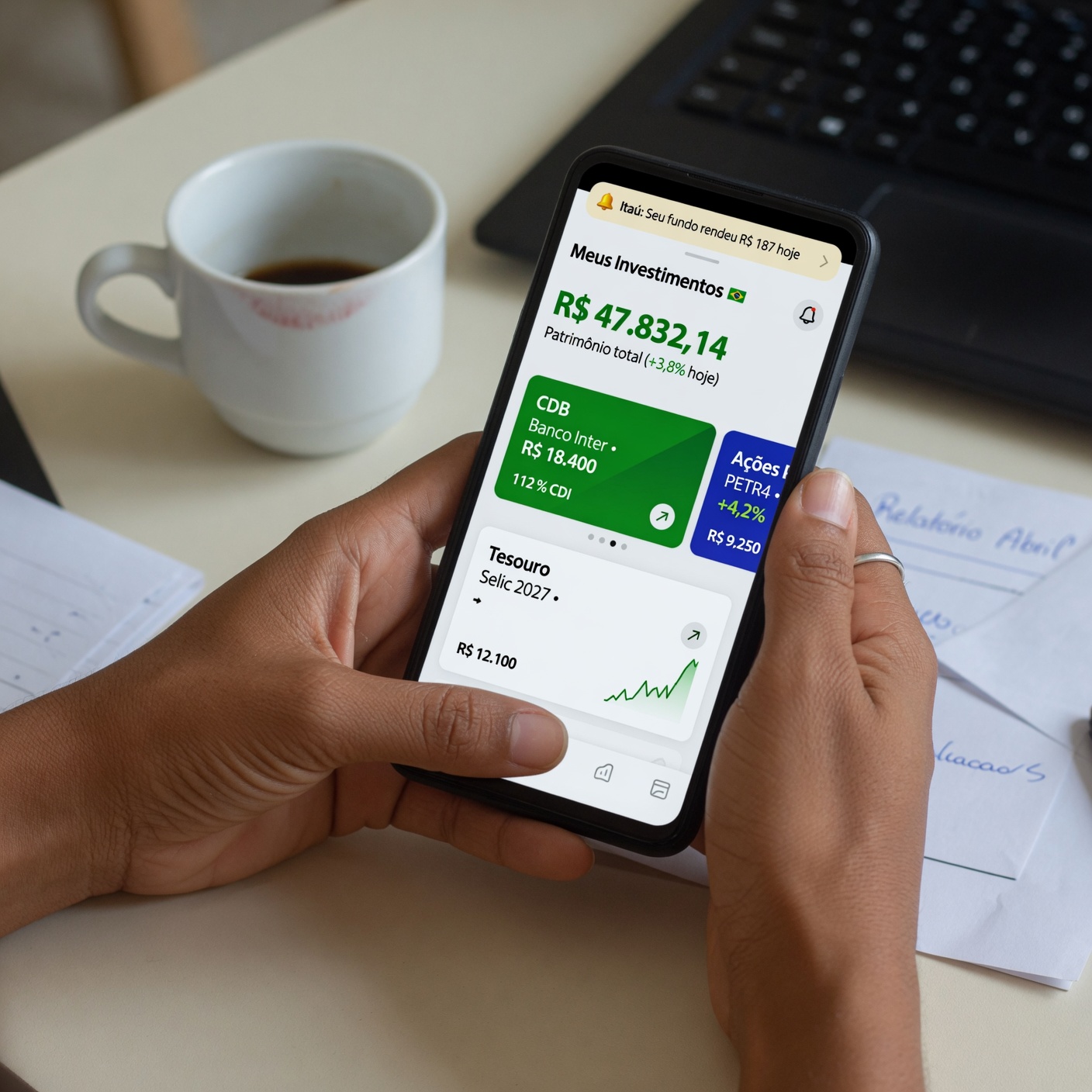
It is vital to understand the philosophy behind your actions. Investing is the act of buying assets—such as stocks, bonds, or real estate—and holding them for a long period to participate in their growth. Trading, by contrast, is the act of buying and selling frequently, often attempting to profit from short-term price fluctuations.
For the vast majority of people, long-term investing is the path to wealth. Trading is often a zero-sum game where you are competing against institutional algorithms, high-frequency traders, and professional money managers with vast resources.
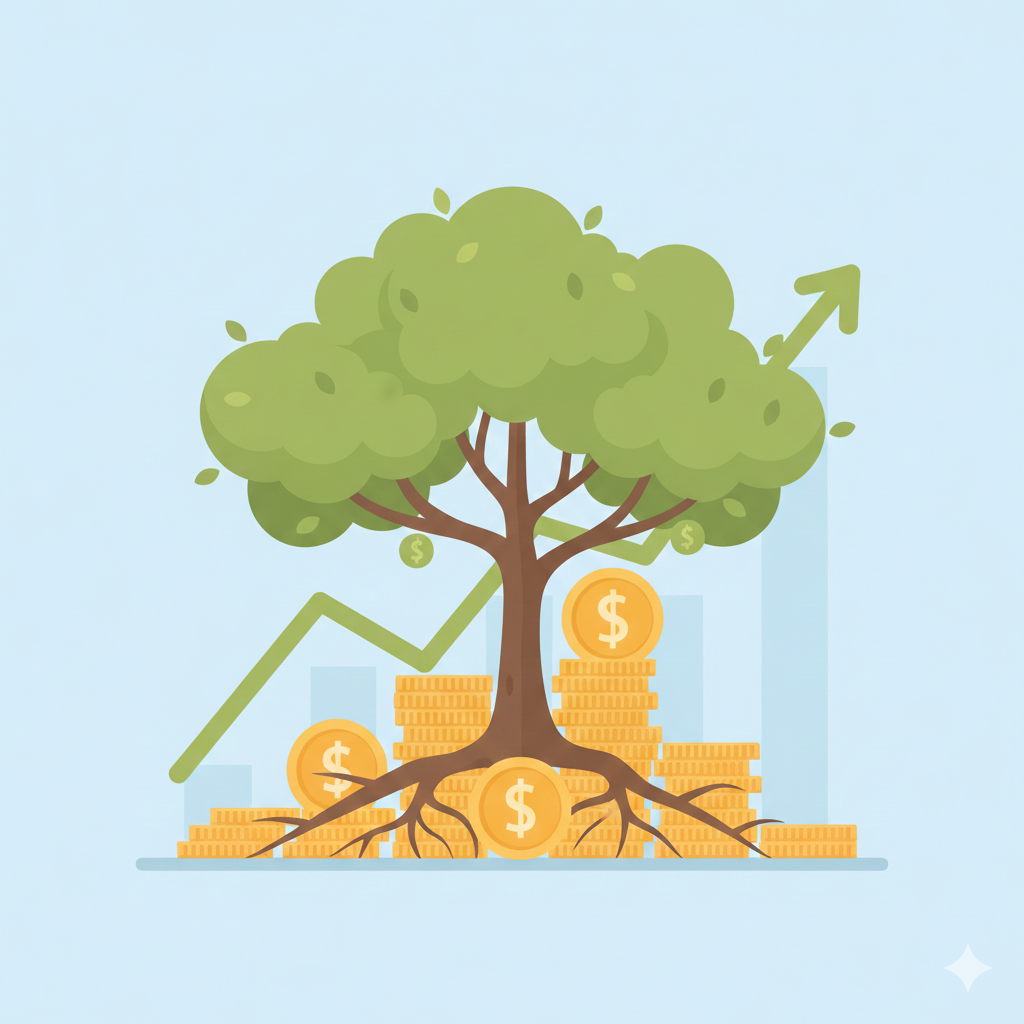
Before you start, commit to being an investor. Focus on the long game. The “get rich quick” stories you see on social media are the exception, not the rule. Real wealth is almost always built slowly, through the patient accumulation of assets and the power of compound interest.
Choosing the Right Investment Account Structure
The account you choose to invest in can be just as important as the investments themselves. Taxes play a major role in your long-term returns, and utilizing the right tax-advantaged accounts can save you thousands of dollars over your lifetime.
-
Employer-Sponsored Plans (e.g., 401k): If your employer offers a match, this is essentially free money. Always prioritize contributing enough to get the full employer match before investing elsewhere.
-
Individual Retirement Accounts (IRAs): These accounts offer tax advantages that can help your money grow faster. A Roth IRA allows your investments to grow tax-free, meaning you won’t pay taxes when you withdraw the money in retirement. A Traditional IRA may offer a tax deduction now, though you will pay taxes upon withdrawal.
-
Taxable Brokerage Accounts: These are flexible accounts with no withdrawal restrictions, but they do not offer the same tax advantages as retirement accounts. They are excellent for saving for goals that you intend to reach before retirement age.
Do some research on which account type fits your current life stage and financial goals.
Educating Yourself on Basic Financial Literacy
You don’t need to be a Wall Street analyst or a math genius to be a successful investor, but you do need to understand the basics. Take the time to learn about key concepts such as:
-
Compound Interest: The engine of wealth creation where your returns generate their own returns.
-
Asset Allocation: How you divide your money among different types of investments (stocks, bonds, cash).
-
Diversification: The practice of spreading your investments across many different companies and industries to reduce risk.
-
Expense Ratios: The fees that funds charge you. High fees can eat away at your returns significantly over time, so look for low-cost, broad-market index funds.
-
Dollar-Cost Averaging: The practice of investing a fixed amount of money at regular intervals, which helps you avoid the stress of trying to time the market.
Knowledge is your best defense against bad financial advice and investment scams. When you understand the “why” behind your strategy, you are less likely to be swayed by market noise or panic.
Automating Your Financial Life
The biggest enemy of a successful investor is human error and procrastination. We are naturally prone to spending money on impulse or forgetting to transfer funds to our investment accounts.
The secret to success is automation. Once you have established your emergency fund and your budget, set up automatic transfers from your paycheck or checking account directly into your investment account. When your money is invested before you even see it in your checking account, you learn to live on what remains. This is the most effective way to ensure consistency.
Automation takes the emotion out of investing. You don’t have to decide whether or not to invest in a given month; the system does it for you. This allows you to “set it and forget it,” which is often the most successful strategy for individual investors.
Ignoring the Market Noise
We live in an era of information overload. 24-hour financial news cycles, Twitter (X) threads, and sensationalist blog posts are designed to capture your attention, not to help you grow your wealth.
If you are a long-term investor, the daily headlines about inflation data, geopolitical tensions, or celebrity CEO news are largely irrelevant to your strategy. If you constantly react to every news story, you will likely engage in “over-trading,” which incurs fees and tax consequences while likely lowering your long-term returns.
Before your first investment, make a commitment to tune out the noise. Focus on your long-term plan, check your portfolio only occasionally (or even just annually for rebalancing), and resist the urge to tinker with your strategy based on current events.
Understanding the Power of Consistency

If you take only one thing away from this guide, let it be this: consistency is the most important factor in your investment success. You do not need to start with a large sum of money. Even if you start with $100 or $500, the act of starting is what builds the habit.
The greatest investors in history did not succeed because they made one lucky bet. They succeeded because they invested consistently over many decades, allowed their money to compound, and stayed the course through market crashes, recessions, and global uncertainties.
Your journey to wealth is not a sprint. It is a long, steady walk. By following these steps—building an emergency fund, managing your debt, mastering your budget, setting clear goals, and educating yourself—you are doing more than just making your first investment. You are building a framework for financial freedom.
Take a deep breath. You have done the preparation. You are ready to start.
Frequently Asked Questions
How much money do I need to start investing?
In today’s financial climate, you can start with very little. Many modern brokerage platforms allow you to open an account with $0 or a very low minimum deposit. Because of the existence of fractional shares, you can buy pieces of expensive stocks or ETFs with as little as $1 to $5. The most important thing is not how much you start with, but that you start.
Is it better to invest in stocks or bonds?
The “right” mix depends on your age, your goals, and your risk tolerance. Generally, stocks provide higher growth potential but come with more volatility. Bonds are generally more stable and provide income, acting as a cushion. A diversified portfolio often contains both, balanced to suit your specific financial situation.
What is the best way to choose a stock?
For most individual investors, picking individual stocks is not the best strategy. It requires significant research, time, and nerves of steel. Instead, most investors are better served by broad-market index funds or ETFs. These funds own hundreds or thousands of stocks, providing instant diversification and lowering your risk compared to betting on a single company.
How do I handle the fear of losing money?
The fear of loss is natural. The best way to combat it is through education and time. When you understand that market downturns are a normal part of the economic cycle, they become less scary. By having a long-term time horizon—meaning you don’t need the money for at least 5 to 10 years—you give yourself the luxury of time to wait for the market to recover.
Should I wait for a market crash to start investing?
Trying to time the market is a losing game. Nobody knows when a crash will happen, or when the market has hit its bottom. If you wait for the “perfect time,” you might miss out on years of growth. The best time to start is when you have your financial foundation (emergency fund and budget) in place, regardless of what the market is doing today.
Considering everything we have discussed regarding the importance of preparing your financial foundation, which of these steps do you feel is the most challenging for you to implement in your current situation?