How to Budget for a World Cup Trip
Discover the main expenses involved in attending a World Cup event

The FIFA World Cup is more than just a series of soccer matches; for many, it is a once-in-a-lifetime experience. The electric atmosphere, the global camaraderie, and the spectacle of the world’s most popular sport make it a bucket-list event. However, the excitement of planning a trip of this magnitude can easily overshadow the reality of the costs involved. From soaring airfare and limited accommodation to the fluctuating prices of match tickets, a World Cup journey requires a level of financial preparation far beyond your typical vacation.
To ensure your dream trip doesn’t turn into a financial nightmare, you need a structured, disciplined, and realistic budgeting strategy. Whether you are planning for the next tournament or a future one, this guide will walk you through the essential pillars of building a comprehensive World Cup travel budget.
Establishing Your Total Financial Goal
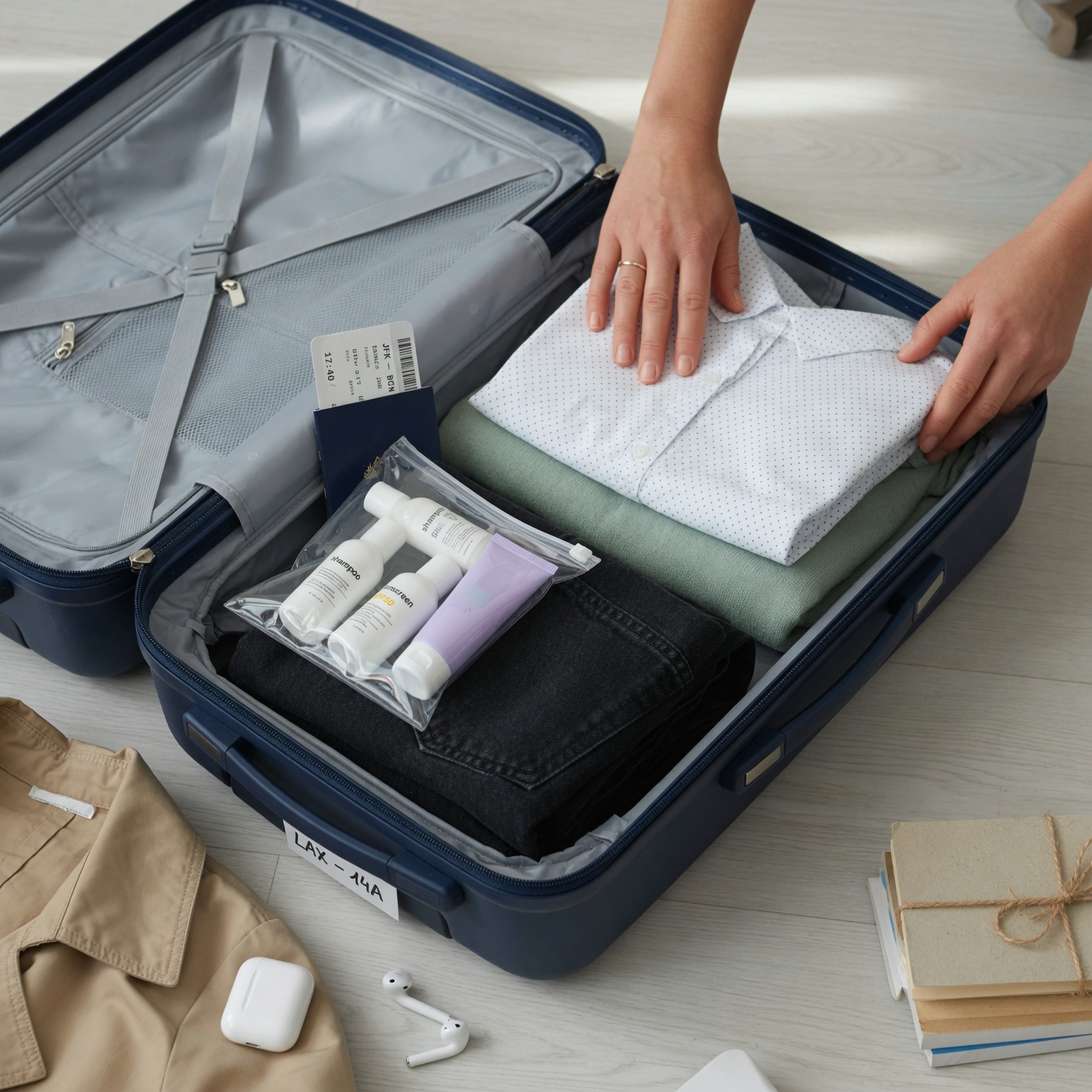
Before you start booking flights or looking for hotels, you must first define your total financial requirements. A “back of the envelope” calculation is not enough. You need to perform a bottom-up analysis of what this trip will cost.
Start by creating a master spreadsheet or using a dedicated budgeting app. Break your expenses into two distinct categories: “Fixed Costs” and “Variable Costs.” Fixed costs include items you can determine with high accuracy well in advance, such as flights, match tickets, and insurance. Variable costs include food, local transportation, entertainment, and incidentals.
Once you have an estimated total, add a 15% to 20% “contingency buffer.” International events are notorious for price surges and unexpected logistical expenses. Having this buffer is not just a safety net; it is a vital part of your financial health, ensuring you do not return home from your trip in debt.
The Big Four: Flights, Tickets, Accommodation, and Transport
These four categories will consume the vast majority of your budget. Managing them correctly is the difference between a seamless experience and a stressful one.
1. Match Tickets
Tickets are the foundation of your trip. Without them, you are just a tourist, not a fan. FIFA ticket prices are generally tiered, but secondary markets can be wildly expensive. Budget for the highest tier of the matches you intend to see, and be prepared for the reality that you may not get your first choice in the official lottery. If you are relying on the secondary market (though official channels are safer), your budget must account for a significant premium.
2. International Airfare
Airfare to a World Cup host nation often spikes to record highs. Monitor flight prices months in advance using price-tracking tools. Consider flying into secondary airports or neighboring cities and taking a train or bus to your destination, which can sometimes save hundreds of dollars.
3. Accommodation Strategy
This is often the most significant challenge. During the World Cup, hotels in the host cities are frequently booked out or priced at exorbitant rates. Look for alternative accommodations like apartment rentals, guesthouses, or even fan zones if available. If you are traveling with a group, renting a full apartment can significantly reduce the per-person cost. Always prioritize locations with good public transit links to the stadiums, as ride-sharing costs will be astronomical during match days.
4. Local Transportation
You will be moving through cities filled with thousands of other fans. Relying on taxis or private cars is not only expensive but often impractical due to traffic congestion and road closures. Research the public transportation network—trains, metros, and buses—and budget for transit passes, which are almost always more cost-effective than buying single tickets.
Managing Daily Living Expenses While Abroad
Once the big-ticket items are paid for, you must ensure you have enough liquidity for day-to-day survival. Daily living expenses can quietly eat away at your remaining funds if not tracked properly.
Food and Drink
Eating out three times a day at tourist-centric spots near stadiums will decimate your budget. Balance your meals. Look for local markets, grocery stores, and street food. Not only is this a more authentic way to experience the local culture, but it is also a significantly cheaper way to maintain your energy levels during a busy tournament schedule.
Entertainment and Sightseeing
While the matches are the main event, you will have downtime. Create a “fun fund” specifically for non-soccer activities—museums, city tours, or local experiences. Having a set amount for this category prevents you from dipping into your essential funds when you see an exciting opportunity.
Contingency for Incidental Costs
Small, unexpected costs add up quickly. Think about laundry services, tips for service staff, purchasing a local SIM card, or even having to buy a poncho because of unexpected weather. Allocate a specific daily amount for these miscellaneous items, and treat it as a “use it or lose it” fund.
The Hidden Costs of International Travel
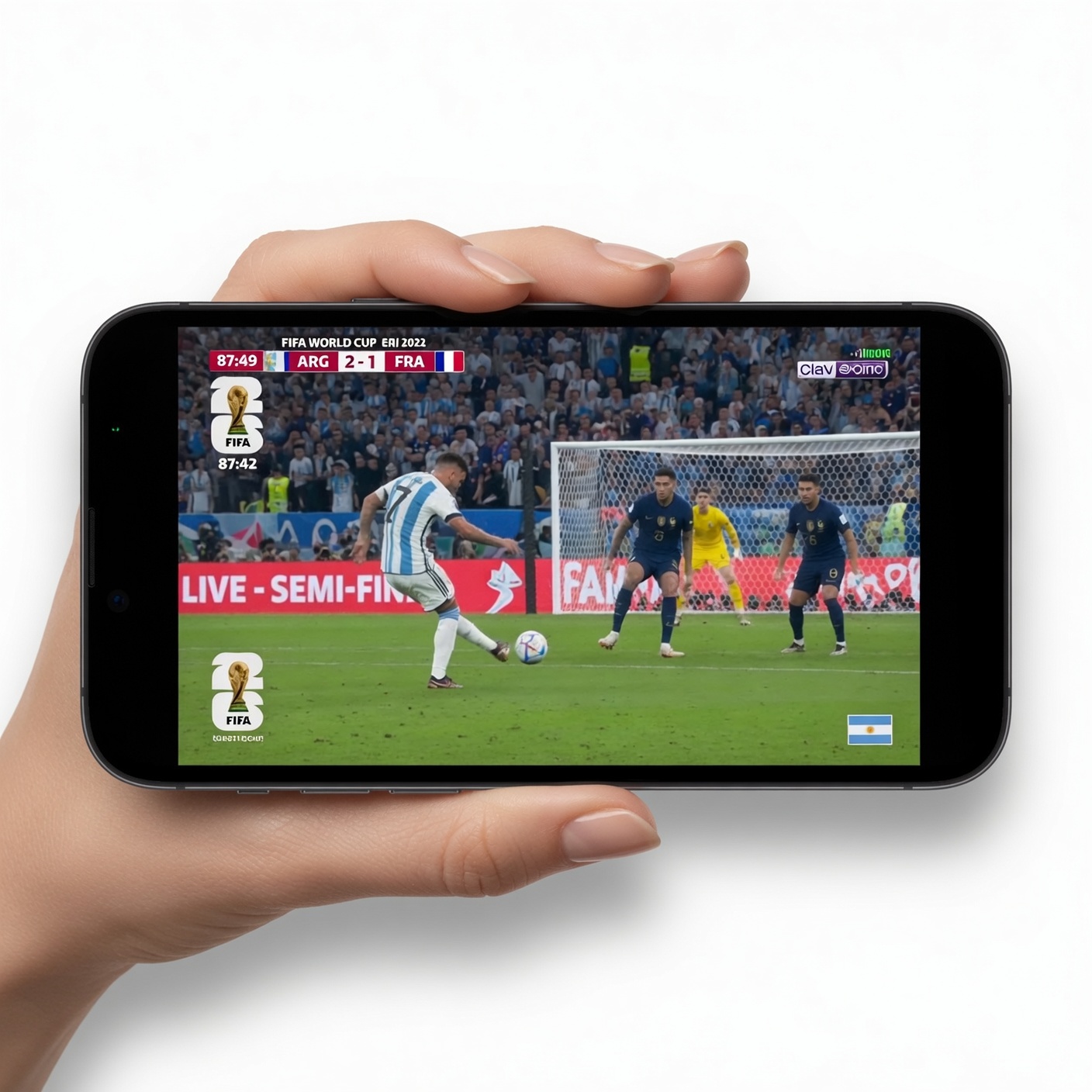
New travelers often overlook the “invisible” costs of international trips. These are not necessarily part of the soccer experience, but they are mandatory for a safe and legal journey.
Travel Insurance
Never travel to a major international event without comprehensive travel insurance. This should cover medical emergencies, trip cancellation, and lost or stolen luggage. Given the high cost of the trip, the premium for good insurance is a small price to pay for peace of mind.
Visa and Documentation Fees
Depending on your citizenship and the host country’s requirements, you may need a visa or a special fan ID (such as the Hayya card or Fan ID used in previous tournaments). These often carry application fees. Check the requirements early and include these in your fixed cost spreadsheet.
Transaction and FX Fees
If you use your standard bank debit card at an ATM or a point-of-sale terminal abroad, you might be hit with foreign transaction fees and unfavorable exchange rates. Open a travel-friendly bank account that offers no-fee foreign transactions or use a dedicated travel credit card. This simple financial preparation can save you 3% to 5% on every purchase you make during the trip.
Strategies to Save and Build Your World Cup Fund
Saving for a trip of this magnitude requires a shift in your spending habits. It is not just about cutting expenses; it is about intentional saving.
Automate Your Savings
Treat your World Cup fund as a monthly “bill.” Set up an automatic transfer from your checking account to a dedicated high-yield savings account the moment you get paid. By automating this, you remove the temptation to spend the money elsewhere.
The “Salami Slice” Method
Break down your total savings goal by the number of months you have until the event. If you need $10,000 in 20 months, that is $500 a month. Once you see the monthly breakdown, it becomes much easier to identify areas in your current life where you can reduce spending. Perhaps it is cutting down on dining out, canceling unused subscriptions, or adjusting your grocery shopping habits.
High-Yield Savings Accounts
Do not keep your trip savings in a standard checking account. Place your funds in a high-yield savings account (HYSA). While the interest rates fluctuate, even a modest return on your savings adds up over a year or two. It keeps your money safe, accessible, and earning while you plan.
Currency Fluctuations and Financial Preparation
When traveling abroad, you are not just managing your money; you are managing exposure to currency fluctuations. If the currency of the host nation strengthens against your home currency between the time you book and the time you arrive, your trip will effectively become more expensive.
Lock in Costs Early
Whenever possible, pay for your big-ticket items—flights, hotels, and event tickets—in your home currency if given the option, or pay for them well in advance to lock in the price. If you wait until you arrive to pay for services, you are vulnerable to the current exchange rate.
Carry Multiple Payment Methods
Never rely on a single card. Cards can be blocked, stolen, or damaged. Carry at least two credit cards (ideally from different networks, like Visa and Mastercard) and an ATM debit card. Keep them in separate locations. It is also wise to have a small amount of cash in the local currency for emergency situations where card terminals might be down.
Creating a Buffer: The Emergency Fund

Even with the best planning, life happens. You might get sick, miss a connecting flight, or face a medical emergency. Your World Cup budget should absolutely include a separate “emergency” fund that you hope to bring home with you.
This fund should be equivalent to at least 10% to 15% of your total budget. Do not count this as “spending money.” Keep it in a separate account or a distinct credit card with a high limit. This is not for buying souvenirs; it is for getting you home safely if the worst happens. Knowing you have this safety net will allow you to relax and enjoy the matches rather than worrying about the “what-ifs.”
Booking Strategies: When to Buy and How to Save
Timing is the final piece of the budgeting puzzle. There is a delicate balance between booking too early and too late.
The “Sweet Spot” for Flights
Airlines utilize complex algorithms to price tickets. For international travel, booking too far in advance can be expensive, but waiting until the last minute is a financial disaster. Generally, the window of 3 to 6 months before departure is often the “sweet spot” for international flights. Use price alerts on travel aggregator sites to track these trends for your specific route.
Package Deals vs. DIY
Sometimes, booking a pre-arranged fan package can be cheaper than booking flights and hotels separately, especially when demand is high and inventory is low. Compare the cost of a package deal against the cost of booking everything individually. Be careful, however—check the fine print on packages to ensure the hotels and transport are legitimate and close to the match venues.
Group Travel Dynamics
If you are traveling with friends, discuss the budget before a single dollar is spent. Agree on a “budget tier”—are you staying in 4-star hotels or hostels? Are you flying economy or premium? Misaligned expectations in a group are the fastest way to ruin a trip and strain friendships. Create a shared expense tracker to ensure everyone pays their fair share and to avoid the awkwardness of money discussions during the trip.
Preparing for the Return Home
A common mistake is to spend every last dollar you have on the trip, forgetting that you still have bills to pay when you get home. Your budget should account for your expenses for the month after you return. Do not drain your main savings account to fund the trip.
Ensure your rent, utility bills, and other essential payments for the month of your return are covered before you leave. There is nothing worse than returning from a spectacular experience to find late fees and penalties on your accounts at home.
Discipline is the Key to Enjoyment
Attending the World Cup is an exhilarating experience that creates memories for a lifetime. However, the true enjoyment of the event is only possible if you are not plagued by financial anxiety while you are there.
By taking the time to thoroughly research costs, automating your savings, creating a buffer for the unexpected, and preparing your banking logistics in advance, you can focus on what truly matters: the roar of the stadium, the skill of the players, and the unique energy of a global event. Financial planning for travel is not about restricting your fun; it is about creating the freedom to experience the world without the burden of financial stress. Start your planning today, stay disciplined with your budget, and you will ensure your World Cup trip is a success from start to finish.