How to choose the best motorcycle insurance policy
Learn how to choose motorcycle insurance based on your profile and needs
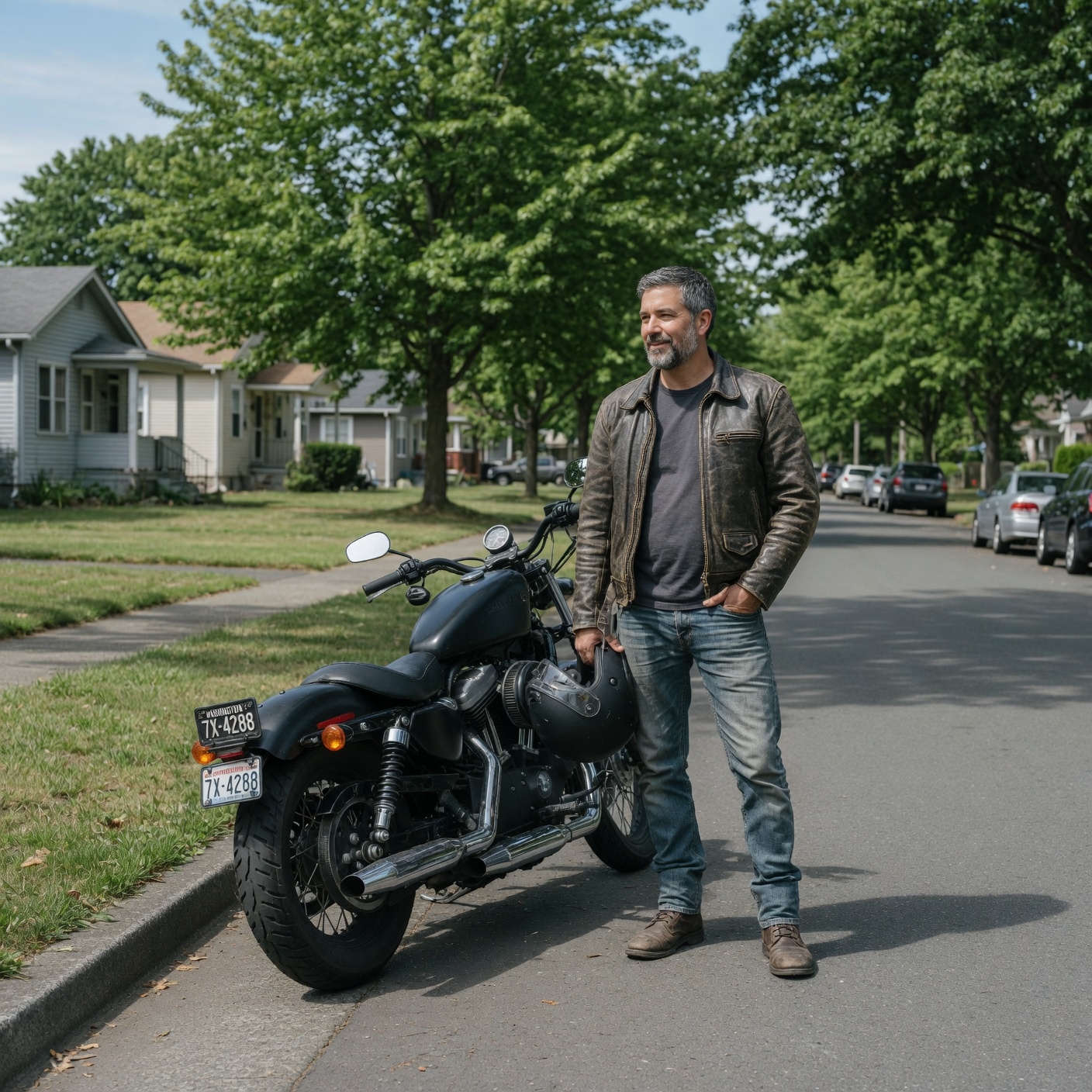
Choosing the right motorcycle insurance policy is about much more than simply ticking a legal box to get your license plate. For true riders, a motorcycle represents freedom, a daily commute, or a prized passion. However, navigating the complex landscape of premiums, deductibles, and coverage limits can feel like riding through a dense fog.
To protect your investment, your finances, and your physical well-being, you need a policy tailored specifically to your riding habits, your bike’s value, and your personal risk tolerance. This comprehensive guide breaks down everything you need to know to make an informed, highly strategic decision when selecting motorcycle insurance.
Understanding Motorcycle Insurance Coverage Types and Why They Matter
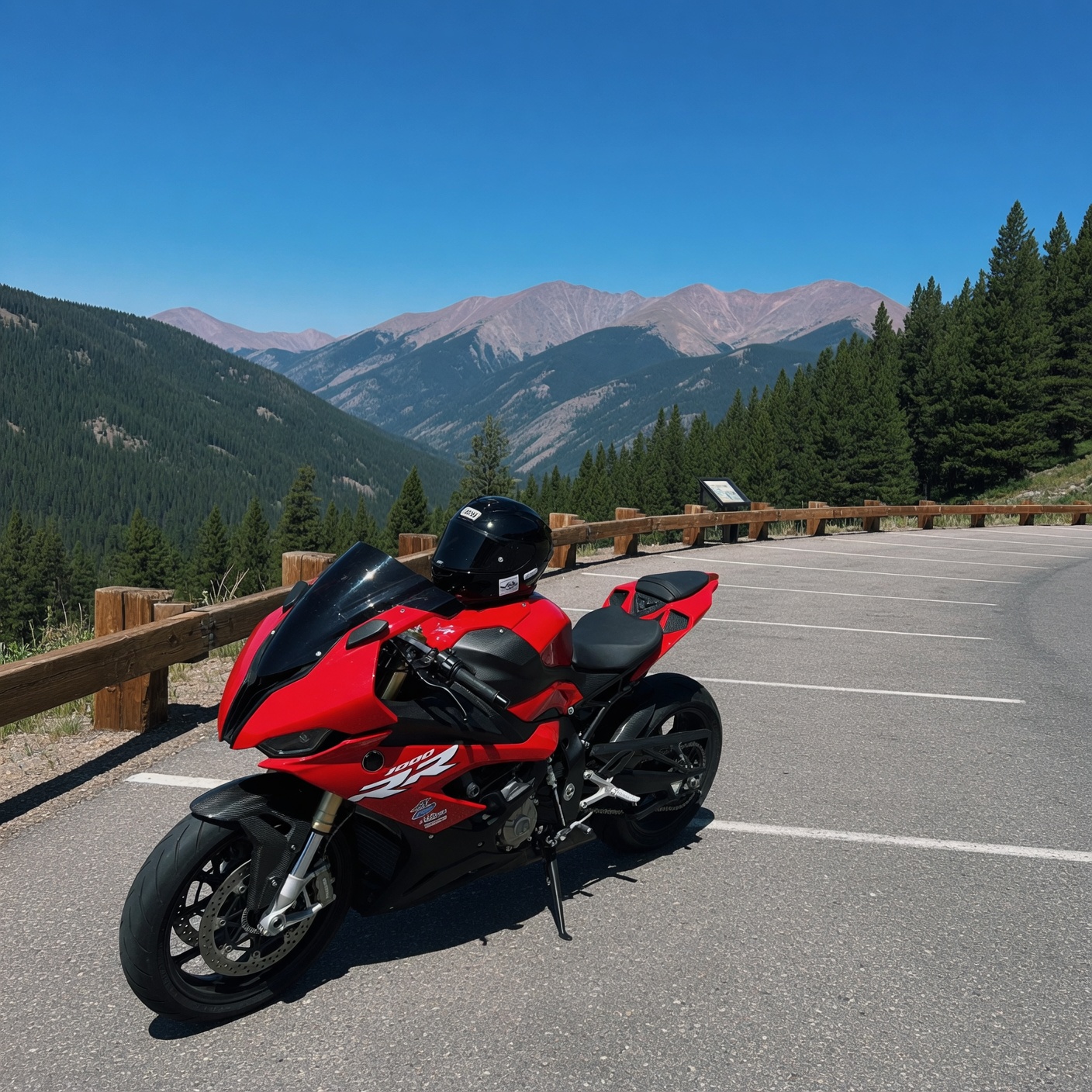
Before comparing quotes, you must understand the building blocks of a motorcycle insurance policy. Each type of coverage serves a distinct purpose, and relying solely on the bare minimum required by law could leave you facing catastrophic financial losses.
Liability Coverage (BI/PD)
This is the foundational layer of almost every policy and is legally mandated in most areas. It is split into two primary components:
-
Bodily Injury Liability: Pays for medical bills, lost wages, and legal fees of other people injured in an accident where you are at fault. It does not cover your own medical bills.
-
Property Damage Liability: Covers the cost of repairing or replacing other people’s property (such as their car, fence, or storefront) damaged in an accident you caused.
Collision Coverage
No matter how skilled of a rider you are, accidents happen. Collision coverage pays to repair or replace your motorcycle if it is damaged in a crash with another vehicle, a guardrail, a tree, or even if you experience a single-bike rollover. This coverage is typically subject to a deductible—the amount you pay out of pocket before the insurance company covers the rest.
Comprehensive Coverage
Your motorcycle faces risks even when it is parked safely in your garage or outside a diner. Comprehensive insurance covers damage caused by non-collision events. This includes:
-
Theft: Motorcycles are highly targeted by thieves due to their portability.
-
Vandalism: Malicious damage or tampering.
-
Natural Disasters: Hail, windstorms, floods, or wildfires.
-
Animal Strikes: Hitting a deer or other wildlife on rural roads.
Uninsured/Underinsured Motorist Coverage (UM/UIM)
Statistically, a significant percentage of drivers on the road operate vehicles with zero insurance or carries only the bare legal minimums. If an uninsured driver hits you, or if you are the victim of a hit-and-run, UM/UIM coverage steps in to pay for your medical expenses, lost income, and bike repairs. For motorcyclists, who are highly vulnerable to severe injuries in collisions, this coverage is arguably the most critical add-on you can buy.
Medical Payments (MedPay)
Regardless of who caused the accident, MedPay covers medical expenses for you and any passenger riding on your bike. This can include ambulance rides, emergency room fees, surgery, and follow-up physical therapy. It acts as an immediate financial cushion before health insurance or legal settlements come into play.
Factors That Impact Your Motorcycle Insurance Premiums
Insurance companies use sophisticated mathematical algorithms to calculate risk. By understanding the key variables that determine your premium, you can identify areas where you can actively lower your costs.
| Risk Factor | How It Affects Your Premium |
| Engine Displacement (cc) | Larger, high-performance engines generally carry higher premiums due to the increased risk of high-speed accidents and higher repair costs. |
| Type of Motorcycle | Sport bikes and superbikes cost significantly more to insure than cruisers, touring bikes, or standard commuter motorcycles. |
| Rider Age & Experience | Young, inexperienced riders face the highest rates. Statistically, riders with formal safety training and years of clean riding history enjoy lower premiums. |
| Location & Storage | Living in an urban area with high theft rates increases your premium. Storing your bike in a locked garage can earn you a discount. |
| Riding History & Credit Score | A clean driving record free of speeding tickets and accidents is crucial. In many jurisdictions, a solid credit history also helps secure lower rates. |
How to Determine the Exact Amount of Coverage You Actually Need
There is no one-size-fits-all insurance policy. To find the sweet spot between robust protection and affordable premiums, you must evaluate your individual circumstances using several key parameters.
Assessing the Value of Your Bike
If you ride an older, high-mileage motorcycle worth less than $3,000, paying for high-tier collision and comprehensive coverage might not make financial sense. Over a few years, the premiums and deductibles could easily exceed the actual cash value (ACV) of the bike. Conversely, if you own a brand-new touring bike or a rare custom chopper, comprehensive and collision coverage are absolute necessities.
Evaluating Personal Asset Protection
If you are at fault in an accident and your liability limits are too low to cover the victim’s medical bills, injured parties can pursue your personal assets—such as your savings, home, or future wages. If you have significant personal wealth, you should opt for high liability limits (e.g., 100/300/50, representing $100,000 per person bodily injury, $300,000 per accident bodily injury, and $50,000 property damage) or consider an umbrella policy.
Checking Existing Health Insurance
Analyze your primary health insurance policy. Does it cover motorcycle-related injuries? Are the deductibles and co-pays incredibly high? If your health insurance has gaps, or if you do not have disability insurance to cover lost wages while recovering, you should maximize your MedPay and PIP (Personal Injury Protection) limits on your motorcycle policy.
Specialized Add-Ons and Endorsements Worth Considering

Standard policies cover the basics, but motorcycles often require specialized protection due to their unique nature and the lifestyle associated with riding.
Custom Parts and Equipment (CPE)
Most standard comprehensive and collision policies only cover the motorcycle as it was configured when it left the factory. If you have added aftermarket exhausts, custom paint jobs, saddlebags, chrome accents, or upgraded suspension, these items will not be replaced in a claim unless you have a CPE endorsement. Many insurers include a basic amount (e.g., $1,000) of CPE coverage automatically, but heavy customizers will need to purchase additional limits.
Roadside Assistance and Towing
A breakdown on a highway is stressful in a car, but it can be downright dangerous on a motorcycle. Standard car towing services often lack the specialized flatbed trailers and tie-down straps required to safely transport a motorcycle without damaging its forks or fairings. Dedicated motorcycle roadside assistance ensures that a provider equipped with the proper gear is dispatched to tow your bike, deliver fuel, or jump-start your battery.
OEM Parts Guarantee
If your motorcycle is damaged in an accident, insurance adjusters often write estimates using aftermarket or salvage parts to save money. If you want to ensure that only brand-new, Original Equipment Manufacturer (OEM) parts from your bike’s builder are used in the repairs, you need to add an OEM parts endorsement to your policy.
Step-by-Step Guide to Comparing Motorcycle Insurance Quotes
To secure the best possible deal without sacrificing crucial coverage, you must approach the shopping process systematically. Follow this step-by-step roadmap to compare policies effectively.
Step 1: Gather Your Information
Before contacting insurers or using online comparison tools, have the following details ready:
-
Your motorcycle’s Vehicle Identification Number (VIN), make, model, year, and engine size.
-
Details of any modifications, custom paint, or aftermarket accessories.
-
Your driver’s license number and riding history (including dates of any past violations or accidents).
-
Certificates from any motorcycle safety courses you have completed.
Step 2: Establish Consistent Coverage Baselines
When comparing quotes from different companies, ensure you are comparing apples to apples. If Company A quotes you with $25,000/$50,000 liability limits and a $1,000 deductible, do not compare it directly to Company B’s quote with $100,000/$300,000 limits and a $250 deductible. Use the exact same coverage limits, deductibles, and add-ons across all quote requests.
Step 3: Analyze the Deductible vs. Premium Relationship
The deductible is the amount you pay out of pocket before your insurance coverage kicks in. Choosing a higher deductible (e.g., raising it from $250 to $1,000) will lower your monthly or annual premium because you are assuming more of the immediate financial risk.
However, you must ensure that you actually have that deductible amount sitting in a savings account, readily accessible, in the event you need to file a sudden claim.
Step 4: Research Insurer Financial Strength and Reputation
A cheap premium means very little if the insurance company stalls, disputes, or denies legitimate claims when you need them most. Check independent rating agencies (such as A.M. Best) to verify the financial stability of the insurers you are considering. Additionally, read customer service reviews and claim-handling ratings on consumer advocacy websites to gauge how easy the company is to work with during a crisis.
Smart Strategies to Lower Your Motorcycle Insurance Premiums
You do not have to settle for the first high premium estimate you receive. There are several highly effective ways to lower your insurance costs without stripping away vital coverage layers.
Complete a Certified Motorcycle Safety Course
Many insurance providers offer discounts ranging from 5% to 15% to riders who successfully complete a certified safety course, such as those offered by the Motorcycle Safety Foundation (MSF). These courses teach defensive riding strategies, emergency braking, and obstacle avoidance. Not only does this save you money on your policy, but it also directly reduces your risk of being involved in an accident.
Bundle Your Policies
One of the easiest ways to secure a major discount is through “multi-policy bundling.” If you purchase your motorcycle insurance from the same company that insures your home, car, apartment, or business, you will typically receive a substantial discount across all of your active policies.
Install Security and Anti-Theft Devices
Because motorcycles are highly susceptible to theft, insurers reward proactive security measures. You can often earn discounts by installing:
-
GPS tracking systems that locate the bike if stolen.
-
High-quality disc locks or heavy-duty chain locks.
-
Audible alarm systems.
-
Datatool or other security tagging systems.
Maintain a Clean Driving Record
Your driving record is a direct reflection of your risk profile. Speeding tickets, reckless driving charges, and at-fault accidents—whether occurred in a car or on a motorcycle—will drive your insurance rates up significantly. Maintaining a clean record over a rolling three-to-five-year period is the single most effective way to keep your premiums at the lowest possible baseline.
Opt for Lay-Up or Seasonal Coverage
If you live in a region that experiences harsh winters, you likely store your motorcycle away for several months of the year. Some insurers offer “lay-up” policies.
During the winter months, your liability and collision coverages are temporarily suspended—saving you money—while your comprehensive coverage remains active to protect the bike against theft, fire, or garage damage while it is in winter storage.
Common Mistakes to Avoid When Choosing a Policy

Understanding what not to do is just as important as knowing what steps to take. Avoiding these common pitfalls will save you from major financial headaches down the road.
Undervalued Customizations
As mentioned previously, standard policies do not automatically account for thousands of dollars in custom upgrades. If you crash a highly customized bike and only have standard coverage, the insurer will write a check based on the value of a stock, factory-model bike, leaving you to absorb the loss of your custom investments. Keep all receipts and update your policy regularly as you add new modifications.
Assuming Car Insurance Covers Your Motorcycle
A common misconception among new riders is that their existing auto insurance policy extends some form of protection to their motorcycle. This is false. Motorcycles require entirely separate, dedicated policies designed specifically for the unique risks associated with two-wheeled transportation.
Choosing the Absolute Cheapest Policy
While staying within a budget is important, choosing a policy based solely on the lowest price tag is a dangerous gamble. Cheap policies often feature extremely low liability limits, high deductibles, and zero coverage for medical payments, roadside emergencies, or gear replacement.
If you get into a serious accident, the out-of-pocket costs from an inadequate cheap policy will vastly outweigh the minor savings you enjoyed on your monthly premiums.
What to Do Before You Sign
Once you have selected the ideal provider and customized your coverage levels, take a few minutes to carefully review the policy document before making your first payment.
Verify that the vehicle details, including the VIN, are 100% accurate, as an error here can delay or complicate future claims. Double-check the policy start date to ensure there is no gap in coverage between your old policy (if applicable) and the new one.
Finally, save a digital copy of your insurance card on your smartphone, and print out a physical copy to keep in your motorcycle’s storage compartment or wallet. Armed with the right policy, you can hit the open road with complete peace of mind, knowing that you, your passenger, and your beloved motorcycle are fully protected against whatever lies ahead.